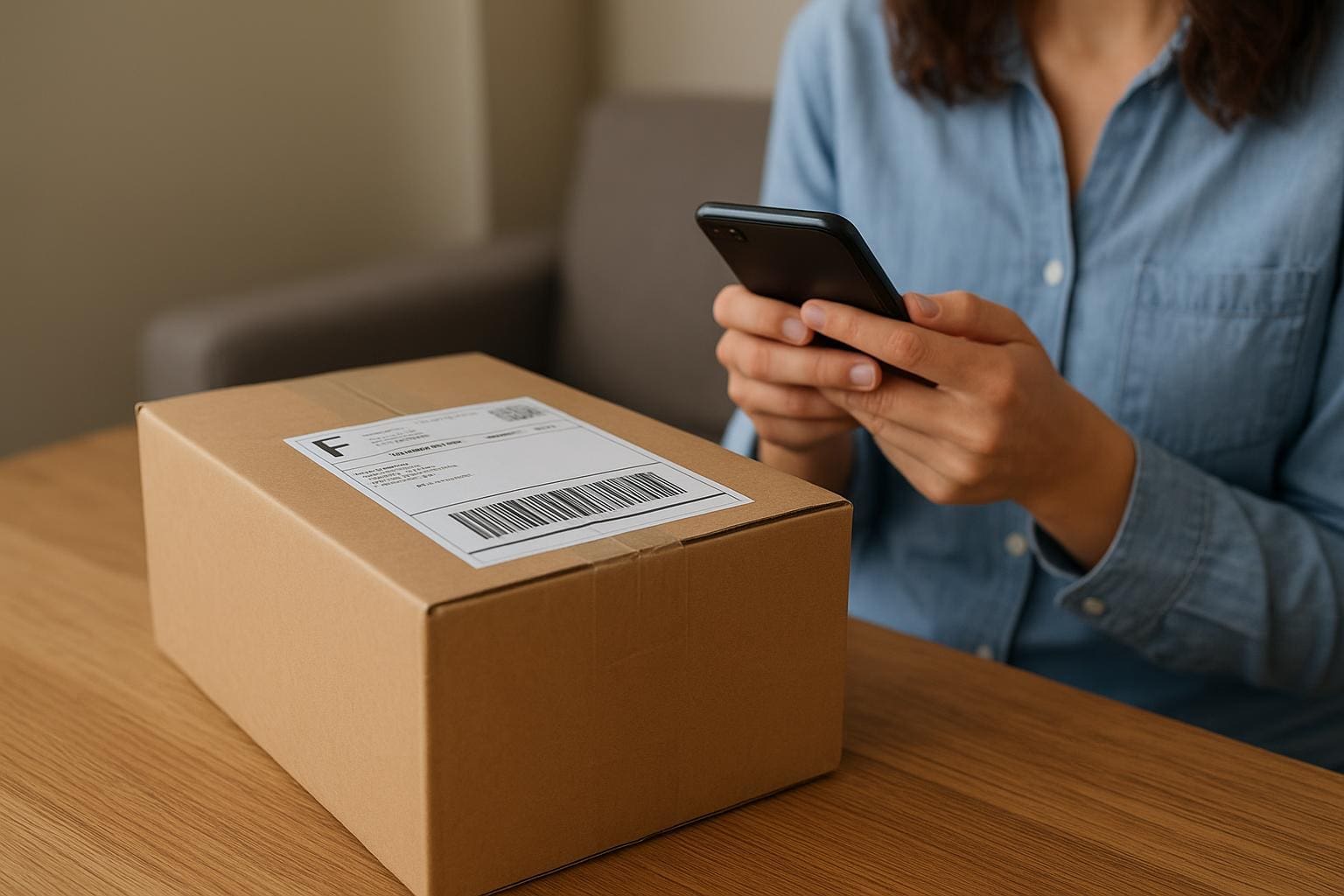
Start with the tracking number. No tracking number, no tracking, and no reassurance. If you ship anything through USPS or expect a delivery, the tracking number is the small string that makes the whole process visible. Treat it like a ticket number at the doctor’s office; keep it handy, and don’t trust screenshots that you can’t find again.
## USPS Package Tracking Guide: Tools And Tips
If you want clear, practical steps, this USPS package tracking guide does that without fluff. I’m going to show where to find tracking numbers, how to read what the updates actually mean, and what to do when the scan trail stops making sense. These are the things that save time: where to click, what words to look for, and when you should call someone.
### Where To Find Your Tracking Number
The tracking number is printed or emailed in a few predictable places:
– The printed receipt you get at the post office or when a carrier accepts a pickup.
– The seller’s shipping confirmation email or order page when you buy something online.
– The barcode label stuck to the package itself. If you’re shipping, take a photo before the box leaves your hands.
Tracking numbers come in several formats: 20–22 digits for Priority Mail, 12 digits for some services, and alphanumeric for others. If you don’t see it, check the order confirmation. If that’s missing, ask the sender for the number before the package ships. It cuts out a lot of guesswork.
### How To Use The USPS Website
Enter the number at tools.usps.com or on the main tracking page. Paste, don’t type. A stray character will send you in circles. The site shows a timeline of scans with locations and timestamps. If you have several numbers, use the bulk tracking feature to see them side by side.
The USPS site also offers delivery notifications and email alerts. Sign up if you’re waiting on something important. For sellers, the website gives you shipping history and proof of delivery you can download. That’s useful when you need to show a customer the exact time and place a package was delivered.
### Using The USPS Mobile App And Third-Party Services
The USPS mobile app does most of what the website does, but it’s quicker for push notifications. If you’re tracking many shipments, third-party apps can consolidate numbers from multiple carriers into one feed. That’s handy if you buy from several marketplaces and don’t want to hop between sites.
But be cautious: third-party services sometimes misread a status or misattribute a scan. When in doubt, cross-check with usps tracking on the official site. The official record is what matters for claims or disputes.
## Reading A Tracking Update
A lot of surprises come from misreading the timeline. People see “Arrived at Unit” and assume the package is out for delivery. Not always. Learn the terms and what they imply for timing.
### Common Statuses And What They Mean
Accepted At USPS Facility: The package was received and entered the system. It may still be days away from the destination.
Arrived At Unit: It’s at the local post office that will do the final delivery. This can mean a same-day delivery or it could sit overnight depending on routing and staffing.
Out For Delivery: The driver should have the package and intends to deliver today. If you see this late in the afternoon, it can still arrive by evening.
Delivered: The system shows where and when the carrier marked the package delivered. If it says delivered and you don’t have it, check porches, side gates, neighbors, or secure drop spots.
Unavailable, or No Scan Available: Sometimes a package moves without scans. This stretches patience, but the scans usually catch up within a day or two.
A lot of people see “In Transit To Next Facility” and panic. Don’t. It’s usually routine movement. The scans are less interesting than the pattern. If a package has been “In Transit” for an unusually long stretch, start asking questions.
#### Exception And Delayed Packages
Exceptions are the only status you should treat as an active problem. Examples: Address Not Found, Damaged In Transit, or Weather Delay. Each exception should come with a note. If it doesn’t, call your local post office and ask for the most recent scan. If the note says “Refused” and you didn’t refuse, that’s a red flag to pursue further.
If the scan trail shows nothing new for several days and the sender says it was properly mailed, file a missing mail request or open a claim when appropriate. The USPS has a Missing Mail Search feature that can be started online; it helps staff look for the item before you escalate to a claim.
## Fixing Problems: Lost Or Late Packages
You don’t need to wait around helplessly. There are concrete steps and the right sequence matters.
### First Steps When The Status Stops Making Sense
1. Double-check the tracking number. Typos are surprisingly common.
2. Confirm the delivery address with the sender. Wrong house, wrong city—these happen.
3. Ask neighbors and look around likely hiding spots. Many carriers leave packages in a spot they think is safe.
4. Call the local post office shown in the latest scan. They can open a local trace or check shipments in the back room.
5. If the item was insured or shipped as Priority Mail Express, file a claim. For uninsured domestic Priority Mail, you may need to coordinate the claim through the sender.
If the shipment was from a retailer, open a case with them. Retailers usually have a process that can be faster than filing a claim through USPS yourself. Keep screenshots of the tracking page and any relevant emails.
### Filing A Missing Mail Search Or Claim
Use the official forms on the USPS website. A Missing Mail Search is a request to physically look for the item. A claim is for reimbursement on insured packages. When you file anything, include:
– The tracking number
– The mailing date and method
– A description of contents and approximate value
– Proof of insurance or purchase if applicable
Expect back-and-forth. The process can be slow, but organized documentation speeds it up. If you file a claim, keep receipts and photos of the damaged item if that’s the issue.
## Tips To Make Tracking Reliable
Small changes in how you ship or receive make a big difference in how useful tracking is.
### Simple Shipping Habits That Help
– Always write the full address and include an apartment or unit number. No abbreviations alone.
– Use a clear return address. If delivery fails, that’s how it comes back.
– Take a photo of the label after you seal the box. If it peels off, you still have proof.
– Choose services with scans at delivery if you need confirmation, like signature-required options for high-value items.
Keep your tracking numbers in one place. I use a single note on my phone for active shipments. When tracking shows “Out For Delivery,” I don’t assume it will appear before dinner. I check windows cameras or move closer to the door if necessary.
### Privacy And Security Considerations
Tracking links in emails can be useful, but treat them cautiously. Scammers send fake tracking emails that mimic USPS branding and ask you to click dubious links. If an email asks for personal information or payment to release a package, it’s a scam.
Instead, copy the tracking number from the email and paste it into the official usps tracking page. That way you avoid malicious links. Also, don’t post tracking numbers publicly. They reveal delivery details and sometimes full names and addresses.
## What To Expect With International Shipments
International tracking is patchier. USPS hands the package off to the destination country’s postal service. The last complete scan might be the one leaving the U.S. or the one arriving in the other country. After that, the visibility depends on the partner postal system.
If you’re sending internationally, allow extra time and set expectations with the recipient. Use shipping methods with clearer international tracking, or pay for services that include end-to-end scans.
### When The Delivery Address Is Wrong Or Needs Updating
If you notice an address error right after shipping, contact the post office immediately. Depending on the timing, they may be able to intercept or redirect the package. There’s a fee for some services like USPS Package Intercept, and it only works under certain conditions, but it can save a lost shipment if you act quickly.
Acting fast is the recurring theme here. Once a package leaves the original facility, options narrow. If you’re a seller, you can often intercept or reroute before final scans. If you’re a buyer, push the sender to act on your behalf if you can’t.
## How Retailers And Sellers Should Use Tracking
Sellers need to use tracking as part of customer service, not just logistics. Send the number immediately after the item ships and keep updates coming if there’s a delay. If you get a tracking notice that’s confusing, contact USPS yourself and relay clear, sourced information to the buyer.
Above all, be proactive. Customers appreciate a quick note that an item is delayed and why, along with what you’re doing about it. That’s better than silence and a frustrated buyer opening a dispute.
Keep in mind that tracking isn’t just a number on a page. It’s the story of a package moving through a system. Read the story, check the timestamps, and use the right tool for the right moment. This usps package tracking guide is designed to make that story easier to follow and to point you toward sensible next steps when the trail goes cold.
The most common mistake is waiting too long to act. If you want to avoid that, store your numbers, monitor the scans, and don’t be shy about calling the post office when something looks off. You’ll save time and, often, money in the long run.
If you prefer the app route, install the official USPS app and enable push notifications. That puts delivery status on your lock screen rather than buried in email. And remember: when a seller or carrier says “delivered” but you don’t have the package, contact the seller and initiate a search immediately. A few minutes can make the difference between an easy retrieval and a long claim process.
This usps package tracking guide doesn’t promise perfect visibility. But it does give a clear, practical way to follow shipments end to end and to respond effectively when they don’t behave as expected. Treat tracking numbers like small tasks to manage, not mysteries to tolerate, and you’ll have fewer headaches.
If you ever recieve a scan that makes no sense, keep notes of who you talked to and when. Those small details matter when you escalate the issue. They make the difference between a missing package that’s found and one that becomes a permanent problem.