Lithium Battery Shipping Rules International Explained

lithium battery shipping rules international

Lithium cells and packs catch fire differently from most other cargo. Treating them like ordinary goods invites fines, delays, and the occasional airport emergency. Know the rules before you pack.

## Lithium Battery Shipping Rules International: What They Actually Require
When people talk about “lithium battery shipping rules international,” they usually mean a cluster of overlapping regulations: UN Model Regulations, ICAO Technical Instructions, IATA Dangerous Goods Regulations for air, IMDG Code for sea, ADR for road in Europe, and national implementations such as 49 CFR in the United States. Together they decide how batteries are classified, tested, packed, labeled, and documented.

### What Regulatory Systems Apply And Why It Matters
The UN Model Regulations set the baseline: lithium-ion batteries are UN3480 (cells/batteries alone) or UN3481 (packed with or installed in equipment). Lithium metal batteries are UN3090 and UN3091. From that baseline, ICAO/IATA translate specifics for air transport, and the IMDG Code covers sea. Countries then adopt or adapt those rules into national law.

This matters because airlines, ports, and customs check for compliance. Noncompliant shipments can be rejected, returned at your expense, or destroyed. In the worst cases, shippers face penalties or criminal charges.

### How Batteries Are Classified
Classification begins with chemistry and capacity.

– Lithium-ion vs lithium metal: different UN numbers and different treatment.
– Cells vs batteries vs battery packs: a cell is the basic electrochemical unit; batteries are multiple cells; packs include battery plus protective circuitry.
– Watt-hour (Wh) rating and lithium content: these thresholds determine which packing instructions and whether limits or approvals apply.

Getting classification wrong is the most common mistake I see. Test reports, spec sheets, and manufacturer declarations are your best friends here.

## The Hard Rule: UN38.3 Testing And Documentation
UN38.3 is the checkpoint. It’s a battery of tests (altitude simulation, thermal, vibration, shock, external short circuit, overcharge, forced discharge) that cells and batteries must pass before being offered for transport as dangerous goods.

### What You Need From Manufacturers
Ask for a UN38.3 test summary and a certificate. If you’re repackaging or building your own battery packs, keep test records for the cells used and any relevant electical protection validation. If the vendor can’t provide UN38.3 documentation, don’t ship through regulated channels.

#### When UN38.3 Doesn’t Apply
There are exceptions and limited quantity provisions, but relying on an exception without knowing the details is risky. Examples exist where a small consumer device shipped in limited quantity avoided a full dangerous goods declaration, but those scenarios are tightly defined.

## Air Transport: The Tightest Controls
Airlines are highly risk-averse. Fires at altitude are catastrophic, so ICAO/IATA rules are detailed and strictly enforced.

### Categories For Air
For air, lithium batteries are grouped by how they’re packed:
– Installed in equipment.
– Packed with equipment.
– Shipped alone (spare batteries).

Each has different packing instructions and labeling. Generally, batteries shipped alone face the strictest requirements.

### State Of Charge And Wh Limits
A critical practical rule: many air regulations limit the state of charge for lithium-ion batteries carried as cargo on passenger aircraft to 30 percent of their rated capacity. Also, batteries above 100 Wh but at or below 300 Wh may be allowed in equipment or as spares with airline approval; above 300 Wh is typically forbidden on passenger aircraft.

These numbers are where shippers get tripped up. If you manufacture a device with a 200 Wh pack and you expect to fly it in checked baggage or ship it by air without notifying the carrier, expect trouble.

### Documents And Labels For Air
Air shipments generally need a shipper’s declaration for dangerous goods unless they qualify for excepted quantity or limited quantity provisions. They also require specific labels: the Class 9 label, and for many air shipments, the lithium battery handling label that warns handlers not to load on passenger aircraft if restricted.

## Sea Transport: IMDG Rules And Stowage
Shipping large numbers of batteries by sea is common for manufacturers. The IMDG Code classifies lithium batteries as Class 9 dangerous goods, with specific packing groups and stowage provisions.

### Stowage And Segregation
On ships, batteries must be stowed in a way that limits risk of overheating and allows firefighting access. Some batteries are treated as marine pollutants and must be declared. For full container loads, carriers will want to see proper documentation and packaging that prevents movement and short circuits.

### When Sea Is Simpler
Sea transport allows larger quantities and heavier batteries with fewer of the state-of-charge constraints that aircraft impose. Still, don’t treat it as a free-for-all. The IMDG Code has mandatory marking, documentation, and training requirements. In practice, ocean carriers will ask for UN38.3 reports and packing declarations.

## Road And Rail: ADR, 49 CFR, And Local Rules
Road and rail tend to be less restrictive than air, but they are not lax. ADR in Europe requires proper classification, packaging, and limited quantity labels. In the U.S., the DOT enforces 49 CFR rules which incorporate many UN provisions.

### Practical Points For Ground Transport
If you prepare a pallet for road transport across borders, double-check that ADR or local requirements match what your carrier expects. Drivers need training, and some vehicles are restricted in mixed loads. Keep your paperwork handy—inspectors will ask for it.

## Packaging: How To Stop A Battery From Starting A Fire
Packaging is where theory meets reality. A battery that shifts in a carton and has terminals shorted is a fire waiting to happen.

### Packaging Basics
– Prevent movement: use cushioning so cells or packs can’t bang into each other.
– Insulate terminals: tape or terminal covers, or place each battery in individual pouches.
– Use strong outer packaging: boxes that withstand stacking without crushing contents.
– Avoid metal-to-metal contact inside the package.

Manufacturers sometimes provide tested packaging instructions. Use them. If you’re shipping many pieces, invest in tested, certified packaging rather than improvising.

## Labels, Markings, And Paperwork
Labels are not optional decorations. They inform handlers, pilots, and inspectors about risk and handling.

### Key Marks
– UN number and proper shipping name: UN3480, UN3481, UN3090, or UN3091 as applicable.
– Class 9 hazard label.
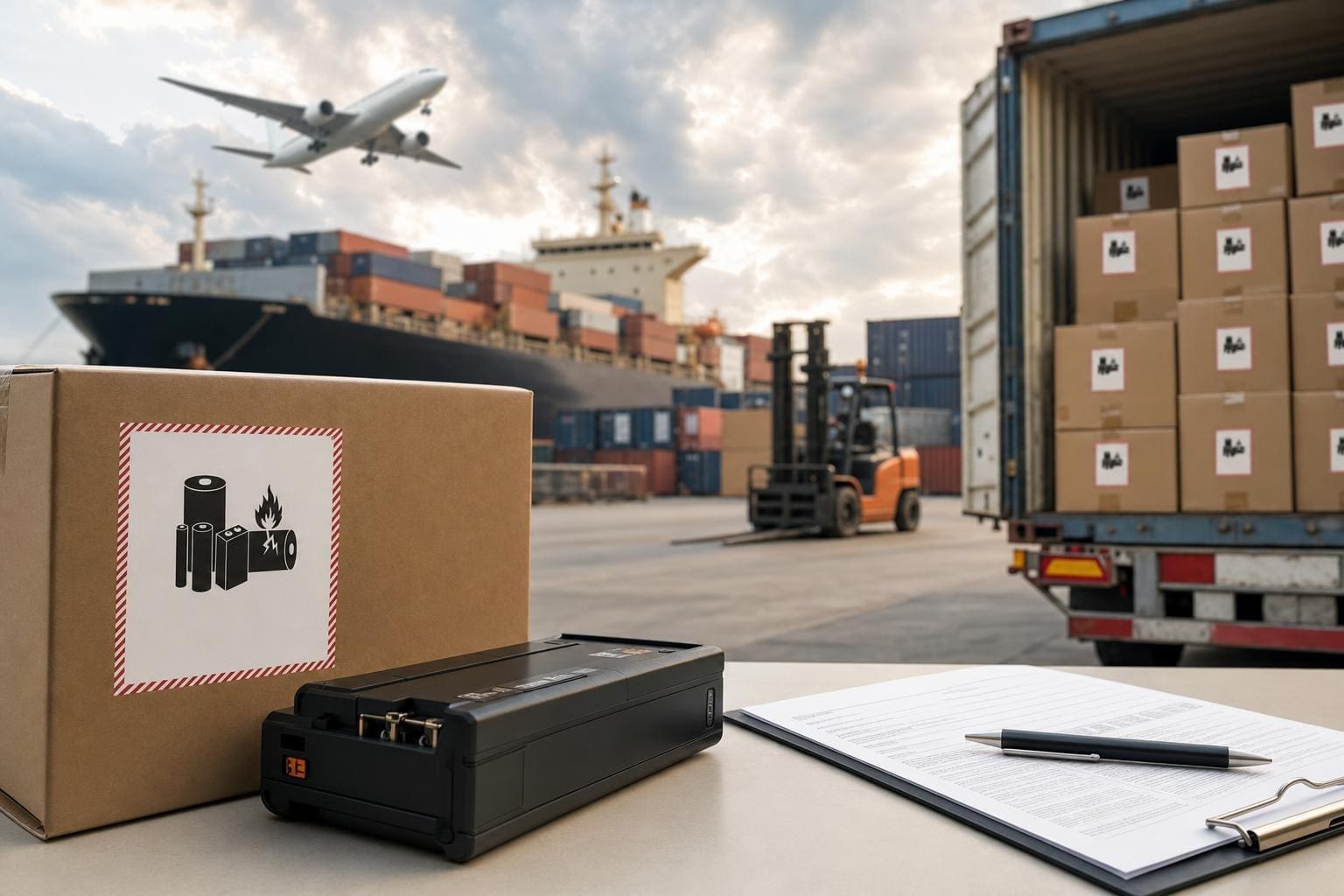
– Lithium battery handling label: shows the battery icon and emergency procedures.
– “Cargo Aircraft Only” label if the item is restricted from passenger flights.

Documentation includes the shipper’s declaration for dangerous goods (for many air shipments), packing certificates, and copies of UN38.3 reports. Keep digital and paper copies.

## Training And Accountability
Regulations mandate training. If you sign the paperwork, you are accountable.

### Who Needs Training
Anyone offering lithium batteries for transport, packaging them, signing shipping papers, or accepting them for carriage must receive dangerous goods training appropriate to their role. Training must be recurrent, usually every 24 months. Carriers audit this normally.

## Common Compliance Traps And How To Avoid Them
A few mistakes repeat across companies. Fix these and you’ll eliminate most headaches.

– Treating a battery in a product the same as a spare battery. They are different in the rules.
– Not checking state-of-charge requirements for air transport.
– Accepting used or recalled batteries without proper testing or approval.
– Using improvised packaging that fails in transit.
– Assuming limited quantity or exempted provisions apply without verifying specifics.

Practical fixes: label spares differently, request manufacturer test data, buy pre-tested packaging, and keep an incident response plan.

## Real-World Examples
A small company once tried to ship a batch of replacement packs for scooters by air because “it’s faster.” The packs were 150 Wh each and not declared. The shipment was stopped at the airline and returned. The company paid return freight, repackaging costs, and a fine. They switched to sea freight and redesigned the pack to 95 Wh to meet lighter rules for future shipments.

Another case: a service center sent a pallet of used phone batteries to a recycler. They had terminals exposed and no UN38.3 paperwork. At a consolidation depot, one battery shorted and caused smoke, triggering a costly emergency response. The recycler refused the consignment. The lesson: even used batteries have to be prepared and documented.

## How Regulators Are Changing Things
Regulations evolve in response to incidents and technology. Recent trends include more stringent labeling, clearer state-of-charge limits for air, and increased scrutiny of e-commerce sellers. Airlines and postal operators sometimes add their own requirements on top of international rules. Expect incremental tightening rather than sudden overhaul.

### What To Watch For
– Updates to IATA and ICAO that tighten passenger aircraft restrictions.
– Expanded testing or additional performance criteria for new high-energy cells.
– Postal rules that restrict sending spare batteries in parcels.

Stay subscribed to IATA bulletins and your national transport agency notices.

## Practical Checklist Before You Ship
Here’s a short checklist to run through before you hand a consignment to a carrier:
– Confirm battery chemistry and UN number.
– Obtain UN38.3 test reports and manufacturer declarations.
– Determine if the item is installed in equipment, packed with equipment, or shipped alone.
– Check Wh rating and state-of-charge limits for your mode of transport.
– Use approved packaging and protect terminals.
– Apply correct labels and prepare required documents.
– Verify carrier and route accept lithium shipments (some airlines and post offices restrict them).
– Train staff and keep records.

## When To Bring In Help
If you move bulk quantities, large-format batteries, prototypes, or damaged/recalled units, call a dangerous-goods specialist. A DG consultant or freight forwarder experienced with lithium battery shipping can save money by preventing delays and avoiding regulatory penalties. They can also tell you when you need special approvals, such as shipper’s certifications or modal-specific waivers.

### Working With Freight Forwarders
Not all forwarders are equal. Ask for their lithium shipping experience, references, and examples of similar shipments they’ve handled. Get written confirmation they will accept your battery type and volume.

## E-Commerce And Small Parcel Shippers
Selling batteries online complicates things. Marketplaces and postal services have strict rules and routinely block or delay parcels with undeclared batteries. Many platforms require sellers to comply with postal regulations and to label items correctly.

A simple oversight—like shipping spare batteries installed in a product and marking it as “electronics”—can stop a parcel. If you sell items that contain batteries, build a checklist into your fulfillment workflow.

## Enforcement And Penalties
Penalties vary by country. They include fines, seizure of goods, suspension of shipping privileges, and in extreme cases criminal charges. Carrier contracts often allow carriers to recoup cleanup costs and penalties from shippers. Insurance may not cover fines caused by regulatory noncompliance.

## Where To Get Reliable Updates
– IATA Dangerous Goods Regulations (subscription).
– ICAO Technical Instructions (public summaries and national notices).
– IMDG Code publications.
– Your national transport authority (DOT in the U.S., MCA or equivalent in other countries).
– Reputable freight forwarders and industry associations.

Sign up for email alerts from these sources. Rules change with little fanfare.

## Small Steps That Prevent Big Problems
If you only do one thing, make it this: standardize how your operation handles batteries. Create a simple SOP that covers verification, packaging, and documentation. Train staff, and audit shipments quarterly. Most incidents are process failures, not technical surprises.

If you ever recieve a refusal from an airline or port, don’t repackage and send it out again. Stop, ask why, and fix the root cause. Repeated mistakes cost more than hiring a consultant for a few hours.

#### Quick Reference: Common Terms To Know
– UN38.3: Mandatory transport testing for cells and batteries.
– UN3480/UN3481: Lithium-ion cells/batteries (alone or with equipment).
– UN3090/UN3091: Lithium metal cells/batteries.
– State Of Charge (SoC): The battery’s charge level, often restricted for air transport.
– Class 9: Hazard class for miscellaneous dangerous goods, including lithium batteries.

Keep these terms handy when talking to carriers or customs. They speed up communication and reduce errors.
Navigating International Food Shipping Restrictions

international food shipping restrictions

Shipping food across borders feels simple until customs opens the box. Then you learn about plant quarantines, temperature rules, and paperwork that has to match the jar label exactly. If you plan to send edible goods overseas, treat regulation as part of the product.

## International Food Shipping Restrictions: Practical Moves
The first step is to treat “international food shipping restrictions” like a checklist you consult before you even pack. Rules are not negotiable. A country may allow baked goods but ban fresh fruit. Another might let you import shelf-stable jams but require a health certificate for any product containing dairy. Find that out early.

### Check Destination Rules First
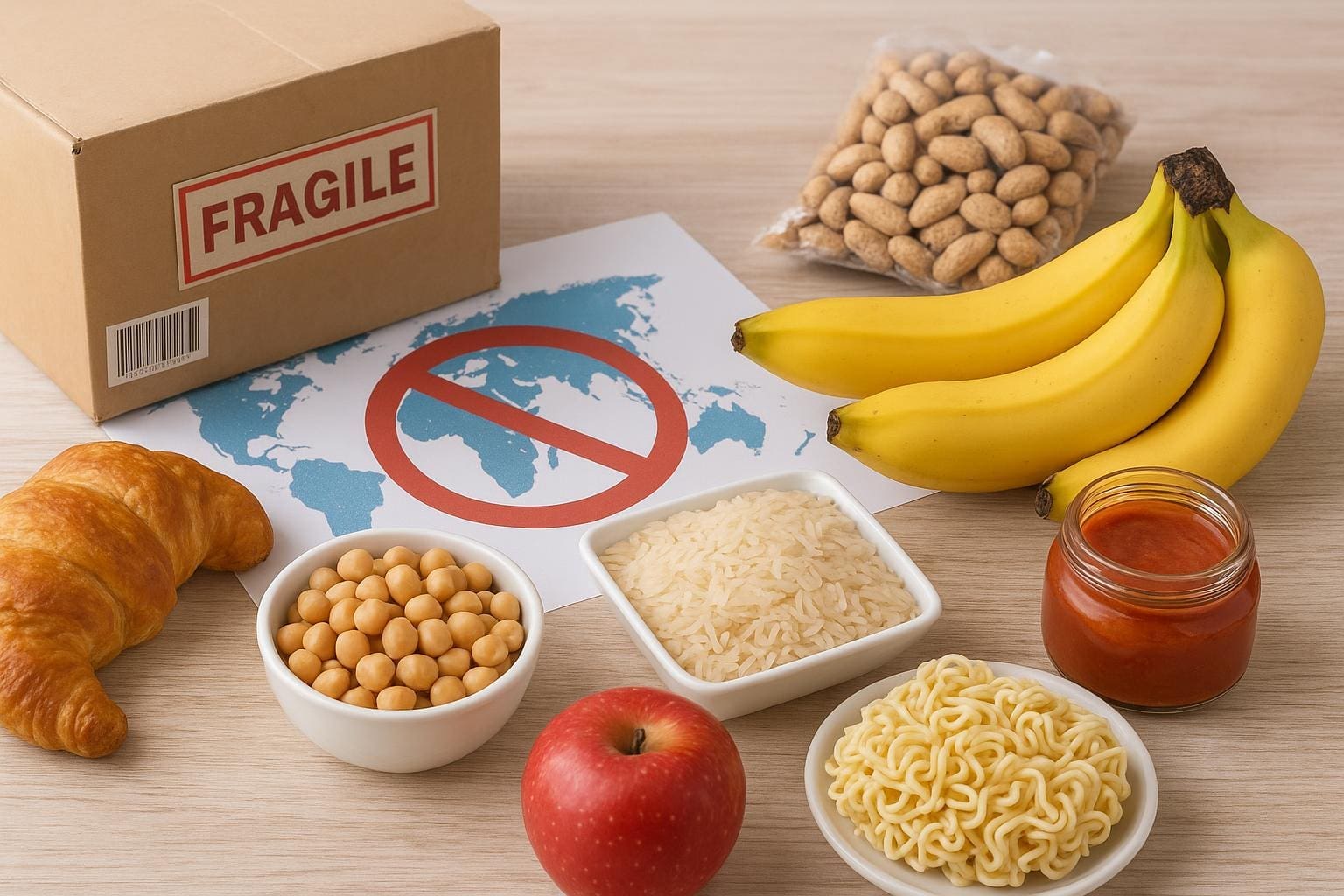
Every country maintains a list of prohibited items and required certificates. Look at the destination country’s customs website and their agricultural or plant protection agency. For example, many places ban seeds, soil, and raw fruit to prevent pests. Meat, poultry, and many dairy products are commonly restricted. These are classic international food restrictions—you can’t assume because something ships domestically it will clear customs abroad.

Also check carrier policies. USPS, FedEx, and DHL each have their own lists and packaging rules. A carrier might accept a package in theory but refuse it if the paperwork is incomplete.

### Paperwork And Permits You Actually Need
Don’t rely on “standard” paperwork. You may need:
– Commercial invoice with exact ingredient list and origin
– Phytosanitary certificate for plant-based goods
– Veterinary or health certificate for animal products
– Export declaration if value meets a threshold

If you are sending gifts, some countries still expect a declaration showing the package’s contents. If you mislabel something as “gift” to avoid duties, expect trouble. Also, remember to register correctly if you export commercially — taxes and excise can apply. And yes, make sure the importer’s name is spelled correctly; customs rejects forms for small errors and you will recieve delays.

#### Phytosanitary Certificates And Health Certificates
These are issued by your national authority (USDA, for instance) and confirm your product meets the destination’s safety and pest-free standards. Getting these can take days to arrange and often requires inspection. Don’t book overnight shipping and then wait a week for a certificate — the timing matters.

### Packaging, Cold Chain, And Carrier Limits
Packaging is legal protection as much as physical protection. Use tamper-evident seals and include a clear ingredients list in the language of the destination when required. For perishable goods, a reliable cold chain is crucial. Talk to carriers about transit times and temperature guarantees. If you promise “keep frozen” but the package spends two days at room temperature, customs may seize it for safety.

Dry ice is often the go-to for frozen goods, but it’s treated as a hazardous material on planes. There are limits on quantity, packaging standards, and mandatory labeling. If you ship frozen seafood or ice cream internationally, the dry ice rules can change which carriers you can use. Those are specific food shipping restrictions you need to plan for.

#### Dry Ice, Batteries, And Dangerous Goods
Dry ice sublimates to CO2. It can cause pressure build-up in sealed containers and requires venting and special documentation. Combining dry ice with other restricted items (like certain aerosols) complicates approval. Carriers will ask for a dangerous-goods declaration when dry ice is present.

### Common Pitfalls Sellers Miss
People underestimate small details:
– Ingredient translations. Customs officers want to see what’s inside.
– Origin labeling. Many countries restrict products from regions with outbreaks.
– Value mismatches. Under-declaring value to avoid duties often triggers inspections and fines.
– Nonfood items in the same package. A souvenir spoon can ruin an otherwise compliant food shipment.

For direct-to-consumer sellers, consider local fulfillment instead of cross-border shipping. Print-on-demand and local co-packers avoid the headache of customs entirely for repeat customers.

### When To Use A Customs Broker Or Freight Forwarder
If you’re shipping complex items or large volumes, hire help. A broker knows which forms matter in a specific trade lane and can speed clearance. Freight forwarders help with temperature-controlled container bookings and consolidate smaller shipments into compliant loads. The fee pays for itself when they avoid a seizure or costly return.

Use the right paperwork, pack to destination expectations, and pick the right carrier. International food shipping restrictions are a mix of science and paperwork; respecting both keeps goods moving and customers happy.

What Cannot Be Shipped Internationally For Customs Clearance?

what cannot be shipped internationally

Customs officers won’t let everything through. Some things stop at the border not because of bad luck but because they’re illegal to export or import, unsafe, or tightly controlled. If you ship without knowing the rules, your package can be returned, destroyed, or trigger fines — and that’s the mild outcome.

## What Cannot Be Shipped Internationally: Common Categories
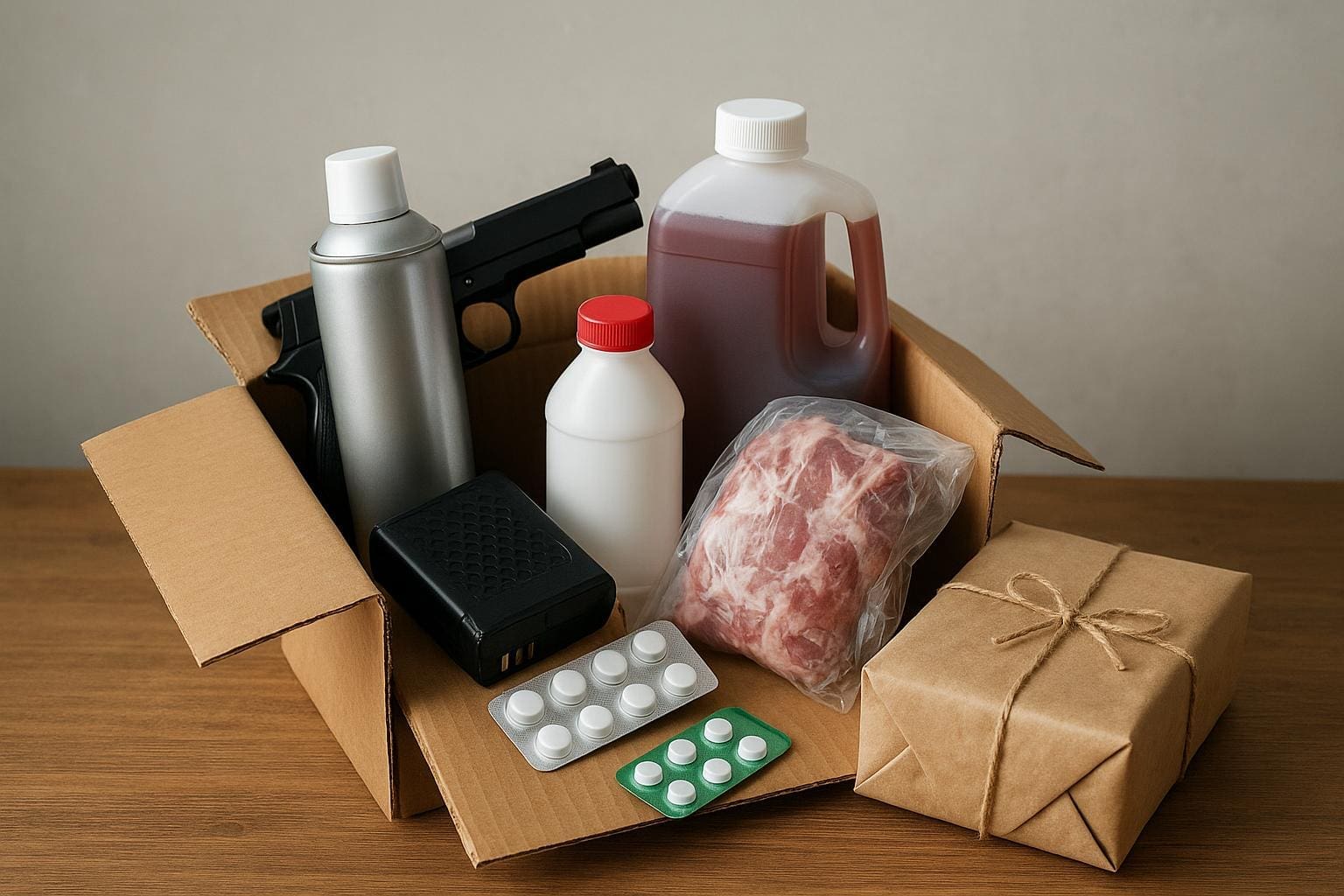
Start with the obvious: dangerous goods. Lithium batteries inside a phone, loose lithium cells, gasoline-powered tools, and aerosol cans are frequently blocked. Even small personal items can get rejected if they’re packed the wrong way or not declared. Other big categories are drugs, weapons, fake brand-name goods, and agricultural products that threaten local ecosystems.

### Dangerous And Hazardous Materials
Lithium batteries top many lists. Airlines and many couriers restrict them because they can overheat and catch fire. Flammable liquids and gases, corrosives like strong acids, and certain chemicals are also risky. Think nail polish remover, spray paint, and industrial solvents. Shipping them often requires special packaging, labeled paperwork, and sometimes a carrier that accepts dangerous cargo.

### Controlled Substances And Weapons
Most countries ban recreational drugs and unlicensed pharmaceuticals. Prescription medication might be allowed with a doctor’s note and correct labeling, but that varies a lot. Firearms, ammunition, certain firearm parts and even some knife designs are restricted or entirely prohibited. Export controls can also cover military-grade items and some tech under arms regulations.

## Where Agriculture And Wildlife Fit In
Plants, seeds, soil, meat, dairy, and live animals are frequently refused because they carry pests or diseases. Countries protect local agriculture fiercely. CITES-listed items — ivory, certain animal skins, and products from endangered species — face strict paperwork or an outright ban. Trying to send a taxidermy trophy or raw hides without permits invites seizure.

### Counterfeit And Cultural Goods
Counterfeit goods and pirated media are classic prohibited items. Sending fake designer bags or unlicensed software risks criminal penalties. Cultural property like archaeological finds or significant artworks may also be restricted; many nations require export permits to prevent looting and illegal sales.

#### Currency, Stolen Property, And Sensitive Information
Large sums of cash, bearer bonds, and stolen items will be stopped. Exporting sensitive technical data or controlled encryption tech can fall under export-control laws even if there’s no physical object moving. Governments sometimes treat data transfer the same as shipping a device.

## How Customs Decide What Cannot Be Shipped Internationally
Customs agencies rely on laws, treaties, and lists that change frequently. They use codes submitted on commercial invoices and electronic manifests to flag banned goods. Carriers screen parcels against their own rules too; FedEx, DHL, and postal services each publish restricted and prohibited lists. So you’re juggling national laws and carrier policies at once.

### Practical Examples
A friend once sent a box of artisanal salami to a relative in Europe; it was returned and destroyed because meat products were banned without veterinary certification. Another person tried to ship a lithium battery pack in checked luggage and was fined. And someone importing a vintage military compass found it required a permit because it was technically a restricted navigation device.

## Dealing With International Shipping Restrictions
First step: check the destination country’s customs site. They list banned items and required permits. Next, consult the carrier’s prohibited items and packaging rules. Some carriers won’t accept certain goods at all, regardless of customs. If you’re unsure, use a customs broker or ask the carrier’s support team.

### Paperwork And Permits
Permits can make an otherwise prohibited item legal. Phytosanitary certificates for plants, CITES permits for wildlife products, export licenses for controlled tech — these things matter. Make sure invoices are accurate and descriptions aren’t vague or misleading. Honesty speeds things up. Also, always get a receipt or tracking number so you can recieve updates and contest seizures fast.

#### Penalties And Risks
Consequences range from delays and extra fees to criminal charges for deliberate smuggling. Packages get seized, fines issued, and reputations damaged. Businesses face bigger fines and potential loss of shipping privileges. Don’t assume small size or low value makes something okay.

## Quick Rules Of Thumb
If the item is dangerous, related to weapons or explosives, involves drugs or wildlife, or could be considered counterfeit, treat it as suspect. If it’s anything that could cross into “controlled” territory — high-tech electronics, defense-related components, dual-use items — get legal or customs advice. When in doubt, don’t ship it until you confirm the rules.

## Where To Find Reliable Information
Start with the destination country’s customs website and your carrier’s guidelines. Look up CITES, relevant export-control lists (like ITAR/EAR in the U.S.), and international postal regulations. A customs broker or experienced freight forwarder can save time and money if your shipment isn’t straightforward.

Keep in mind that “what cannot be shipped internationally” isn’t a short, fixed list you can memorize. It’s a mix of laws, biology, safety, and policy — and it changes.

Can You Ship Perfume Internationally And Pass Customs Safely?

can you ship perfume internationally

## Can You Ship Perfume Internationally And What To Know

Yes, but not without doing homework. Perfume is basically a flammable liquid in a pretty bottle, and that combination triggers rules from airlines, couriers, and customs agents. If you skip steps you’ll get a returned parcel, a fine, or a courier refusing to accept the package. Get the basics right and most shipments clear fine.

### Why Perfume Is Treated Differently

Perfume uses alcohol as a solvent. That makes bottles hazardous from a transport point of view because alcohol is flammable. Regulators classify many fragrances under dangerous goods rules. That doesn’t mean you can’t send them, but it does mean special handling, packaging, and paperwork for many routes — especially if transport involves air.

### Can You Ship Perfume Internationally? Short Practical Answer

Yes: can you ship perfume internationally if you follow carrier rules, label it correctly, and respect destination laws. No: can you ship perfume internationally if you try to send multiple liters in one package and expect it to fly without documentation. The difference is compliance.

## How Carriers Handle Perfume

Carriers vary. Some handle flammable liquids routinely under “limited quantity” or “dangerous goods” protocols. Others forbid air carriage and only accept parcels by surface or ground. Major express carriers accept perfume in small commercial quantities, but they require DG paperwork or the shipper to mark the parcel with limited quantity labels. National postal services sometimes have stricter rules, especially for international airmail.

### What To Check Before Booking A Shipment

1. Check the carrier’s dangerous goods policy.
2. Confirm whether the route includes air transport.
3. Verify the destination country’s import rules for alcohol-based products.
4. Decide whether you’ll ship insured and with signature on delivery.

Don’t assume ground-only is safe. International routes often combine air and ground. If a carrier needs to move a parcel by air, and your package isn’t eligible, the carrier will either reject it at pickup or divert it.

### Basic Packaging And Labeling Rules

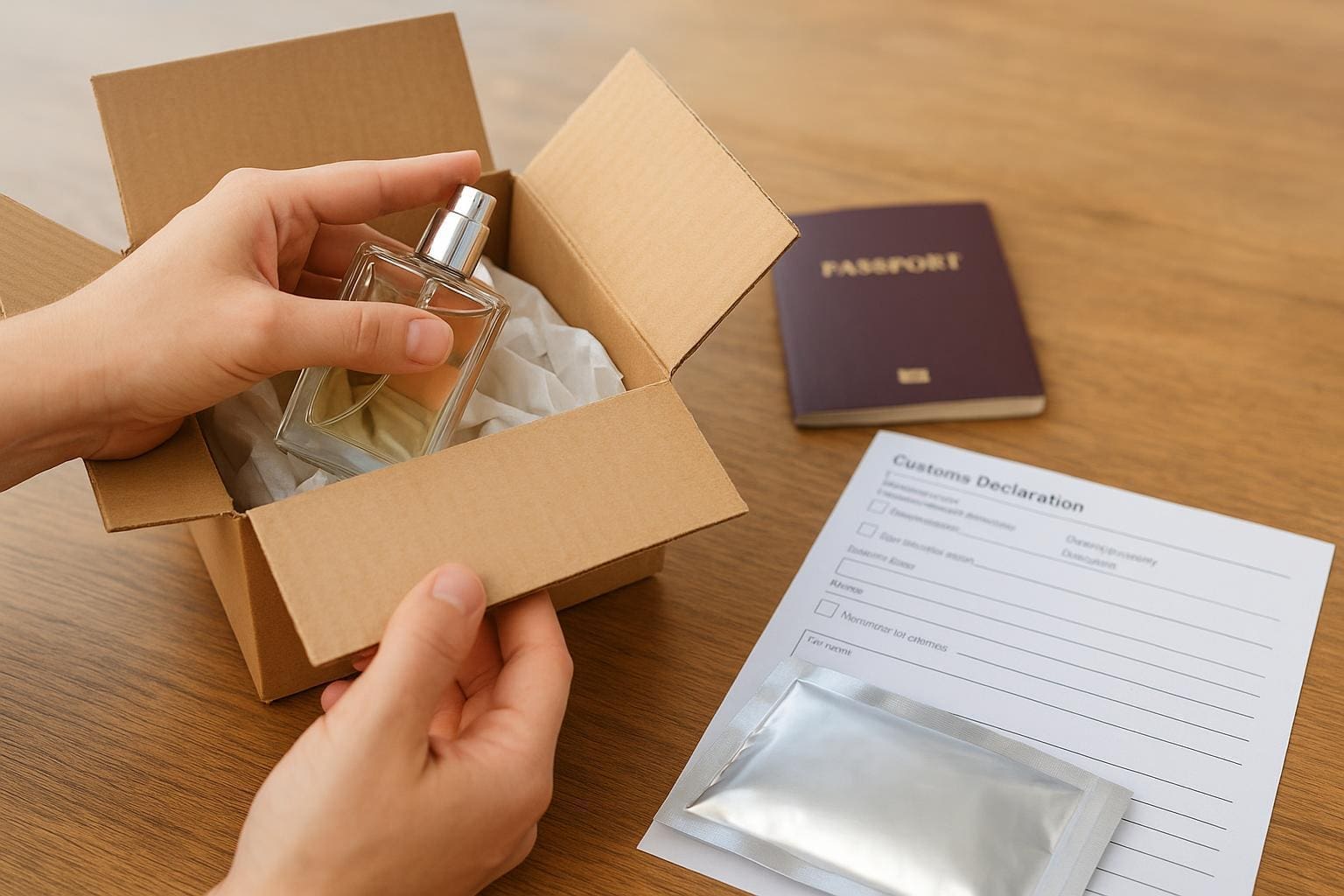
Packaging is twofold: protect the bottle and satisfy safety rules for flammable liquids. Use an inner sealed bag, absorbent padding, and an outer rigid box. Put the bottle upright and secure it so it can’t shift. Many carriers expect limited quantity markings or DG labels if the alcohol content crosses a threshold.

For e-commerce sellers, include a clear commercial invoice that describes the contents honestly: “Eau de Parfum, 50 ml.” That helps customs. If the shipment meets limited-quantity rules, you’ll need to mark it as such. If it doesn’t, the carrier will usually require a full DG declaration and certified packaging.

## Perfume Restrictions You Need To Know

Perfume restrictions fall into a few camps:

– Transport restrictions because it’s flammable.
– Import restrictions because of alcohol content or local laws banning certain scents or ingredients.
– Seller-focused restrictions, like quotas or licensing in specific markets.

Countries with strict alcohol controls may limit or prohibit perfume imports. Religious or cultural laws in some regions restrict the import of alcohol-containing products, and customs officials may seize undeclared items. Always check the destination’s official customs site for current rules.

### Examples Of Country-Level Concerns

– Some Gulf and Middle Eastern countries screen more closely for alcohol content.
– Certain countries enforce bans on ingredients considered endangered or controlled (natural extracts like some oud varieties can be restricted).
– Post-Brexit, the UK and EU have different documentation and VAT processes that can trip up sellers unaware of new customs entries.

Don’t rely on guesswork. If you’re shipping to a tricky jurisdiction, call the carrier’s local office and confirm.

## Documentation Customs Want To See

Customs agents need a clear, truthful paper trail. Typical documents include:

– Commercial invoice with product description, HS code, and value.
– Air Waybill or tracking number.
– Any required import permits or certificates for ingredients.
– Dangerous goods documentation if applicable.

HS codes for perfumes usually fall under the “perfumes and toilet waters” category, but classification can vary with concentration and ingredients. Wrong HS codes or undervaluing goods is a common reason parcels get held for inspection.

### Declarations And Values

Declare the correct value. Lowballing a parcel to avoid duties is risky: customs can seize items for misdeclaration, issue fines, and delay clearance. If you ship as a gift, mark the item as such only if it genuinely is a gift — customs agencies audit this frequently.

## How To Choose The Right Shipping Method

Air freight is fast but most strictly regulated for flammable liquids. Express couriers can ship small quantities quickly if you follow limited-quantity rules. Surface/sea freight handles larger quantities better but takes longer and still needs correct maritime DG packaging.

If you’re a seller, also think about returns. Returns with perfume lead to extra customs interactions. Offer prepaid return labels only after you’ve checked that returns to your base country are possible for used or opened fragrances.

### When To Use A Specialist Freight Forwarder

If you’re moving bulk inventory or expensive niche perfumes, a forwarder specializing in chemicals or fragrances will handle DG classification, packing, and customs brokerage. It costs more, but it keeps you out of trouble and can be worth it for higher-value shipments.

## Practical Packing Steps That Work

– Wrap the bottle in bubble wrap and seal it in a leak-proof bag.
– Place absorbent material between the inner bag and outer box.
– Use a sturdy outer box and cushion all sides so the bottle stays centered.
– Clearly mark the package with any required limited-quantity labels or DG marks.
– Add “Liquid – Flammable” if required by the carrier.

This is straightforward but frequently botched when sellers try to minimize weight or skip absorbent materials. A leaked perfume destroys customer trust faster than delayed delivery.

## Dealing With Customs Inspections

If customs opens a parcel for inspection, have digital records ready: invoices, purchase receipts, and MSDS (Material Safety Data Sheet) for the fragrance if available. Some customs authorities request MSDS to verify that the declared item matches what’s inside. If they suspect banned ingredients, expect longer hold times.

### What Triggers A Hold

– Inconsistent description between the invoice and the physical packaging.
– High declared value without a matching audit trail.
– Country-specific ingredient concerns or alcohol percentage.
– Improper or missing DG labels for air shipments.

If your parcel is held, cooperate. Provide the documents promptly and answer questions honestly. Aggressive or evasive behavior just makes clearance slower.

## Selling Perfume Internationally: Policy Tips

If you run an online store, make shipping policies explicit. Don’t leave buyers guessing whether a fragrance can be shipped to their country. List countries you won’t ship to and explain returns, duties, and taxes.

Also set expectations about delays related to customs inspections. Some customers get upset when a supposedly two-day shipment spends a week in customs, even if it was unavoidable. Clear communication reduces disputes.

### Insurance And Liability

Buy insurance for high-value shipments. If a parcel is lost or damaged, you’ll want coverage for the retail value, and insurance claims often require proof of proper packaging and accurate documentation. If you knowingly misdeclare a parcel and something goes wrong, insurers may refuse the claim.

## Perfume Shipping For Individuals: Tips For Gifts And Personal Use

If you’re sending a perfume gift to a friend abroad, check both the carrier’s rules and the destination’s import laws. Smaller, single-bottle gifts usually clear so long as the carrier accepts the item and you declare it truthfully. If your shipment is refused, the item may be destroyed or returned at your expense.

### Senders Should Remember

– Use a carrier that provides tracking and signature on delivery.
– Pack as if the bottle is fragile and flammable — because it is.
– Include the recipient’s phone number for customs brokers to contact them if needed.

If the perfume contains restricted animal-derived extracts or alcohol levels that violate local laws, it might not pass customs even if the carrier accepts the parcel.

## How Retailers Can Prevent Problems

Start with proper SKUs that include HS codes and alcohol percentage in your product data. Train staff who pack orders to follow the packaging checklist. Make sure your e-commerce platform flags restricted destinations at checkout so customers can’t place orders you can’t ship.

Also, work with carriers that offer customs brokerage as part of their express services. That reduces the friction for customers and reduces manual handling on your side.

### Tools That Help

– Automated customs calculators integrated into your checkout.
– Label-printing tools that include DG or limited-quantity markings.
– MSDS database access for your product team.
– A list of banned or restricted countries for perfume imports.

These sound like extra work, but when you’re shipping dozens or hundreds of bottles a month, they save time and reduce losses.

## Real-World Scenarios And What To Do

Scenario: A customer in Country X orders a 100 ml parfum. The courier refuses at pickup because the route involves air transport and the bottle exceeds the carrier’s limited-quantity threshold. What now? Your options: cancel and refund, switch to a ground-only carrier (if available), or break the shipment into smaller individual parcels that fall under the limited-quantity rules. Each option costs time or money, so communicate with the buyer.

Scenario: A parcel gets held for inspection because customs didn’t like the ingredient list. If you have MSDS and ingredient declarations, provide them fast. If you don’t, you may face seizure or destruction.

These examples are common. Plan for them.

## Avoiding Common Pitfalls

The worst mistakes are avoidable: concealment (not declaring alcohol content), incorrect packaging, and ignorance of destination laws. Don’t label the box “Cosmetics” and expect customs to treat it differently. Be specific: “Eau de Parfum, alcohol-based, 50 ml.”

If you work with resellers overseas, train them about perfume restrictions when they re-export inventory. It only takes one misdirected container to create a big compliance headache.

### When To Call Customer Support

If you’re unsure about a particular country or an unusual ingredient, call the carrier’s hazmat team. They handle these questions daily. Also call local customs if the destination customs website is vague. It’s better to ask and document a written reply than to guess.

## Small-Batch And Handmade Perfumes

Handmade or artisanal fragrances present extra paperwork challenges. They may include unusual botanical extracts that draw scrutiny. Also, homemade labels and nonstandard packaging can lead customs to question authenticity or safety. For craft perfumers, consider working with a broker who specializes in cosmetics and fragrances.

## Final Practical Reminder

can you ship perfume internationally? Yes, given the right paperwork, packaging, and route. But it’s not one-size-fits-all. Each shipment needs a moment of thought: carrier rules, destination laws, labeling, and honest documentation. Take that moment, and you’ll avoid most problems — and your parcels will arrive intact and on time.

#### How To Recieve Returns Safely

If you’re accepting returns, instruct the sender to check with their carrier first. Returned perfumes can be considered hazardous, so the route back to you may be different from the route out. Track returns closely, request proof of proper packing, and quarantine any returned goods until you confirm they’re intact and safe to restock or resell.