Po Box Vs Street Address For Business A Strategic Choice

po box vs street address for business

## Po Box Vs Street Address For Business: Weighing The Trade-Offs

Choosing between a PO Box and a street address is dull on paper, but it shapes everything from customer trust to whether your packages ever arrive. The decision isn’t about “which is better” in the abstract. It’s about which solves the real problems your business faces right now and which lets you scale without surprise headaches. Here’s how to think about it.

### How The Two Options Work In Practice

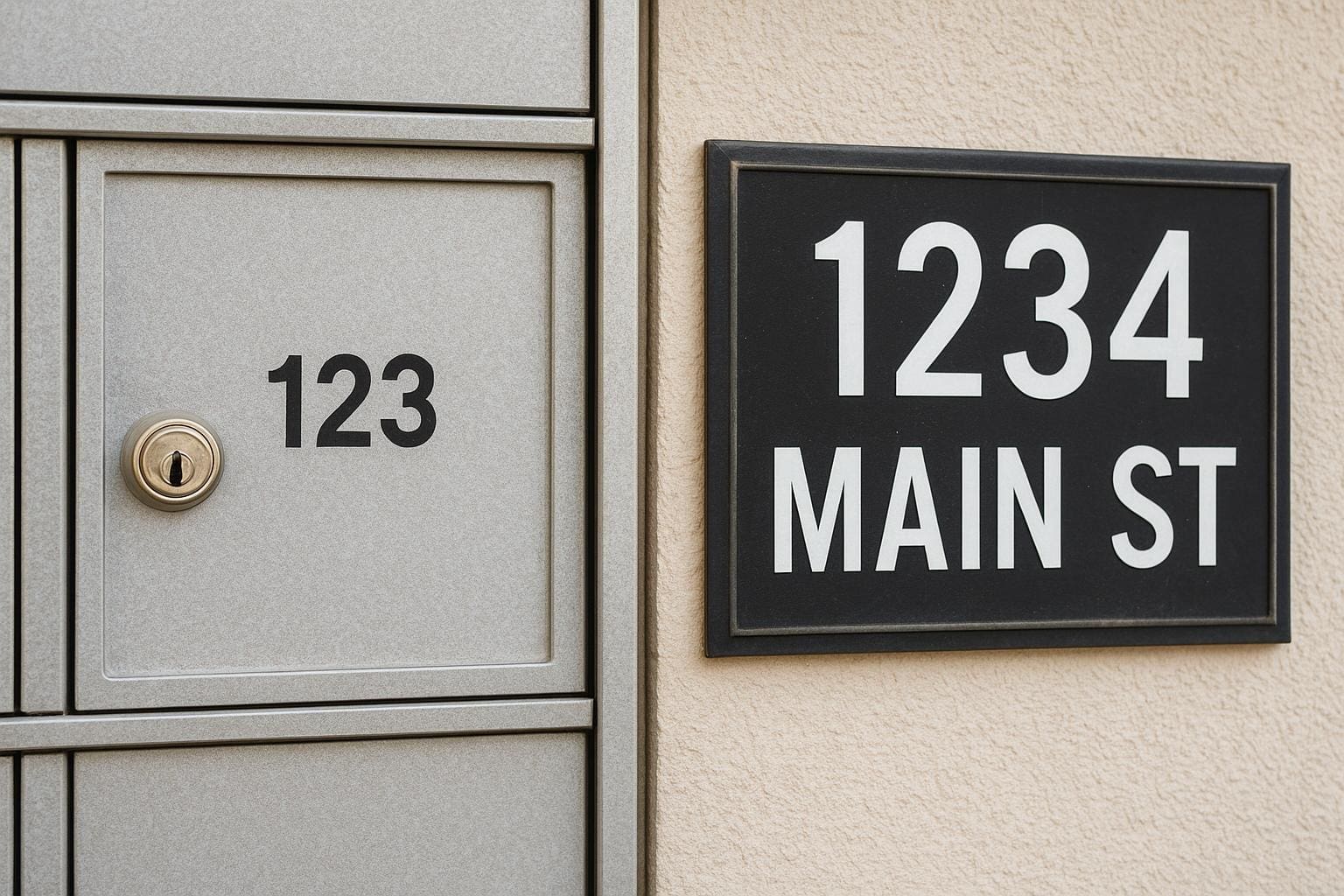
A PO Box sits at the post office. You rent a numbered box and pick up mail during business hours. Simple. It’s private and cheap. It’s also limited: packages from couriers like UPS or FedEx sometimes won’t be delivered, and many banks and government agencies won’t accept a PO Box for registration or verification.

A street address is any physical location that can receive deliveries—an office, storefront, warehouse, or mailbox at a commercial mail receiving agency (CMRA). It’s what customers expect for deliveries and legal filings. It also serves as proof of presence in a locality for permits, licensing, and bank verification.

### Who Should Pick A PO Box

A PO Box shines for tiny operations where cost and security beat accessibility. Consider these cases:

– A sole proprietor who runs an online craft shop from home and wants to avoid publishing a home adress on the website.
– A seasonal vendor who needs a cheap, reliable place to receive invoices and letters.
– A hobbyist selling low-volume items where couriers aren’t a major factor.

PO Boxes are low-profile and fairly inexpensive. They remove the risk of customers or suppliers showing up unannounced at your home. If you mainly receive letters and small envelopes, a PO Box does the job.

### When A Street Address Is Necessary

If customers expect deliveries, if you need to accept courier packages, or if you must register with banks and regulators, get a street address. Situations that push you toward a street address:

– You sell physical goods that require FedEx, UPS, DHL, or same-day delivery.
– You rent a co-working space or storefront and need a public-facing location.
– You’re applying for an employer identification number (EIN), certain licenses, or opening a business bank account that requires a physical address.

A street address signals legitimacy. Clients, suppliers, and partners often treat a business at a physical address more seriously than one that lists only a PO Box.

### The Reality Of Compliance And Banking

Banks and state authorities tend to prefer street addresses. When you’re setting up an LLC, registering for state taxes, or opening a merchant account, a physical address can be mandatory. Banks use street addresses for identity verification and fraud prevention. If you try to open an account with a PO Box as your primary address, expect extra hoops or outright rejection.

This isn’t bureaucracy for its own sake. Financial institutions need ways to tie a business to a geolocation for risk assessment. A street address provides that. If you can’t list your home, consider virtual office services that provide a real street address you can use for banking and registrations.

### Customer Perception And Brand Signals

Look at websites. Which one are you more likely to trust: a company that lists a PO Box as its only contact or one that lists a street address and hours? People read addresses as data about legitimacy.

That said, some businesses intentionally hide a home address behind a PO Box because privacy is more important than appearing brick-and-mortar. The trade-off is clear: privacy versus perceived credibility.

### Shipping And Package Delivery Nuances

PO Boxes are fine for letters and small USPS parcels. But couriers often require a street address. Many e-commerce platforms default to showing shipping options that depend on the delivery address; if your business address is a PO Box, customers may be prevented from selecting ground shipping with certain carriers. That creates friction at checkout.

If your business depends on returns, replacements, or receiving supplier shipments, a street address usually wins.

#### Handling Large Volumes And Mixed Mail

If you foresee a mix of letters, catalogs, and frequent courier deliveries, using a street address—or a commercial mail receiving agency that accepts courier parcels for you—is less of a headache. You pay more, but your operations run smoother.

### PO Box Alternatives That Fit Between Cheap And Professional

Not everyone needs a full office, but many need more capability than a PO Box. Here are practical po box alternatives to consider: virtual mailboxes, UPS mailbox services, rented office mail services, and coworking addresses.

A virtual mailbox scans incoming mail and shows it to you online. You can request opening, scanning, shredding, or forwarding. This is great for remote founders who travel. UPS and other CMRAs give you a real street address and accept courier deliveries. Coworking spaces often let you list their address for mail and provide meeting rooms by the hour.

Each of these po box alternatives costs more than a basic PO Box, but they solve specific problems—package acceptance, professional presentation, and remote access to mail contents.

### Cost Comparison: Dollars And Time

A PO Box is cheap. You can rent one for under $100 per year in many locations. A virtual mailbox or CMRA is more expensive—typically several hundred dollars a year for reliable services. Renting a physical office or storefront is far costlier.

Don’t forget hidden costs. Time matters. If you’re spending hours driving to the post office to pick up mail, that’s an expense. If missed courier deliveries force you to reschedule or lose inventory, that’s an expense too. Sometimes paying extra for a service that accepts all delivery types is cheaper in practice.

### Legal Address Versus Mailing Address: A Distinction That Matters

Your mailing address is where you receive correspondence. Your legal or registered address is what government entities use for official contact and where legal notices can be served. In many jurisdictions, a PO Box cannot serve as the registered address for a corporation. You might need to list a physical location even if you use a PO Box for day-to-day mail.

The term business mailing address often shows up in forms. That’s the address you expect to receive mail at. It can be a PO Box, but if the form specifically asks for a “principal place of business” or “registered office,” they typically want a street address.

### Privacy And Safety Considerations

Publishing a street address exposes you to more direct contact. If you work from home, that might be undesirable. For service providers who meet clients at neutral locations, a PO Box or one of the po box alternatives keeps their home private.

But also consider records and subpoenas. A PO Box doesn’t shield you from legal process; it just changes the way documents are served. Law enforcement, process servers, and official notices will still find their way to you through other channels.

### Case Studies: Which Choice Fits Which Business

– Local Coffee Shop: Needs deliveries of coffee beans and equipment. Must pass health inspections. A street address is necessary.
– Freelance Graphic Designer Working From Home: Wants privacy and minimal mail volume. A PO Box or virtual mailbox makes sense.
– E-Commerce Retailer Shipping Boxes Nationwide: Needs couriers and returns handling. A street address or CMRA that accepts courier parcels is essential.
– Startup With Remote Team And Investor Visibility: Wants a professional address for pitch decks and incorporation documents. A virtual office providing a street address or coworking mail service can bridge the gap.

### Practical Steps To Decide Today

Figure out what you actually receive now and what you expect to receive in six months. If shipments are rare and mostly letters, a PO Box is fine. If you’re scaling inventory or expect to sign contracts and need bank accounts, prioritize a street address.

Call your bank and the state office. Ask whether a PO Box will be accepted for your specific filings. Check popular carriers you’ll use and confirm whether they deliver to PO Boxes in your region.

### How To Combine Both: Hybrid Approaches That Work

You don’t have to be all-in on one choice. Many small businesses use a hybrid approach: list a street address for registrations and customer-facing pages, and use a PO Box for certain invoices and personal mail. Virtual mailbox services can reroute or scan selected items so you control what arrives physically.

Using a CMRA to get a street address while keeping a PO Box for sensitive correspondence merges security with functionality. That’s often the pragmatic middle ground.

#### Practical Example Of A Hybrid Setup

A photographer lists a virtual office street address for client bookings and bank account registration. They also maintain a PO Box for personal correspondence and vendor invoices. Large deliveries from suppliers go to a rented studio when needed.

### Common Misconceptions That Trip People Up

People often assume PO Boxes protect them from all solicitation. They don’t. Junk mail, marketing flyers, and inquiries can still be associated with a business through other public listings. Conversely, having a street address doesn’t automatically mean better search rankings or instant credibility. Reputation is built by reviews, responsiveness, and consistent branding.

Another myth: PO Boxes are inherently anonymous. They’re not; the post office keeps records, and in many legal contexts you must disclose your real identity.

### Implementing A Change Without Disruption

If you switch from a PO Box to a street address, notify vendors, banks, and customers. Update your website, invoices, and registrations. If you’re changing registered addresses, follow your state’s procedures to amend filings. Use mail forwarding for a transition period so nothing gets lost.

If you adopt one of the po box alternatives, test the service with a few trial shipments before committing. Send a high-value package and a regular invoice to make sure they treat both reliably.

### The Role Of E-Commerce Platforms And Marketplaces

Marketplaces like Amazon and Etsy sometimes treat addresses differently. Amazon sellers, for example, often need to verify locations for tax and performance reasons. Some platforms block checkout options if a PO Box is entered. When you set up shipping profiles, test the checkout flow as a customer to see if your listed address causes unexpected results.

Keep in mind that returns are frequently the pain point. If you sell on multiple channels, ensure your returns process works with the address you provide.

### Final Practical Advice For Most Small Businesses

For a one-person operation with low mail volume, start with a PO Box or a virtual mailbox. It’s inexpensive and keeps your home private. If you sell physical goods, accept regular courier deliveries, or need to register with banks or state agencies, invest in a street address—either by renting space, using a CMRA, or subscribing to a virtual office.

Remember to think beyond price. Time, customer experience, compliance, and risk of missed deliveries are often more expensive than the rental fee. And if you need a middle path, explore po box alternatives until you find a setup that fits your workflow and budget.

### How To Choose A Provider Without Getting Burned

When evaluating virtual mailboxes or CMRA providers, look for: clear pricing, sample scans, secure storage, and a local street address rather than a PO Box. Read reviews about package handling. Ask about insurance for lost packages. Check if they allow you to add authorized users so employees can pick up mail without complications.

If you need bank or legal acceptance, confirm the provider’s reputation with those institutions. Some virtual address services are specifically designed to meet verification requirements; others aren’t.

### Changing Addresses Later: What To Watch Out For

Changing your adress, whether it’s to a street address or a virtual office, means updating tax registrations, bank accounts, vendor records, and web listings. Missing one of these can cause billing errors, lost mail, or compliance flags. Use a checklist and allow overlap with mail forwarding for at least 60 days.

Keep a log of who you notified, including dates. That small habit saves hours during audits, renewals, and vendor disputes.

### Quick Workflow Checklist To Decide

– List current mail volume and types (letters, small parcels, large couriers).
– Identify required registrations and whether they accept a PO Box.
– Tally direct costs and estimate time cost for pickups and missed deliveries.
– Trial a po box alternative if you need package handling but don’t want a full office.
– Confirm bank and marketplace requirements before deciding.

Pick the option that maps to your operational realities, not just your budget. The right choice shifts paperwork, customer experience, and cash flow in tangible ways. If you’re unsure, start with a lean solution that can scale: a virtual mailbox or CMRA often buys time without locking you into a full office lease. And remember, a tiny investment now can prevent a big problem later.

USPS Hold For Pickup Guide Unveiled For Mail Managers

usps hold for pickup guide

If you run mail for an office, a retail shop, or a small apartment building, “just handling mail” is a task that quietly saps time. The USPS hold-for-pickup option is the one smart shortcut most managers miss. It stops packages from sitting in a lobby or on someone’s desk and gives you a predictable pickup window instead.

## USPS Hold For Pickup Guide: How It Works
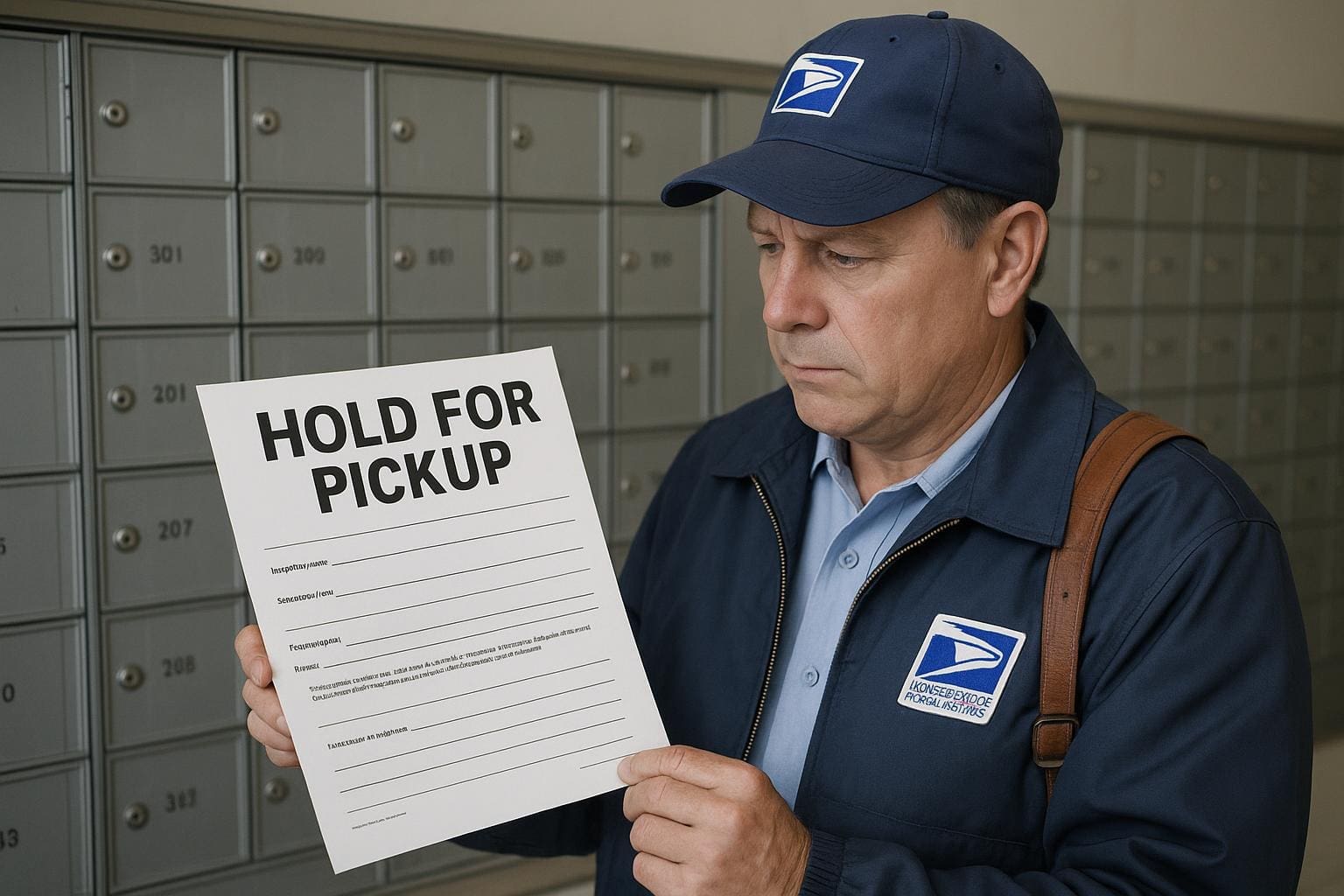
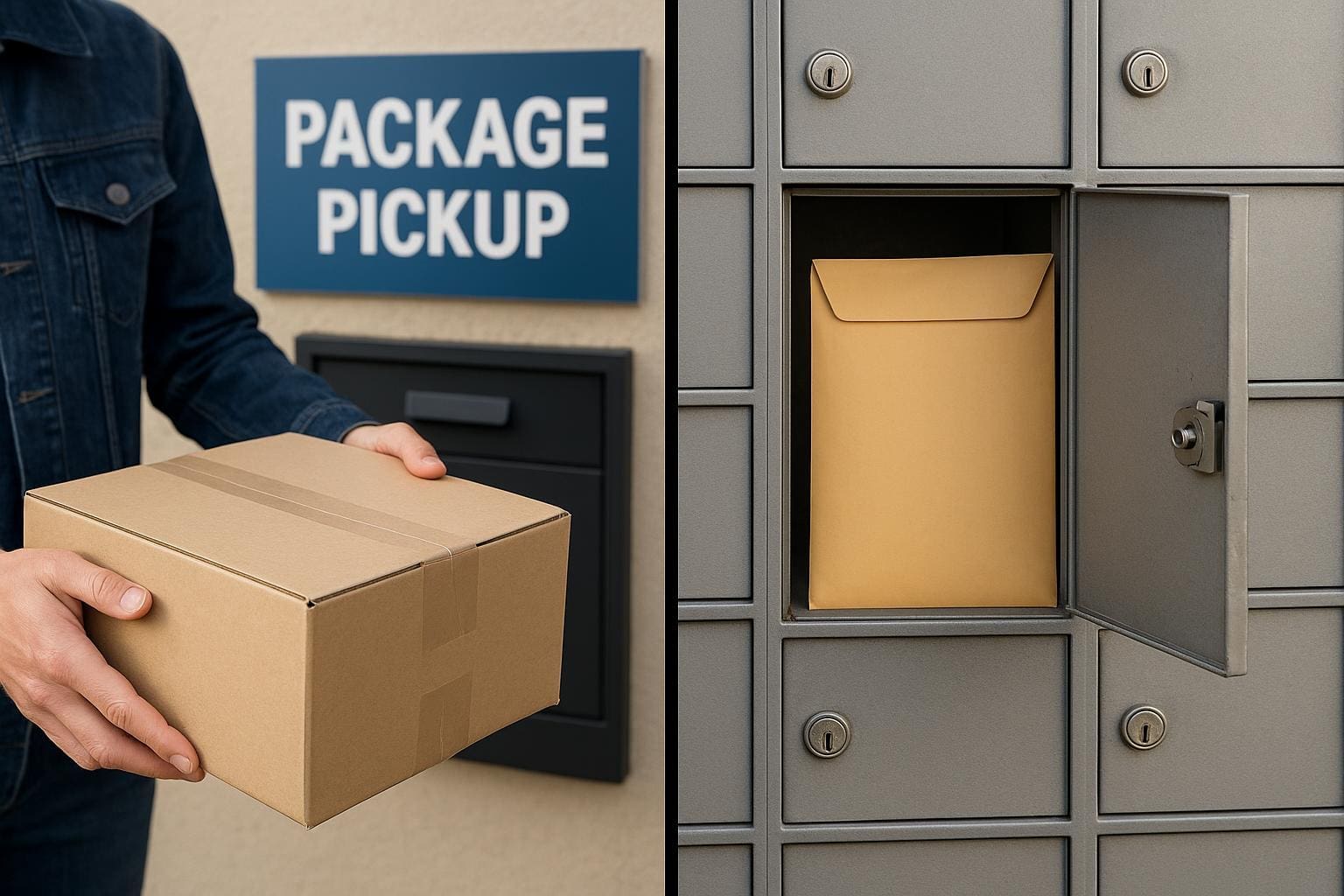
The idea is simple: a sender or recipient can request that a parcel be held at a specific post office for pickup instead of being delivered to the street address. That’s the core of this usps hold for pickup guide. The post office logs the package, holds it behind the counter, and the person who’s authorized signs for it. For a busy mailroom, that reduces misdelivered items and the constant last-mile juggling.

Packages eligible for hold are usually trackable items with a barcode. If a sender chooses the service, the item will be routed to a retail counter instead of the carrier’s route. If a recipient requests the hold after shipping, they can do that too, in many cases, via the tracking page or at a nearby post office. Expect a hold period of a week or so; specifics vary by mail class.

### Who Should Use This Service
Anyone who manages maillines where people come and go or where security matters should consider it. Offices with multiple teams, construction sites, college mailrooms, and property managers benefit the most. If you’ve lost a high-value package inside a busy building once, you understand the appeal.

Small businesses that don’t have a secure receiving area will find it useful. Instead of risking a porch theft or a dropped box in the lobby, choose to route the item to a post office. That’s especially true for weekend deliveries when no one is around to sign.

#### When It’s Not The Right Choice
Hold for pickup adds friction for the end recipient. If someone expects home delivery or cannot go pick up a package during post office hours, don’t force them into this option. Also, oversized freight and certain restricted items won’t qualify. Know your carrier rules before promising this to a sender.

## Step-By-Step: Setting Up A Hold For Pickup
This guide isn’t theory. Here’s how you actually do it, broken into manageable actions.

1. Track the item. You need the tracking number, period.
2. Go to the USPS tracking page or call your local office. Some requests can be done via the website; others are processed at the counter.
3. Choose the post office you want the item held at. Pick one that’s convenient for the pickup party.
4. Provide authorization details. The post office will ask who is allowed to pick up and for an ID at pickup.

If you run a mailroom, create a simple intake form that asks for sender, tracking number, requested hold office, and authorized pick-up names. Keep a spreadsheet. It sounds basic, but keeping those details in one place stops confusion when multiple packages arrive.

### Online Versus In-Person Requests
Online requests are fast for standard items. When the tracking record supports a hold, you’ll see an option. For more complex situations — partial shipments, consolidated vendor deliveries, or when the recipient needs a proxy to pick up — visit the post office or call them. You get better control that way.

#### Tips For Mail Managers
– Notify recipients by email and include the post office address, hours, and the tracking number.
– Ask for a backup pick-up person on the authorization form. People forget IDs or get stuck in meetings.
– Label the internal logs with expected pickup dates so you can follow up on unclaimed items.

## Common Mistakes And How To Avoid Them
A few patterns keep repeating across offices that use the service poorly. Fix these and the process becomes frictionless.

– Assuming every package can be held. Not true. Check the mail class first.
– Failing to get the tracking number up front. Without it, the post office can’t place the hold.
– Not documenting authorized pick-ups. That leads to identity mismatches and wasted trips.

One real-world example: a property manager accepted a hold request but didn’t record an authorized pickup name. A tenant’s friend showed up to collect the package and was turned away. Result: double trips and a frustrated tenant. Record names and IDs. It matters.

### Handling Unclaimed Packages
Holds eventually expire. After that, packages may be returned to sender or placed in general hold status. Track expiration dates and nudge recipients before the deadline. If a package is critical, consider scheduling pickup reminders via calendar invites. A simple text or quick call prevents returns.

## Integrating Hold For Pickup In Office Workflows
This usps hold for pickup guide is useful only if you bake the process into your routine. Make it part of your mail intake cadence.

Start with a single checklist item: “Is this package eligible for hold for pickup?” If yes, decide whether the sender should request it or your office will. Add a policy: if the package value exceeds a certain dollar amount, require hold for pickup by default. That reduces theft and misplacement.

Train front-desk staff to recognize the tracking codes that qualify and to ask for holds at the point of arrival. Put a short script at the counter: “Do you want this held at the post office for pickup?” It’s a small prompt that catches a lot of problems.

### Using Hold For Pickup With Multiple Vendors
If you deal with many vendors, standardize vendor instructions in your purchasing documents. Tell vendors: “Shipables over $X should use hold for pickup at [post office].” That sets expectations and makes returns simpler when something goes wrong.

#### Small Technical Tricks
– Save the local post office’s retail number in your phone. You’ll call faster.
– Use the USPS tracking feed to automate notifications. Some mailroom software can ingest tracking numbers and ping recipients.
– Keep a physical clipboard at the counter with the day’s held items. It’s low-tech but effective.

## Troubleshooting Specific Issues
Sometimes packages are labeled for the wrong address or a sender didn’t select the hold service. Here are practical fixes.

If the package is en route and you need it held, call the post office with the tracking number immediately. Acting quickly increases the chance they can intercept it. If the package has already been delivered, file a help request and consider requesting a return-to-sender for sensitive items.

When a recipient cannot pick up due to hours, arrange an authorized pickup person and make sure they bring acceptable ID. The post office can accept a proxy if the authorization details match what you provided when initiating the hold.

A note about tracking updates: they aren’t always instantaneous. Don’t assume the absence of a “held” status means the request failed. Verify in person or confirm with a store clerk.

## When To Use A Different Strategy
Hold for pickup isn’t a silver bullet. For high-frequency suppliers or bulky items, consider coordinated freight delivery that drops at a loading dock. For critical items that need same-day pickup, courier services might be faster. Use this usps hold pickup option when the balance tips toward security and predictable pickup windows.

Use this usps hold for pickup guide as a playbook, not a rulebook. Pick the parts that fit your operation and skip the rest. If you set up simple policies, people learn them quickly and the number of lost or misdelivered packages will drop. It’s practical, low-cost, and can save you hours every month.

recieve one package safely and you’ll see why this process matters.

Po Box Rental Cost Shocks Small Businesses Nationwide

po box rental cost

When the monthly bill came, Maria blinked twice. Her bakery had been tight on cash for months, so she’d kept the smallest PO Box available at the local post office — $14 every six months. This time the renewal notice showed $26. A 85% increase. That one line forced her to move fast: change her invoice return address, update marketing pieces, and call customers who still mailed checks.

## How Po Box Rental Cost Is Hitting Small Business Budgets
Small businesses notice price changes in small places. A three-dollar increase on a supplier invoice can be shrugged off. A sudden jump in po box rental cost hits differently: it’s recurring, easy to miss on the balance sheet, and affects anything tied to mail — invoicing, legal notices, returns.

The way post offices set pricing means the impact isn’t uniform. Rural post offices may have a different fee schedule than urban ones. Some locations raise rates when they renovate or consolidate services. For a business like Maria’s, who takes checks in the mail and gets vendor quotes via post, that $12 bump translated into a new recurring expense and an operational headache.

### Where The Expense Shows Up In Real Life
Po box price is not just what’s listed on the government website. There are ripple costs:
Billing friction when customers send checks to the old address.
– Time spent updating stationery, online listings, and filings.
– Potential late fees if mail-based payments are delayed.

I talked with a landscaper who rents a box for seasonal contracts. He discovered an extra “service” fee for receiving parcels that wouldn’t fit the box. That fee wasn’t flagged clearly when he first rented the box. So his advertised po box cost for budgeting didn’t match his actual monthly outlay.

#### Size, Location, And Service Level Matter
Po boxes come in sizes: small for letters, medium for magazines, large for small parcels. If your business receives catalog-sized deliveries or frequent returns, a small box isn’t enough. Upgrading can double or triple your po box rental cost. Location plays a role too; downtown post offices often charge more than suburban offices, and some busy branches limit availability entirely. If you expect parcel delivery, ask whether the post office holds packages for you or reroutes them to the counter with extra fees.

## Why The Price Jump Felt Like A Shock
A rate change isn’t always well communicated. Many small business owners rent a box once, then forget about it until renewal. Notices sometimes go to the box itself, so if the provider changes payment methods or adds a new online portal, the owner might miss the message until the bill arrives.

Postal services across the country have been dealing with shifting mail volumes and budget shortfalls. Declines in first-class mail revenue pushed some branches to revise rent models, introducing new tiers and add-on fees. That shows up in the po box price and the po box cost small businesses plan for.

### Not Just A Bigger Number
The worry isn’t only whether the number on your bill goes up. It’s the unpredictability. A business can handle steady, predictable costs. Sudden, one-off increases force choices: absorb the cost, pass it to customers, or find alternatives. For small operations with tight margins, none of those options are appealing.

#### Hidden Fees That Make Few Spreadsheets Happy
Some of the most annoying surprises are non-obvious:
– Fees for forwarding mail.
– Charges for receiving oversized parcels.
– Administrative fees for changing box holders.
– Costs for replacement keys or lock services.

Add those up and your simple line item becomes a real budget headache. One tech startup I spoke to was hit twice: a rate increase and then a per-package handling charge that didn’t appear on earlier quotes. They had to re-evaluate whether a po box was still the cheapest, simplest solution.

## What Small Businesses Are Doing Instead
Faced with rising po box cost, business owners are getting creative. Some move to virtual mailbox services that scan mail and email it to you. Others switch to private mail centers, which can offer street addresses, package acceptance, and consolidated shipping discounts. A few go back to basics: using home addresses for official correspondence while keeping a small paid mailbox just for customer returns.

Virtual mailboxes come with pros and cons. They reduce physical handling and the need to pick up mail every day. They usually charge a monthly fee and an item-processing fee, which can be cheaper if you’re receiving mostly letters. If you get frequent physical goods, a private mail center or coworking address that accepts packages might be more practical, even if the base po box price was lower.

### The Tradeoffs
Po boxes have privacy and security advantages. For a home-based business, that matters. A physical PO Box also has legal recognition in many jurisdictions for business registration. But the tradeoff now includes fluctuating po box rental cost and occasional surprise handling fees. Choosing an alternative often means trading lower day-to-day cost for more complexity — different invoices, more accounts, and new vendors to manage.

## How To Shop Smart For A PO Box Today
If you decide to keep or get a PO Box, be deliberate. Don’t pick the smallest option because it’s cheaper; pick what reflects your actual mail and parcel volumes. Ask upfront about all the fees: how they handle oversized packages, what happens if you miss a renewal, where notices will go.

Start by listing what you actually get in the mail: checks, invoices, catalogs, returns. Estimate volumes per month. Then compare costs across three dimensions:
1. Base po box price by size and location.
2. Expected handling fees for parcels and forwarding.
3. Time costs — how often you need to visit the post office to pick up mail.

A solopreneur I know switched to a mid-tier private mailbox after doing this exercise. His base po box cost was slightly higher, but the private center accepted all his parcels without daily visits, scanned envelopes upon arrival, and kept a consistent billing system with no surprise fees. For him, the math was simple: pay a little more and run the business smoother.

### Try Negotiation And Bundling
Post offices and private mail centers often have leeway. Ask for discounts if you prepay longer terms, or if your business has multiple boxes at the same location. Some private centers will waive setup fees or include a limited number of package acceptances monthly. It’s a small leverage point, but for tight budgets it can matter.

#### Document Changes Immediately
If you change your address — mailbox, virtual service, or business location — update it everywhere at once. Suppliers, customers, online profiles, licensing authorities. The cost of not doing so is practical: missed invoices, return-to-sender mail, and confusion. When Maria changed her PO Box, she drafted a short email template and sent it to all customers within 48 hours. That reduced return mail and kept payments flowing.

## Practical Steps To Reduce Your Po Box Rental Cost
There are a few straightforward moves that often help right away:
– Consolidate multiple boxes into one if they’re close. Fewer boxes mean fewer renewal surprises.
– Choose a size based on actual parcel measurements rather than guessing.
– Check alternative post office branches nearby; a short drive can cut the po box price significantly.
– Get notifications set up via email, not paper in the box. Notices in the box are easy to miss if you pick up mail irregularly.
– Consider virtual scanning services for low-volume mail to cut trips and time.

One owner I know brakes down expenses monthly now: rent, utilities, and mail-related costs. When she saw postal expenses creeping, she swapped to a service that offered a scalable model; they charged a modest monthly fee and per-item scanning, which matched her low but important mail needs. It wasn’t free, but predictable. Predictability matters when you’re planning payroll.

### When A Higher Cost Is Still The Right Call
Sometimes paying more makes sense. If you rely on brand perception, a street address from a private mail center looks more established than a PO Box. If you need legal service of process or compliance mail handled carefully, a full-service provider can justify a higher po box cost. The key is to weigh the operational benefit against the raw po box price.

#### Watch For Small Print
Read renewal notices and rental agreements. The post office or private center will often include terms about automatic renewals, fee schedules, and liability limits. One hardware store saved money simply by catching an automatic renewal clause and switching to annual prepay — they paid down the road less often and locked in rate for the year.

Change is happening fast in the postal world, and small businesses are feeling it in the ledger. Some will absorb higher po box rental cost. Others will switch services or adopt hybrid approaches. The decisions are practical, not dramatic. But they matter. And the sooner you look at your mail budget — not just the line item but the system behind it — the less likely you’ll get blindsided by the next renewal notice with an unfamiliar number on it.

A final practical note: keep one physical record of all address changes. A simple spreadsheet with the date you updated vendors and the proof of change saved as a screenshot will save hours when something inevitably goes missing or is sent to the old adress.