Shipping will eat your margins if you don’t treat it like a product.
## Low-Cost Shipping Strategies For Ecommerce That Actually Work
You can cut significant shipping costs without turning your operation into a logistics experiment. Low-cost shipping strategies for ecommerce start with simple choices: smaller boxes, smarter service selection, and the willingness to change carriers when the price is wrong. Use these tactics in the order that gives you returns fastest.
### Negotiate With Data, Not Hype
Carriers respond to numbers. Throwing a vague “Can you do better?” at your rep rarely moves a rate. Instead, collect three months of shipping data: weight, dimensions, destination zones, and service types. Present your average parcel profile and ask for tiered pricing. Your rep will often match or beat public rates if you can show volume or a clear plan to grow.
Low-cost shipping strategies for ecommerce rely heavily on this. When you ask for contracted rates, be specific: propose a volume threshold, ask about volumetric weight rules, and request fuel surcharge caps. Track the proposed savings in your margin model so you actually see what changes.
### Rethink Where You Hold Inventory
Warehousing closer to customers reduces transit times and zone charges. Even one regional fulfillment center can knock a few dollars off many shipments. For businesses selling internationally, a mix of domestic regional warehouses and a cross-border fulfillment partner can lower international shipping costs while improving delivery windows.
If you have low-SKU, high-velocity goods, consider a 3PL that offers pick-and-pack at volume pricing. Running a pilot in a single region will reveal whether the fixed costs justify the savings.
### Use Packaging As A Profit Lever
Dimensional weight is where a lot of shipping costs hide. Right-sizing your packaging, switching to mail-flat envelopes, or shifting to poly-mailers for soft goods can cut ecommerce shipping fees dramatically. Small changes add up: a 1-inch reduction in package height for a high-volume SKU could save hundreds per month.
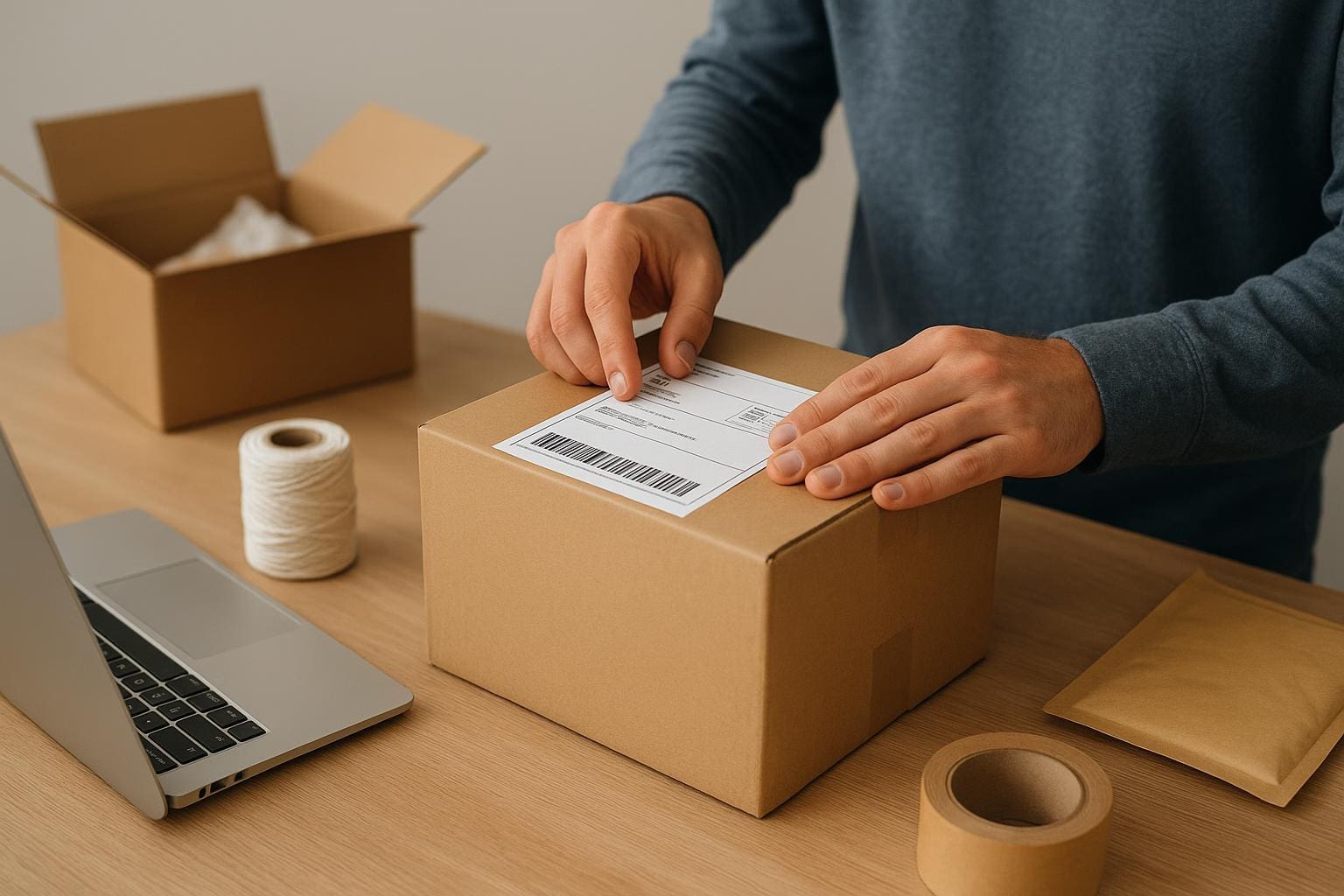
Also, pre-label and batch shipments where possible. Automation in packing reduces errors that lead to reshipments and extra fees.
#### Choose the Right Mix Of Services
Not every package needs overnight. Use economy ground services for non-urgent orders and reserve express for high-margin or time-sensitive shipments. Consider hybrid services that hand off to USPS for final mile on light parcels; those can be cheaper for low-weight items.
Low-cost shipping strategies for ecommerce often include transferring a slice of volume to regional carriers. Local carriers will sometimes offer better rates and more flexible pickup windows for certain ZIP codes.
### Price Shipping Smartly
Free shipping wins sales but can kill profits if applied flatly. Test thresholds: $49 free, $75 free, etc. Monitor conversion lift versus added shipping costs. For low-price items, consider charging for shipping or adding a small handling fee.
Transparent options work better than hidden costs. Show a “shipping savings” line when you offer free or discounted shipping. Customers notice value; they do not like sudden unexpected charges.
### Leverage Software And Automation
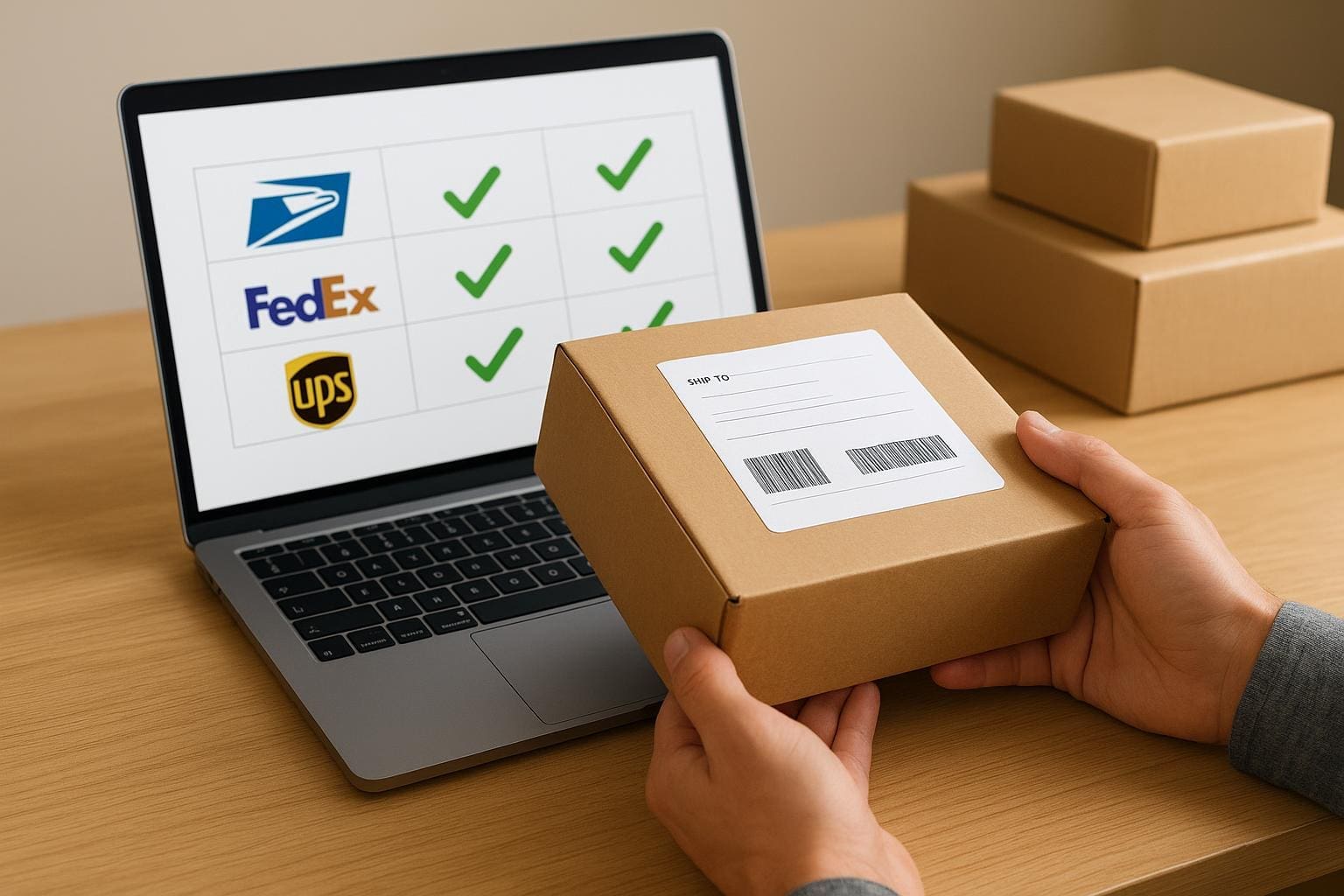
Shipping management platforms give you rate-shopping across carriers in one click. They also automate label printing, customs forms for international orders, and returns. That reduces staff hours and prevents human errors that inflate shipping costs.
Integrate your cart with shipping rules: auto-select the cheapest service that meets promised delivery time, or tag orders that qualify for discounted dimensions or pooling.
### Control Returns Without Losing Customers
Returns drive up overall shipping costs, especially cross-border. Make a clear returns policy, provide prepaid return labels only when necessary, and use local drop-off points to limit reverse logistics charges. For international returns, offer store credit or exchanges to avoid costly international return shipments.
A small wrinkle: require photos for returns only on selected categories. It filters frivolous returns and keeps your team from processing needless reshipments.
### Negotiate International Terms And Use Consolidation
International shipping is where surprise charges live: duties, brokerage fees, and remote area surcharges. Use Delivered Duty Paid for a predictable customer experience, but make sure you price those costs in. For lower-value shipments, consider ePacket or consolidated freight to keep fees down.
Consolidation hubs in your export country combine parcels into bulk shipments, lowering per-item cost. If you export to the same country frequently, test a consolidation run and compare landed cost per unit.
### Small Habits That Lower Shipping Costs
– Audit your carrier invoices monthly for errors; incorrect dimensional weights and duplicate fees are common.
– Train packers on weight estimation and packaging standards; small training removes recurring errors.
– Offer pickup points or local collection to shift last-mile costs when feasible.
Low-cost shipping strategies for ecommerce are not one dramatic move. They are dozens of small fixes that compound. Try one change at a time, measure the result, then lock it in or iterate. If you keep chasing incremental gains, the overall saving becomes meaningful and sustainable.
### When To Outsource Versus Build
If your team is swamped with shipping exceptions, returns, and carrier disputes, a 3PL or managed services partner may be cheaper than hiring full-time headcount. But if your catalog is complex and margins thin, retaining control of packaging and customer experience can be worth the extra effort. Evaluate total landed cost, not just per-label price.
Implementing low-cost shipping strategies for ecommerce doesn’t require a PhD in logisitcs. It requires attention, data, and the patience to test alternatives. Start small, document results, and scale what works. You’ll notice the margin improvements before sales slow down from delivery issues.