USPS Returns for Small Business Sparks Massive Savings

usps returns for small business

## Why Returns Matter More Than You Think

Returns are not just an accounting headache. For many small sellers they’re a recurring expense that eats into margins and clutters operations. Customers expect simple options, and the cheapest way to give that to them often starts with the post office on the corner. Using smart usps returns for small business workflows can tilt returns from a cost center into a controlled, almost predictable cost.

## USPS Returns For Small Business: A Practical Look

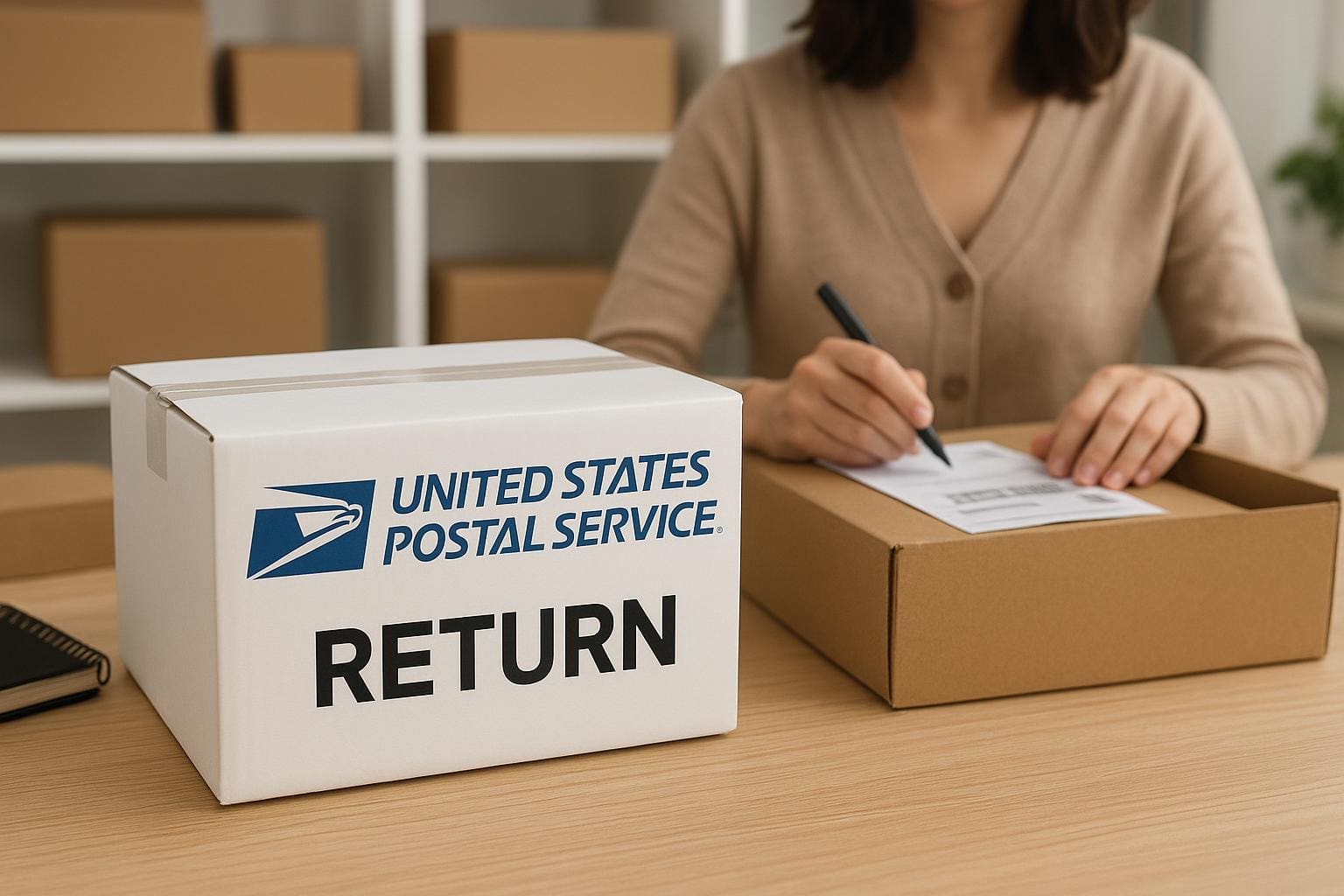
If you sell online and worry about the drain from returns, the phrase usps returns for small business should be on your radar. USPS offers tools that make prepaid labels, QR-code dropoffs, and tracked return routes available with minimal setup. That matters because convenience equals fewer customer service calls and faster turnarounds on refunds and restocks.

You don’t need an enterprise logistics team to make this work. You can generate a prepaid label from your seller dashboard or through a shipping partner. You can also give customers a QR code that they bring to a post office or a network dropoff point. Both options reduce the chance of lost packages and cut manual processing time.

### Lowering Costs With Prepaid Labels

Offering a prepaid label might sound expensive. It’s not always. Two practical moves typically produce savings:

– Negotiate a small-business rate through a shipping platform, then price your return method accordingly.
– Choose the right service level. A Priority label isn’t always required. First-Class or Parcel Select Return Service often does the job for clothing and small goods.

If you implement a consistent policy, you salvage labor costs. A returned item that comes back with a clean label and reliable tracking is faster to inspect, restock, and resell.

#### How To Use QR Codes And Labels

QR codes are underrated. Instead of emailing a PDF label that needs printing, send a QR code. The customer shows it at a post office or retail partner; USPS prints the label there. No printer? No problem. This reduces friction and can lower the rate of abandoned returns.

Practical steps:
– Offer a QR code alongside a printable label for customers who prefer either option.
– Alert the customer to retain their reciept or tracking number until the refund is processed.
– Flag returns that require inspection, so staff aren’t surprised when the package hits the processing table.

### Strategies To Reduce Return Shipping Costs

Reducing return shipping cost is partly about contracts, partly about policy design. Here are strategies that actually move the needle:

– Build tiered return options. Free returns for defective items; paid returns for buyer’s remorse. Clarity prevents disputes.
– Limit the return window where appropriate. Sixty or ninety days is often enough for most products.
– Encourage exchanges. Offer a discounted or free exchange to keep revenue spinning instead of issuing refunds.
– Use compact packaging guidelines for returns so you pay for the right size. Avoid offering a flat-rate box when a smaller envelope will do.

When you implement these, keep the customer experience in mind. A stingy returns policy that saves money but drives complaints will cost more over time.

## Managing USPS Returns Logistics

Make processing simple. A chaotic back room slows everything down and increases the cost of each return.

– Create a single drop zone for returned inventory and label it clearly.
– Have a checklist: inspection, restock decision, refund issuance, and system update.
– Train one person to handle exceptions like missing parts or damaged goods.

Automations help. Integrate your store with returns software that imports tracking info, indexes the reason codes, and updates inventory automatically. This reduces manual entry and human error. The less time your team spends copying tracking numbers, the more time they have to sell.

### Systems And Software That Help

You don’t need expensive enterprise software to get basic automation. Many affordable platforms connect to e-commerce stores and to USPS APIs. Use these to auto-create labels, batch shipments, and capture refund triggers.

Keep an eye on the data. Track reasons for returns and product-level return rates. If a single SKU has a return rate three times higher than others, you need to fix the product description, sizing guidance, or quality—not just process more returns.

#### Common Return Mistakes To Avoid

Don’t underestimate small errors. They compound.

– Mixing carrier labels leads to lost credits. If a return ships with the wrong label, you might not recover postage.
– Not reconciling tracking. If the customer claims the return was sent but tracking never updated, you need proof to deny a fraudulent refund.
– Failing to document condition. Take a photo at intake. It’s cheap insurance against disputes.

## Pricing And Financial Tactics

You can treat return costs two ways: pass them on or absorb them strategically. Which works depends on your product margin and customer lifetime value.

– If margins are thin, require a modest return fee on non-defective returns. Charge it transparently during checkout.
– For high-margin or subscription products, absorb returns as a cost of growth. Make returns frictionless and count on repeat purchases.
– Consider a return label fee that is deducted from the refund. Customers still have a clear path, and you protect margin.

Using usps returns for small business can also improve cash flow when you use return labels that the customer hands back rather than letting them choose their own carrier. Consolidating through USPS often simplifies accounting and reduces disputes about carrier liability.

### Measuring Real Savings

Track these metrics:
– Cost per return, including labor.
– Days until restock and relist.
– Refund ratio by product and by channel.

If implementing usps returns for small business drops your cost per return by $2 to $4 and cuts handling time in half, that’s real money. Multiply that across a month of returns and you’ll see why process fixes matter.

## Practical Onboarding Steps

If you’re ready to change how you handle returns, do this work in phases. Start with one product line. Test labels, QR codes, and your policy. Collect feedback. Expand when the process works.

Train customer service with scripts. They should explain the return flow clearly: where to get the label, how long refunds take, and how damaged items are handled. Scripts reduce variance and speed up resolution.

Keep experimenting. Offer the option for in-store returns if you have a physical location; that can slash return shipping costs to nearly zero for local customers. If you use third parties, regularly review their performance and costs.

End with a practical rule: if a change saves time or reduces uncertainty, try it. The goal of usps returns for small business isn’t to eliminate returns—they’re part of modern commerce—but to make them predictable, cheaper, and less painful for your team and customers.
Best Practices Including Return Labels In Orders Online

including return labels in orders

## Why Including Return Labels In Orders Improves Customer Experience

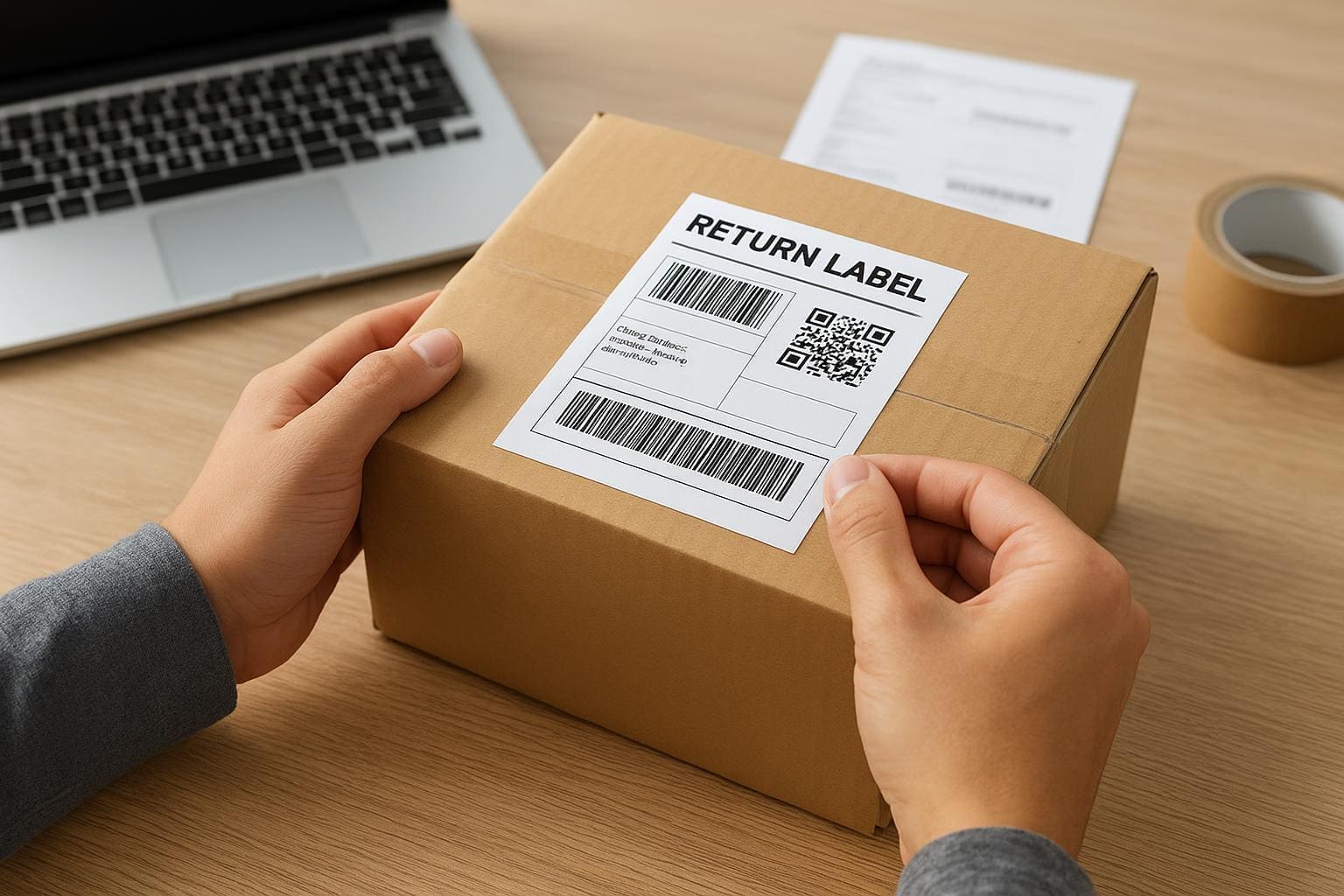
If you want fewer angry emails and more repeat buyers, start with the basics: make returns painless. Including return labels in orders removes a barrier that often stops customers from buying in the first place. When a buyer sees a return label already in the box, they feel safer trying new things. That confidence translates into higher conversion rates and lower friction at the first point of contact.

### Make It Clear What Type Of Return Label You’re Using

Not all return labels are the same. Prepaid labels mean you cover the postage. QR-code labels let customers print at home. Return-to-store labels route items back to a physical location. Decide which option fits your margins and brand promise, and document it on the packing slip. If you’re including return labels in orders, note whether postage is deducted from refunds or fully covered up front.

### Practical Steps For Integration

Label software and fulfillment workflows need tweaks, not a full rebuild. Here’s what works in practice:
– Generate return labels when the order ships, and include them in the same packing station.
– Put a small card explaining the steps: how to affix the label, where to drop the package, or how to scan the QR code.
– Attach return-tracking numbers to the original order record so customer service can see the inbound movement.

## Operational Benefits Of Including Return Labels In Orders

Returns can be expensive, but they also create data. When you handle returns proactively, you collect information about why products come back and how quickly they’re processed.

### Reduce Customer Service Time

When a return label is present, customers call less. The fewer steps they must take, the fewer support tickets you’ll see. Customer service reps spend time on exceptions: international returns, damaged items, or worn merchandise. The common cases are handled automatically when you include a return label in the box.

#### Keep Your Warehouse Workflow Lean

Plan the routing of return shipments so they return to the nearest processing center. This cuts transit time and lowers cost per unit. If you use regional hubs, set up label logic to choose the closest location. That way your shipping labels aren’t sending packages back across the country for no reason.

## Pricing Strategies And Cost Controls

Deciding who pays matters. Some retailers offer free returns to compete; others charge a fee or deduct shipping from the refund. Both choices send a message. Make sure your policy matches the product price point and margin.

### Pricing Examples That Work

Low-margin, high-volume categories often need strict rules. For example, a clothing brand might absorb a small flat fee to boost conversions on new styles. A furniture company might require returns at the customer’s expense, since freight costs are high. If you’re including return labels in orders, model the cost per return in your unit economics and adjust the policy accordingly.

## How To Reduce Fraud And Abuse

Return fraud is real. Include simple safeguards without making the return process painful for honest customers. Use return windows, require original packaging for certain products, and flag accounts with excessive returns. When you include return labels in orders, tie each label to the order number and validate returns against purchase history in your system.

### Use Technology To Track And Verify

Barcode scans and photo uploads accelerate validation. Customers can scan the shipping labels to start the return, and the system can cross-check weight and SKU information. If the inbound package doesn’t match the original shipment, the return goes to a manual review queue. That saves time and reduces losses.

## Design And Environmental Considerations

Paper return labels create waste. If sustainability matters to your customers, offer a digital return label option. A QR code printed on a small card or the packing slip lets the customer generate a postage-paid label at home, or drop the item at a partner location. You can still include a preprinted label for convenience, but offering choices reduces returns-related trash.

### Packaging Tips That Make Returns Easier

Use a single-sided packing slip that folds into a small envelope for the label. Include clear placement instructions so customers don’t cover tracking bars with tape. If you’re including return labels in orders, make sure they’re easy to find—tucked under the invoice or housed in a dedicated sleeve to avoid getting lost with bubble wrap.

## Measuring Success With Returns Data

Track the full lifecycle: label issued, package picked up, arrival at processing center, inspection, refund completed. Those metrics show whether including return labels in orders is worth the cost. Watch for improvements in conversion, decreases in support volume, and reductions in inspection time. Use that data to iterate your policy and the type of return label you provide.

### Quick Metrics To Start Watching

Look at return rate by SKU, time-to-refund, average cost-per-return, and repeat returners. Tie those figures back to marketing campaigns and product descriptions. Often a small change in copy reduces mismatch returns more than changing the label itself.

Reciept of returns should be predictable. When it is, you can make smarter choices about inventory, pricing, and customer communication—so the next sale feels less risky for everyone involved.

Prepaid Return Label Vs Customer Paid Return Explained

prepaid return label vs customer paid return

## Prepaid Return Label Vs Customer Paid Return Explained

The moment a package heads back down the conveyor belt, a quiet tug-of-war begins between convenience, cost, and customer sentiment. In the e-commerce symphony, the decision between a prepaid return label vs customer paid return is a conductor’s baton: subtle, powerful, and capable of changing the whole performance. This article explores both options like a storyteller with a spreadsheet — imaginative in framing, precise in the remedies.

### The Two Paths: How They Differ

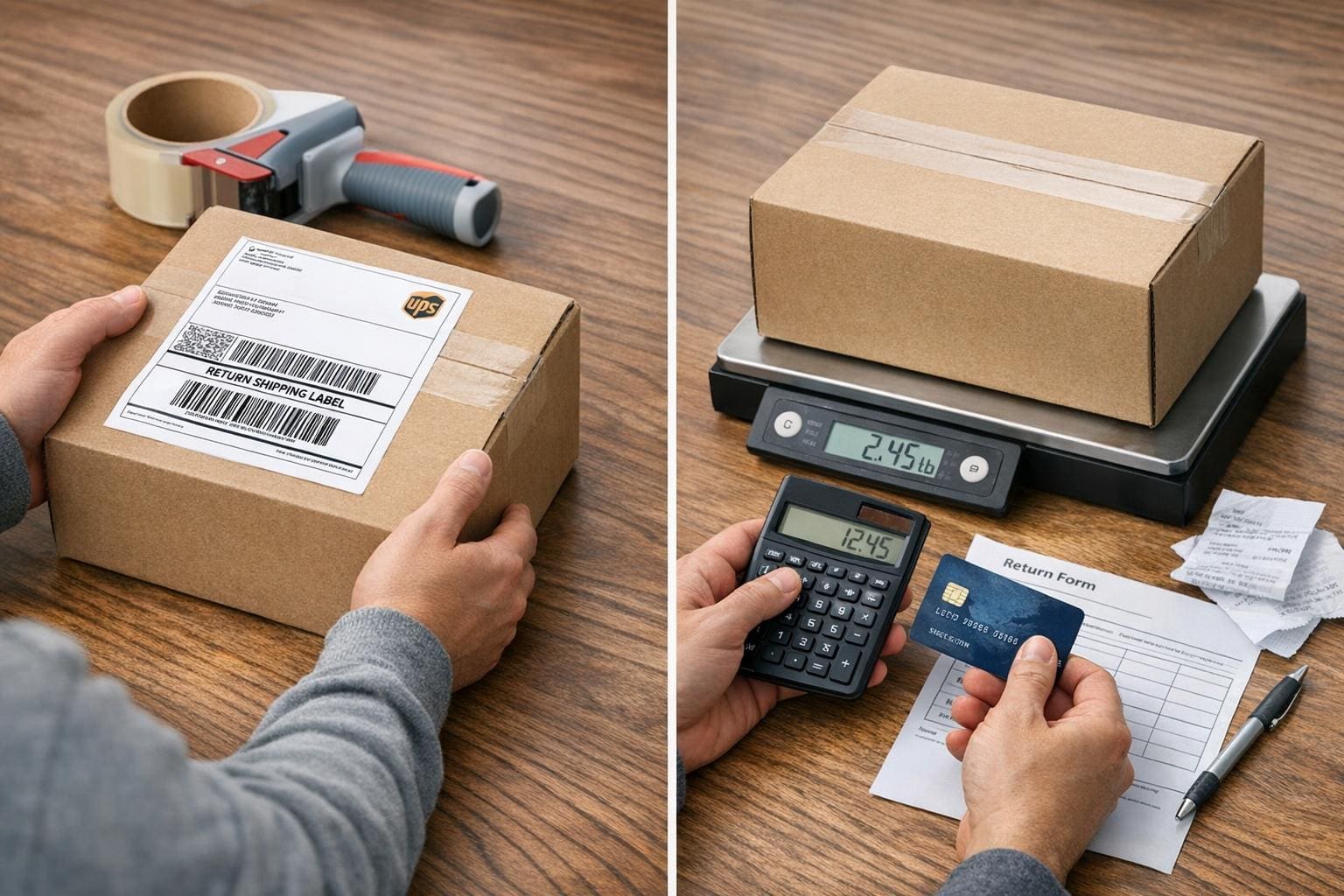
Imagine two travelers returning home. One carries a ticket already paid for; the other must buy a fare at the station. A prepaid return label is that prepaid ticket—no stop at checkout required. A customer paid return is the traveler who pays upfront at drop-off or through the carrier portal.

Prepaid return label vs customer paid return therefore boils down to who shoulders the return costs and who controls the experience. Sellers pick prepaid labels to streamline returns and boost conversion; customers sometimes prefer the flexibility of paying only when necessary. Each path has trade-offs that ripple through logistics, brand perception, and accounting.

### Who Pays, Who Wins, And Who Loses

– Merchants offering a prepaid return label often see higher repeat purchases and improved net promoter score because returns feel frictionless. They also absorb the return costs and must manage label procurement and reconciliation.
– When customers pay returns, the seller saves on return costs but may endure higher friction, lower conversion, or negative reviews. Customers may feel penalized unless the policy is clearly stated or offsets are provided (discounts, store credit).

These dynamics influence everything from cart abandonment to inventory velocity. Consider the psychology: a prepaid return label removes the perceived risk of buying. A customer paid return transfers that tiny bit of risk back to the shopper.

### Operational Differences That Matter

#### Logistics And Processing

A prepaid return label standardizes the return path: specific carriers, return depots, and preapproved shipping dimensions. This predictability reduces processing time, lowers misrouted packages, and helps front-line staff process refunds or exchanges faster. On the flip side, customer paid return flows are more variable — different carriers, label formats, and variable transit times — which can increase labor and processing errors.

#### Accounting And Refund Flow

With a prepaid return label, the seller orders and pays for postage in advance, which shows up as shipping expense and requires tracking reconciliation. With customer paid return, refunds can be processed faster in some systems because the merchant doesn’t need to wait for postage reconciliation, but disputes can be common if the customer uses an unauthorized carrier.

#### Customer Experience And Brand Perception

The presence of a prepaid return label often signals confidence in product quality. The merchant is effectively saying, “Try it — returns are easy.” A customer paid return can be fine in markets where consumers expect to pay returns or for categories with low return rates, but it can deter purchases for high-return items like apparel.

### When To Offer Each Option

Offer a prepaid return label when:
– Item category has high return intent (apparel, footwear).
– You’re pursuing lifetime value and repeat purchase.
– You want to reduce customer support friction.

Consider customer paid return when:
– Items are low value and returns are rare.
– Margins are thin and return costs would erode profitability.
– You’re selling to a price-sensitive audience that expects lower initial prices.

## 1. Remedy: How To Implement A Balanced Prepaid Return Strategy

When the remedy is to make returns easier without blowing margins, you need a disciplined approach. Below are required materials and a step-by-step implementation plan to create a sustainable prepaid return policy.

#### Required Materials
– Return Management Software (RMS) or an integrated e-commerce returns module
– Negotiated carrier contracts or multi-carrier postage API access
– Analytics dashboard for returns and reverse logistics
– Clear written return policy and customer-facing templates
Budget allocation for return costs and contingency

#### Step-By-Step Implementation
1. Audit historic returns data to identify high-return SKUs, return rates, and root causes.
2. Negotiate carrier rates or integrate a postage API to obtain discounted prepaid return label pricing.
3. Configure your RMS to auto-generate prepaid return labels for eligible orders (set thresholds by SKU, price, or customer segment).
4. Design the customer touchpoints: email, packing slip, and an easy self-service portal where the prepaid return label is instantly available.
5. Create guardrails to prevent abuse: limit the number of free returns per year, require return reason selection, or offer store credit instead of refunds for frequent returners.
6. Monitor return costs and customer satisfaction KPIs weekly for the first quarter, then monthly.

This formal, stepwise remedy aligns cost control with customer experience and ensures return costs are tracked and optimized.

### The Cost Equations: Simple Models

Calculating the break-even point for offering prepaid return labels requires modeling average order value, return rate, and refund processing costs. A simplified formula:

Expected Annual Return Cost = Average Return Cost Per Order × Number of Orders × Return Rate

If offering a prepaid return label raises conversion or repeat purchase sufficiently to increase revenue per customer above the incremental expected annual return cost, it’s often justified.

Return costs are not only postage. Factor in restocking, inspection, repackaging, and potential resale discount. When you include these, the economics of prepaid return label vs customer paid return shift.

### Addressing Abuse Without Alienating Customers

Prepaid labels can be abused (wardrobing, frequent returns). A humane and legal way to curb misuse includes:
– Clear return limits in policy language.
– Time-bound eligibility (e.g., return within 30 days).
– Incentivizing exchanges or store credit.
– Implementing lightweight fraud detection: flagging repeated returns or pattern behavior.

Be formal in enforcement: communicate policy changes, give warnings, and escalate only when necessary to preserve goodwill.

### UI And Messaging Best Practices

How you present the option matters. Labels that say “Free Returns” should be accurate. If you subsidize postage partially, be explicit: “Free Returns On Orders Over $50” or “Prepaid Return Label Provided For First Return.”

A simple design for the returns portal that offers a few clicks to print the prepaid return label reduces friction. If you adopt customer paid returns, embed a shipping cost estimator so customers can see return costs upfront — this honesty reduces surprise and returns-related disputes.

## 2. Remedy: Implementing A Customer Paid Return Workflow That Keeps Customers

If you must shift to a customer paid return model to protect margins, treat it as a service design exercise rather than a cost-pass. Below are required materials and a formal rollout plan.

#### Required Materials
Shipping rate calculator embedded in product pages and returns portal
– Clear policy language posted and added to checkout
– Optional subsidized partial-credit vouchers for first-time returns
– Customer service scripts and training for explaining return costs
– Analytics to track conversion impact and complaints

#### Step-By-Step Implementation
1. Test messaging variations: “Customer Paid Returns” vs “Customer Covers Return Shipping” vs “Affordable Return Rates.”
2. Add a return costs estimator on product pages and in checkout to set expectations pre-purchase.
3. Roll out the customer paid option in a limited geography or product category to test impact on sales and returns.
4. Offer a hybrid option: paid returns for low-margin items, prepaid for high-margin or high-return categories.
5. Provide one-time vouchers or discounts to customers affected by higher return costs to maintain long-term loyalty.
6. Review KPIs (conversion, return rate, complaints) and iterate messaging and mechanics.

Be formal in tracking the financial impact; a small negative change in conversion due to customer paid returns can swamp short-term savings in postage.

### Measuring Success: Metrics To Watch

– Return Rate (by SKU and cohort)
– Net Promoter Score or CSAT related to returns
– Cost Per Return (postage + handling + restocking)
– Repeat Purchase Rate for customers who used prepaid labels vs customer paid returns
– Abuse Rate or high-frequency return accounts

When you combine these metrics, you’ll see whether prepaid return label vs customer paid return drives lifetime value or merely shifts costs.

### Legal And Regulatory Considerations

Some jurisdictions have rules about return windows and obligations. Maintain transparent documentation and ensure your practice aligns with consumer protection laws. Include clear instructions on who bears the return costs in the terms of sale.

### The Emotional Equation

Beyond spreadsheets, returns are emotional touchpoints. A prepaid return label can transform a frustrating experience into a moment of reassurance; a customer paid return can create friction that lingers. By aligning the chosen approach with brand values and cost realities, merchants can strike a balance between fairness and fiscal prudence.

(End of article — no summary provided.)