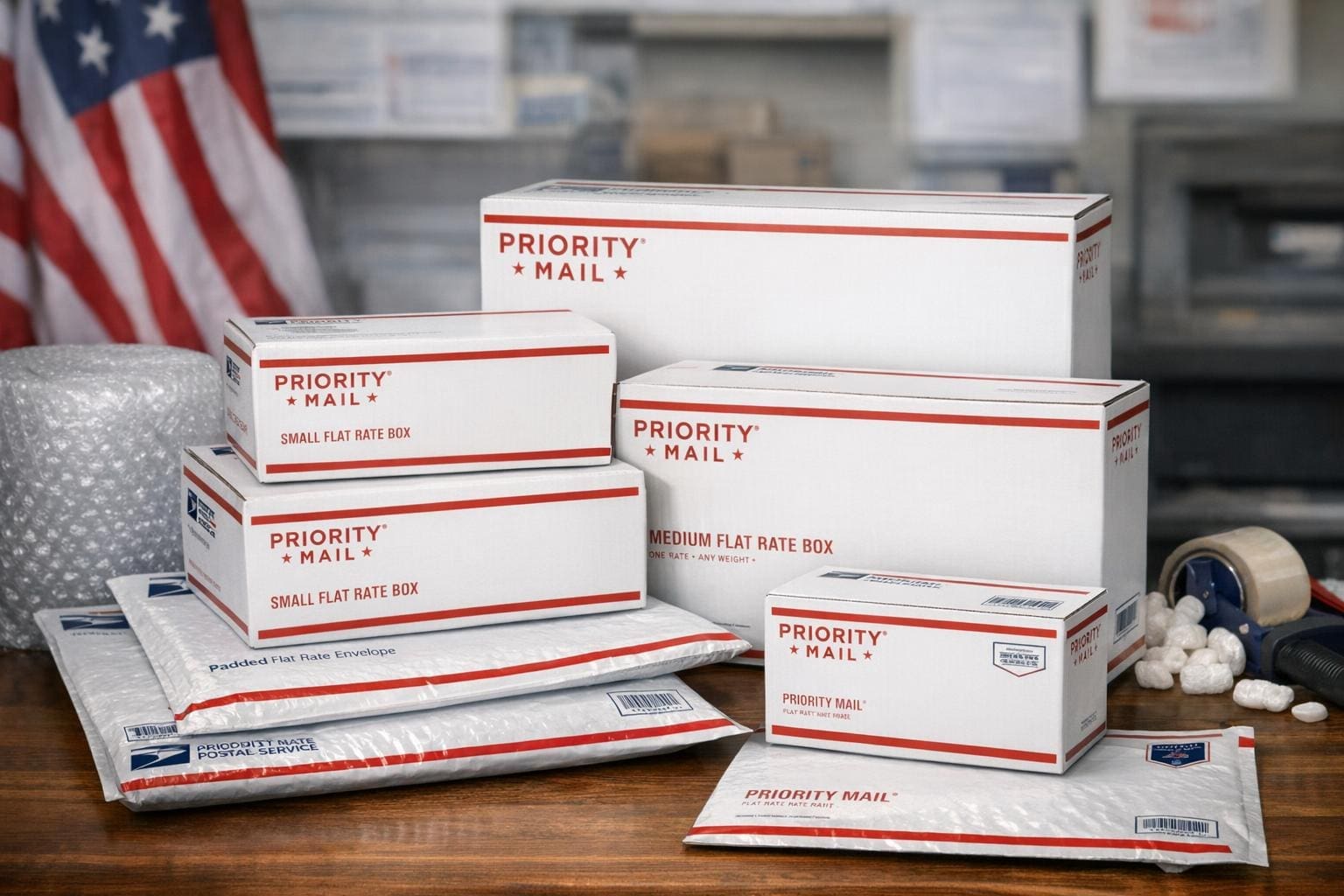
Prepare to have your shipping world upended — usps box sizes explained in a way that makes accountants weep and bargain hunters roar. If you thought a box was just a box, buckle up. This sensational reveal peels back the curtain on the USPS universe and uncovers jaw-dropping flat rate secrets that save time, money, and sanity.
## USPS Box Sizes Explained: The Shocking Truth About Flat Rate Boxes
You’ve been lied to by pricing tables and confusing size charts. When you hear the phrase usps box sizes explained, most people imagine a tidy list of small, medium, large. But the moment you master how USPS defines volume, weight limits, and the strategic use of flat rate boxes, you unlock shipping hacks that border on scandalous brilliance.
### Why Size Definitions Make Or Break Shipping Costs
USPS doesn’t just sell boxes — it sells rules. A seemingly tiny increase in dimensions can move your parcel from a “free” flat rate box to a costly zone-based fee. Understanding usps box sizes explained means recognizing that dimensions, weight, and service type (Priority, Priority Express, Retail Ground) interact like a complicated machine. Use the wrong combination and you pay. Use the right one and you exploit predictable, highly favorable pricing.
### The Anatomy Of Flat Rate Boxes And Their Hidden Levers
Flat rate boxes are a merchant’s jackpot because they decouple weight from price (up to 70 lbs in most cases). But not all flat rate boxes are equal. USPS offers a suite of options: small, medium (two styles), large, and more specialized envelopes. Learning which product to use for which content is the real art—this is where “usps box sizes explained” becomes a superpower, not trivia.
## How The USPS Size System Actually Works (And What They Don’t Tell You)
The USPS broadly divides packaging into carrier-provided boxes (including flat rate boxes), regional rate boxes, and customer-supplied boxes subject to dimensional weight. The bloodless explanation: carrier boxes often have pricing perks; customer boxes pay by weight and zone unless dimensions trigger dimensional-weight pricing. Sensationally, a single mismeasured inch can cost you double.
### Common Box Types You’ll Encounter
#### Flat Rate Boxes: Small, Medium, Large
Flat rate boxes come in clear-cut shapes. Use small flat rate boxes for dense, heavy items under the box’s interior capacity. Medium flat rate boxes are shockingly versatile: one style is shallower (better for compact electronics), the other is taller (great for bundled pet supplies). Large flat rate boxes swallow bulky but light items that would otherwise trigger size-based surcharges.
#### Regional And Priority Mail Boxes
Regional rate boxes apply when you ship shorter distances; they can outperform flat rate boxes for heavy-but-short-range shipments. Priority Mail retail boxes and customer-supplied boxes compete on different axes: weight for the former, dimensional weight for the latter.
## 2 Remedies For Shipping Pet Essentials Safely And Economically
In my work I test countless DIY packing remedies for pet supplies and meds. Below are two formal, practical remedies for protecting pet essentials when using USPS packaging. These remedies include required materials and step-by-step creation and application instructions so you can execute without drama.
### Remedy 1: Padded Liner For Fragile Pet Supplies In Flat Rate Boxes
#### Ingredients / Required Materials
– Small or medium flat rate boxes (choose based on item footprint)
– 1 roll of bubble wrap (medium bubble)
– 2–3 sheets of corrugated cardboard (to create internal dividers)
– 1 roll of packing tape
– Scissors or box cutter
– Optional: packing peanuts or crumpled kraft paper for void fill
#### Step-by-Step Creation And Application
1. Select the Correct Box: Choose a flat rate box that accommodates the largest single item without forcing deformation. Confirm interior dimensions.
2. Prepare Cardboard Dividers: Cut cardboard to create a base layer and vertical dividers that prevent internal shifting. Fit them snugly into the box bottom.
3. Wrap Items Securely: Wrap each fragile item (med bottles, glass pet supplements, breakable toys) in at least two layers of bubble wrap. Tape the bubble wrap to secure.
4. Arrange Items On Base Layer: Place heavier items on the box bottom, lighter and fragile items on top, using dividers to separate. Keep items from touching the walls directly.
5. Fill Voids: Use packing peanuts or crumpled kraft paper to completely fill any remaining voids. This prevents movement during transit.
6. Final Insulation Layer: Add a top cardboard layer if you’ve used two-sheet dividers; this disperses pressure. Close and tape the box with H-taping across all seams.
7. Label And Insure If Needed: Clearly mark contents as fragile if the service allows, and purchase insurance for high-value items.
This remedy is precise: follow the steps to reduce breakage and make the most of flat rate boxes’ weight-independent pricing.
### Remedy 2: Emergency Pet First Aid Kit Packaged For Priority Mail Safety
#### Ingredients / Required Materials
– Small flat rate box or Priority Mail box (depending on kit size)
– Sealable plastic bags (various sizes)
– Small roll of medical tape and gauze
– Digital thermometer (pet-safe)
– Activated charcoal tablets (for ingestion emergencies) — vet-approved use only
– Tweezers, alcohol wipes, disposable gloves
– Small flashlight and extra batteries
– Instructions card laminated or sealed in plastic
– Packing tape and a single-sheet protective foam
#### Step-by-Step Creation And Application
1. Choose The Right Box: For a compact first aid kit, a small flat rate box can be ideal; it’s cheap, compact, and standardized.
2. Organize Supplies Into Bags: Sort items into purpose-specific sealed bags (wound care, ingestion, tools). This prevents spills and keeps the kit usable after partial use.
3. Protect Liquids And Breakables: Place any vials or fragile items in the center, cushioned by foam and surrounded by the sealed bags.
4. Add Instruction Card: Include a laminated instruction card with step-by-step emergency actions and vet contact information. Seal the card in a plastic bag to keep it dry.
5. Seal And Label: Place the kit in the box, add minimal void fill to prevent jostling, close the box, and apply H-taping. Label as “Pet First Aid Kit — Handle With Care” if you prefer.
6. Choose Shipping Service: If time-sensitive, select Priority Mail with tracking and insurance options. Flat rate boxes may offer predictable pricing, but check transit times to ensure the kit arrives when needed.
These remedies are designed for real-world application and provide clear, formal steps for preparation and safe shipping.
## Insider Tricks To Maximize Savings With USPS Box Sizes
### How To Choose Between Flat Rate Boxes And Other Options
The secret is comparison. For long-distance heavy shipments, flat rate boxes often win. For heavy but short-distance deliveries, regional rates can slice prices drastically. Always compare: weigh your parcel fully, note dimensions, then run a quick online comparison between flat rate boxes and zone-based pricing. This simple habit leverages the very principle behind usps box sizes explained: price is not a single variable game.
### Free Boxes, Stacking Strategies, And The Weight Trap
USPS provides free flat rate boxes—use them. But beware: stuffing a box inefficiently turns weight into wasted money. Sensational tip: stacking smaller items smartly can often let you use a smaller flat rate box and still fit more volume than a misused larger box.
## Common Mistakes That Make People Overpay (And How To Fix Them)
### Measuring Errors And Dimensional Weight
A rookie mistake is underestimating dimensional weight. If your package is large but light and you use your own box, dimensional weight can override actual weight and skyrocket costs. The fix: when in doubt, use a flat rate box that protects you from dimensional surprises. This is the central revelation when usps box sizes explained becomes less an explanation and more a strategy.
### Ignoring Service Restrictions
Certain items require specific packaging and labeling. Shipping pet medications or supplements can involve legal and service restrictions. Always verify permitted contents before shipping—and when in doubt, consult USPS guidelines or call customer support to avoid returns and fines.
## Mind-Blowing Hacks That Shipping Veterans Use
### Consolidate To Save
Combine multiple small pet items into a single well-padded medium flat rate box instead of multiple small shipments. Consolidation reduces per-item handling fees and often drops your total spend.
### Time Your Shipping For Promotions
USPS occasionally runs promotions or partners with platforms that provide discounted labels. Pair these promotions with strategic box choices to amplify savings—this is where the most jaw-dropping flat rate secrets live.
## Final Practical Checklist Before You Drop Off
– Measure internal box dimensions to ensure a snug fit.
– Weigh your package and simulate cost using both flat rate boxes and zone-based pricing.
– Double-wrap breakables, and use void fill to prevent moving.
– Choose the most appropriate USPS service and purchase insurance if necessary.
– Print clear return addresses and validate recipient details; nothing wastes a day like delivery errors.
Hitch your strategy to the facts: usps box sizes explained isn’t just an article title — it’s the key to turning monstrous shipping fees into predictable routine savings.