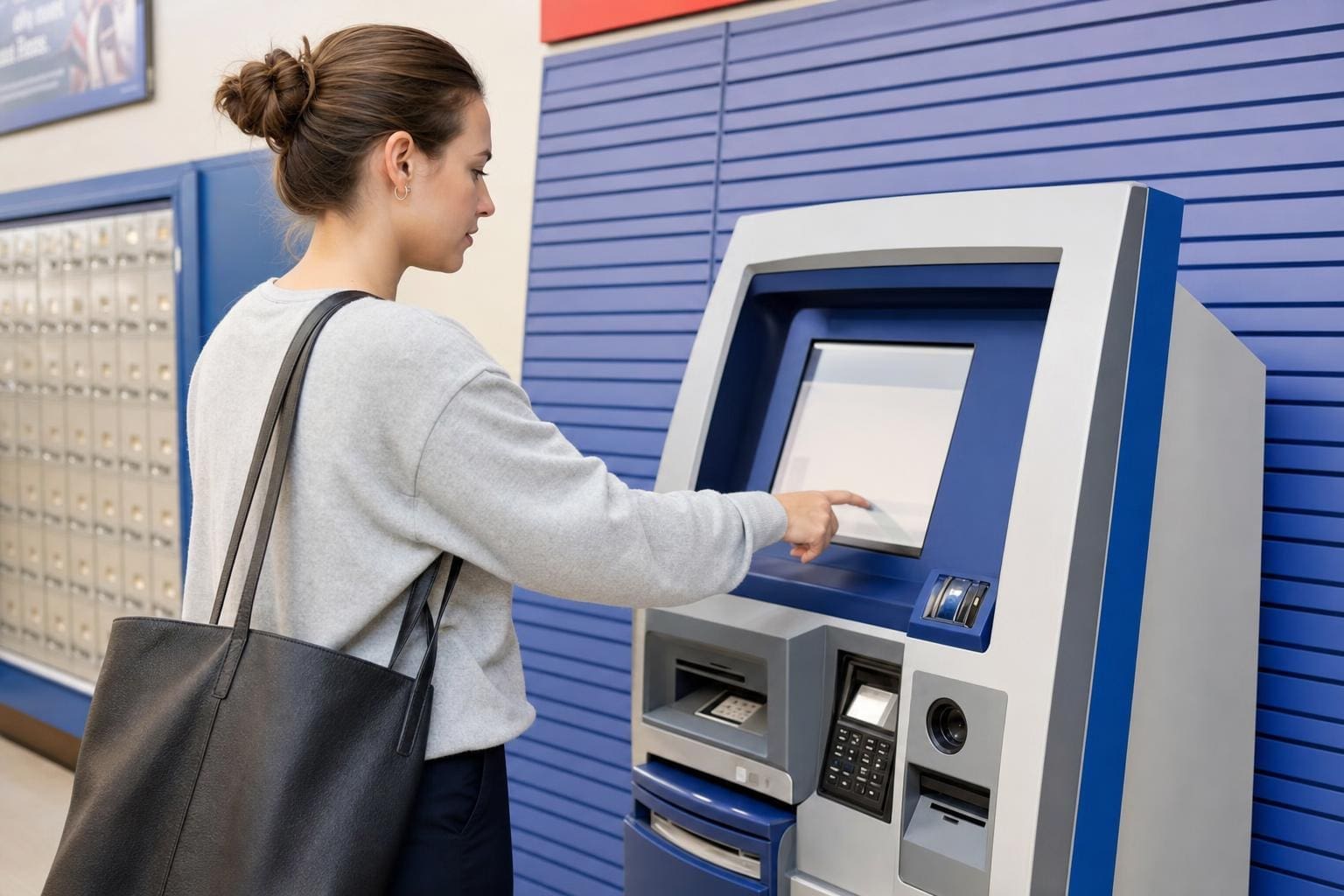
USPS Package Tracking Guide A Clear Way To Follow Shipments

usps package tracking guide

Start with the tracking number. No tracking number, no tracking, and no reassurance. If you ship anything through USPS or expect a delivery, the tracking number is the small string that makes the whole process visible. Treat it like a ticket number at the doctor’s office; keep it handy, and don’t trust screenshots that you can’t find again.

## USPS Package Tracking Guide: Tools And Tips
If you want clear, practical steps, this USPS package tracking guide does that without fluff. I’m going to show where to find tracking numbers, how to read what the updates actually mean, and what to do when the scan trail stops making sense. These are the things that save time: where to click, what words to look for, and when you should call someone.

### Where To Find Your Tracking Number
The tracking number is printed or emailed in a few predictable places:
– The printed receipt you get at the post office or when a carrier accepts a pickup.
– The seller’s shipping confirmation email or order page when you buy something online.
– The barcode label stuck to the package itself. If you’re shipping, take a photo before the box leaves your hands.

Tracking numbers come in several formats: 20–22 digits for Priority Mail, 12 digits for some services, and alphanumeric for others. If you don’t see it, check the order confirmation. If that’s missing, ask the sender for the number before the package ships. It cuts out a lot of guesswork.

### How To Use The USPS Website
Enter the number at tools.usps.com or on the main tracking page. Paste, don’t type. A stray character will send you in circles. The site shows a timeline of scans with locations and timestamps. If you have several numbers, use the bulk tracking feature to see them side by side.

The USPS site also offers delivery notifications and email alerts. Sign up if you’re waiting on something important. For sellers, the website gives you shipping history and proof of delivery you can download. That’s useful when you need to show a customer the exact time and place a package was delivered.

### Using The USPS Mobile App And Third-Party Services
The USPS mobile app does most of what the website does, but it’s quicker for push notifications. If you’re tracking many shipments, third-party apps can consolidate numbers from multiple carriers into one feed. That’s handy if you buy from several marketplaces and don’t want to hop between sites.

But be cautious: third-party services sometimes misread a status or misattribute a scan. When in doubt, cross-check with usps tracking on the official site. The official record is what matters for claims or disputes.

## Reading A Tracking Update
A lot of surprises come from misreading the timeline. People see “Arrived at Unit” and assume the package is out for delivery. Not always. Learn the terms and what they imply for timing.

### Common Statuses And What They Mean
Accepted At USPS Facility: The package was received and entered the system. It may still be days away from the destination.
Arrived At Unit: It’s at the local post office that will do the final delivery. This can mean a same-day delivery or it could sit overnight depending on routing and staffing.
Out For Delivery: The driver should have the package and intends to deliver today. If you see this late in the afternoon, it can still arrive by evening.
Delivered: The system shows where and when the carrier marked the package delivered. If it says delivered and you don’t have it, check porches, side gates, neighbors, or secure drop spots.
Unavailable, or No Scan Available: Sometimes a package moves without scans. This stretches patience, but the scans usually catch up within a day or two.

A lot of people see “In Transit To Next Facility” and panic. Don’t. It’s usually routine movement. The scans are less interesting than the pattern. If a package has been “In Transit” for an unusually long stretch, start asking questions.

#### Exception And Delayed Packages
Exceptions are the only status you should treat as an active problem. Examples: Address Not Found, Damaged In Transit, or Weather Delay. Each exception should come with a note. If it doesn’t, call your local post office and ask for the most recent scan. If the note says “Refused” and you didn’t refuse, that’s a red flag to pursue further.

If the scan trail shows nothing new for several days and the sender says it was properly mailed, file a missing mail request or open a claim when appropriate. The USPS has a Missing Mail Search feature that can be started online; it helps staff look for the item before you escalate to a claim.

## Fixing Problems: Lost Or Late Packages
You don’t need to wait around helplessly. There are concrete steps and the right sequence matters.

### First Steps When The Status Stops Making Sense
1. Double-check the tracking number. Typos are surprisingly common.
2. Confirm the delivery address with the sender. Wrong house, wrong city—these happen.
3. Ask neighbors and look around likely hiding spots. Many carriers leave packages in a spot they think is safe.
4. Call the local post office shown in the latest scan. They can open a local trace or check shipments in the back room.
5. If the item was insured or shipped as Priority Mail Express, file a claim. For uninsured domestic Priority Mail, you may need to coordinate the claim through the sender.

If the shipment was from a retailer, open a case with them. Retailers usually have a process that can be faster than filing a claim through USPS yourself. Keep screenshots of the tracking page and any relevant emails.

### Filing A Missing Mail Search Or Claim
Use the official forms on the USPS website. A Missing Mail Search is a request to physically look for the item. A claim is for reimbursement on insured packages. When you file anything, include:
– The tracking number
– The mailing date and method
– A description of contents and approximate value
– Proof of insurance or purchase if applicable

Expect back-and-forth. The process can be slow, but organized documentation speeds it up. If you file a claim, keep receipts and photos of the damaged item if that’s the issue.

## Tips To Make Tracking Reliable
Small changes in how you ship or receive make a big difference in how useful tracking is.

### Simple Shipping Habits That Help
– Always write the full address and include an apartment or unit number. No abbreviations alone.
– Use a clear return address. If delivery fails, that’s how it comes back.
– Take a photo of the label after you seal the box. If it peels off, you still have proof.
– Choose services with scans at delivery if you need confirmation, like signature-required options for high-value items.

Keep your tracking numbers in one place. I use a single note on my phone for active shipments. When tracking shows “Out For Delivery,” I don’t assume it will appear before dinner. I check windows cameras or move closer to the door if necessary.

### Privacy And Security Considerations
Tracking links in emails can be useful, but treat them cautiously. Scammers send fake tracking emails that mimic USPS branding and ask you to click dubious links. If an email asks for personal information or payment to release a package, it’s a scam.

Instead, copy the tracking number from the email and paste it into the official usps tracking page. That way you avoid malicious links. Also, don’t post tracking numbers publicly. They reveal delivery details and sometimes full names and addresses.

## What To Expect With International Shipments
International tracking is patchier. USPS hands the package off to the destination country’s postal service. The last complete scan might be the one leaving the U.S. or the one arriving in the other country. After that, the visibility depends on the partner postal system.

If you’re sending internationally, allow extra time and set expectations with the recipient. Use shipping methods with clearer international tracking, or pay for services that include end-to-end scans.

### When The Delivery Address Is Wrong Or Needs Updating
If you notice an address error right after shipping, contact the post office immediately. Depending on the timing, they may be able to intercept or redirect the package. There’s a fee for some services like USPS Package Intercept, and it only works under certain conditions, but it can save a lost shipment if you act quickly.

Acting fast is the recurring theme here. Once a package leaves the original facility, options narrow. If you’re a seller, you can often intercept or reroute before final scans. If you’re a buyer, push the sender to act on your behalf if you can’t.

## How Retailers And Sellers Should Use Tracking
Sellers need to use tracking as part of customer service, not just logistics. Send the number immediately after the item ships and keep updates coming if there’s a delay. If you get a tracking notice that’s confusing, contact USPS yourself and relay clear, sourced information to the buyer.

Above all, be proactive. Customers appreciate a quick note that an item is delayed and why, along with what you’re doing about it. That’s better than silence and a frustrated buyer opening a dispute.

Keep in mind that tracking isn’t just a number on a page. It’s the story of a package moving through a system. Read the story, check the timestamps, and use the right tool for the right moment. This usps package tracking guide is designed to make that story easier to follow and to point you toward sensible next steps when the trail goes cold.

The most common mistake is waiting too long to act. If you want to avoid that, store your numbers, monitor the scans, and don’t be shy about calling the post office when something looks off. You’ll save time and, often, money in the long run.

If you prefer the app route, install the official USPS app and enable push notifications. That puts delivery status on your lock screen rather than buried in email. And remember: when a seller or carrier says “delivered” but you don’t have the package, contact the seller and initiate a search immediately. A few minutes can make the difference between an easy retrieval and a long claim process.

This usps package tracking guide doesn’t promise perfect visibility. But it does give a clear, practical way to follow shipments end to end and to respond effectively when they don’t behave as expected. Treat tracking numbers like small tasks to manage, not mysteries to tolerate, and you’ll have fewer headaches.

If you ever recieve a scan that makes no sense, keep notes of who you talked to and when. Those small details matter when you escalate the issue. They make the difference between a missing package that’s found and one that becomes a permanent problem.

Best Practices Including Return Labels In Orders Online

including return labels in orders

## Why Including Return Labels In Orders Improves Customer Experience

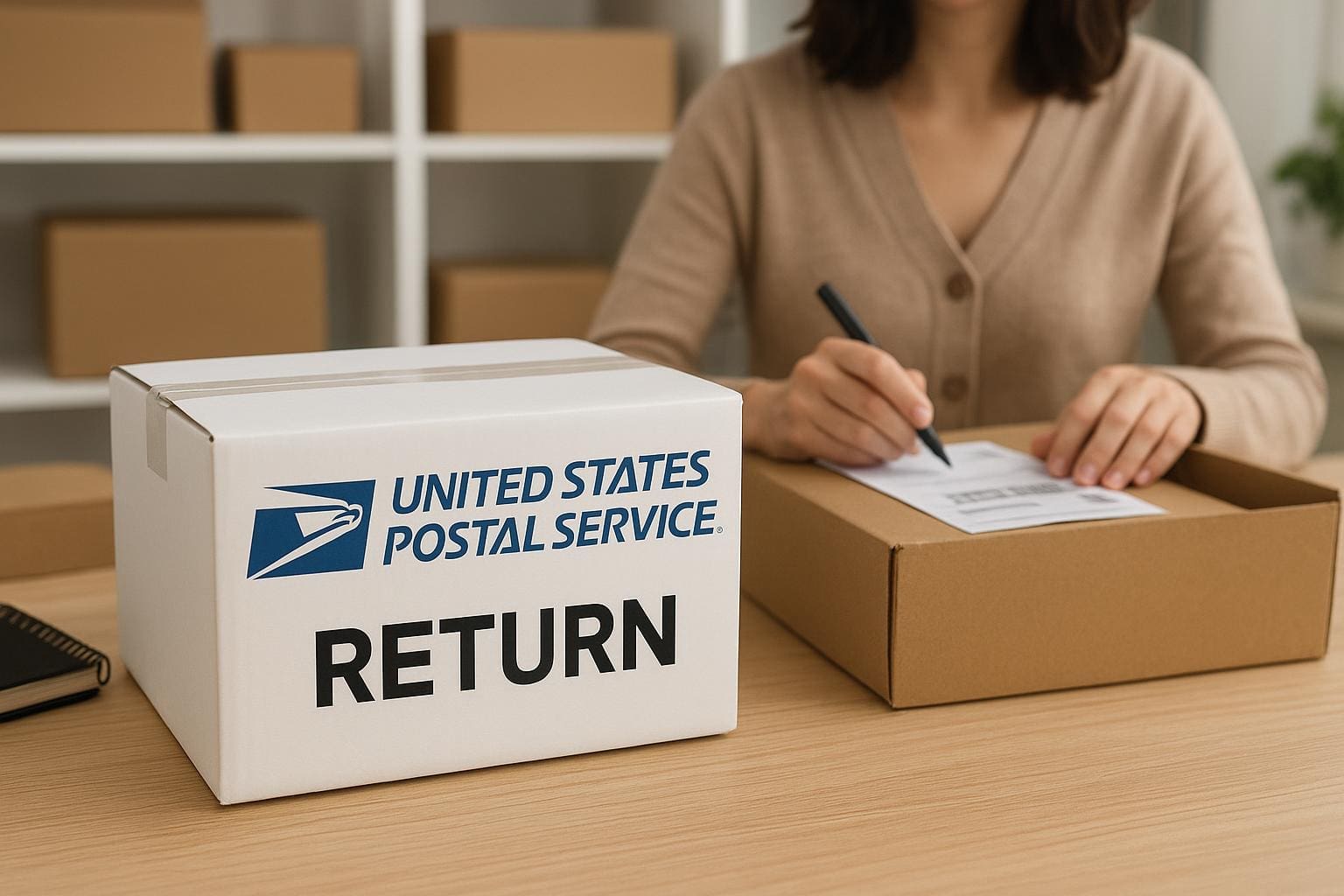
If you want fewer angry emails and more repeat buyers, start with the basics: make returns painless. Including return labels in orders removes a barrier that often stops customers from buying in the first place. When a buyer sees a return label already in the box, they feel safer trying new things. That confidence translates into higher conversion rates and lower friction at the first point of contact.

### Make It Clear What Type Of Return Label You’re Using

Not all return labels are the same. Prepaid labels mean you cover the postage. QR-code labels let customers print at home. Return-to-store labels route items back to a physical location. Decide which option fits your margins and brand promise, and document it on the packing slip. If you’re including return labels in orders, note whether postage is deducted from refunds or fully covered up front.

### Practical Steps For Integration

Label software and fulfillment workflows need tweaks, not a full rebuild. Here’s what works in practice:
– Generate return labels when the order ships, and include them in the same packing station.
– Put a small card explaining the steps: how to affix the label, where to drop the package, or how to scan the QR code.
– Attach return-tracking numbers to the original order record so customer service can see the inbound movement.

## Operational Benefits Of Including Return Labels In Orders

Returns can be expensive, but they also create data. When you handle returns proactively, you collect information about why products come back and how quickly they’re processed.

### Reduce Customer Service Time

When a return label is present, customers call less. The fewer steps they must take, the fewer support tickets you’ll see. Customer service reps spend time on exceptions: international returns, damaged items, or worn merchandise. The common cases are handled automatically when you include a return label in the box.

#### Keep Your Warehouse Workflow Lean

Plan the routing of return shipments so they return to the nearest processing center. This cuts transit time and lowers cost per unit. If you use regional hubs, set up label logic to choose the closest location. That way your shipping labels aren’t sending packages back across the country for no reason.

## Pricing Strategies And Cost Controls

Deciding who pays matters. Some retailers offer free returns to compete; others charge a fee or deduct shipping from the refund. Both choices send a message. Make sure your policy matches the product price point and margin.

### Pricing Examples That Work

Low-margin, high-volume categories often need strict rules. For example, a clothing brand might absorb a small flat fee to boost conversions on new styles. A furniture company might require returns at the customer’s expense, since freight costs are high. If you’re including return labels in orders, model the cost per return in your unit economics and adjust the policy accordingly.

## How To Reduce Fraud And Abuse

Return fraud is real. Include simple safeguards without making the return process painful for honest customers. Use return windows, require original packaging for certain products, and flag accounts with excessive returns. When you include return labels in orders, tie each label to the order number and validate returns against purchase history in your system.

### Use Technology To Track And Verify

Barcode scans and photo uploads accelerate validation. Customers can scan the shipping labels to start the return, and the system can cross-check weight and SKU information. If the inbound package doesn’t match the original shipment, the return goes to a manual review queue. That saves time and reduces losses.

## Design And Environmental Considerations

Paper return labels create waste. If sustainability matters to your customers, offer a digital return label option. A QR code printed on a small card or the packing slip lets the customer generate a postage-paid label at home, or drop the item at a partner location. You can still include a preprinted label for convenience, but offering choices reduces returns-related trash.

### Packaging Tips That Make Returns Easier

Use a single-sided packing slip that folds into a small envelope for the label. Include clear placement instructions so customers don’t cover tracking bars with tape. If you’re including return labels in orders, make sure they’re easy to find—tucked under the invoice or housed in a dedicated sleeve to avoid getting lost with bubble wrap.

## Measuring Success With Returns Data

Track the full lifecycle: label issued, package picked up, arrival at processing center, inspection, refund completed. Those metrics show whether including return labels in orders is worth the cost. Watch for improvements in conversion, decreases in support volume, and reductions in inspection time. Use that data to iterate your policy and the type of return label you provide.

### Quick Metrics To Start Watching

Look at return rate by SKU, time-to-refund, average cost-per-return, and repeat returners. Tie those figures back to marketing campaigns and product descriptions. Often a small change in copy reduces mismatch returns more than changing the label itself.

Reciept of returns should be predictable. When it is, you can make smarter choices about inventory, pricing, and customer communication—so the next sale feels less risky for everyone involved.

SMS Delivery Alerts Elevating Package Delivery Tracking

sms delivery alerts

Sms delivery alerts are quietly reshaping what customers expect from shipping. They don’t need flashy apps or extra downloads. A short, timely text can stop confusion, cut no-shows, and make a carrier look competent. That plain fact matters more than marketing fluff.

## How SMS Delivery Alerts Improve Visibility

Carriers used to rely on tracking numbers and web portals. Those work when you have time and patience. Most people don’t. They want a quick yes/no and a window they can plan around. That’s where SMS delivery alerts shine: they land in the one place people check dozens of times a day. A simple message — “Your package is out for delivery, ETA 2–4 PM” — removes uncertainty in a way an email rarely does.

SMS messages also reach people offline. If a delivery van is delayed by traffic, a text can tell the recipient to wait or to instruct the driver where to leave the box. Those micro-adjustments prevent missed deliveries and fewer dropped-off packages at the curb. When a business measures customer satisfaction, those moments add up.

### Why Real-Time Updates Matter

Timing is the most predictable variable in package disappointment. Real-time status changes reduce wasted time for both drivers and customers. When a driver updates a scan, that can trigger a delivery alerts message that tells the recipient the parcel’s exact status. People can make decisions — leave for work later, step outside to meet the driver, or ask a neighbor to recieve the package. That’s practical.

Text notifications are effective because they’re immediate and readable. The open rate for SMS far surpasses email. That doesn’t mean you should spam people. The message should be short, precise, and actionable: where the package is, if a signature is required, and what options the customer has if they’re not home. A one-line instruction beats a page-long tracking detail.

#### Tracking With Precision

Good systems map the delivery route to a live ETA. Combining GPS, route progress, and last-mile scans lets systems offer delivery windows that are narrower than the old “today between 8 AM and 8 PM.” That precision makes sms delivery alerts more useful — people can plan around a two-hour window instead of an entire day.

Some carriers provide a link in the text that shows the driver’s live progress. Others keep it simple: a time and the status. Both approaches work, but the latter reduces friction for recipients who don’t want to click through. Either way, the update needs to be accurate. An incorrect ETA teaches consumers to ignore future delivery alerts. Trust is built on follow-through.

### Reducing Missed Deliveries And Friction

Missed deliveries are expensive. Carriers pay for reattempts, storage, and the customer service work that follows. For customers, there’s the inconvenience and the stress of wondering whether a high-value item is safe. Delivery alerts reduce those costs by letting people make quick adjustments.

Text notifications also change driver behavior. If a driver knows their scan will notify the recipient, they’re more likely to attempt a doorstep delivery before defaulting to a pickup location. For businesses selling high-ticket or time-sensitive goods, that small behavior change can lower return rates and improve net promoter scores.

#### Handling Exceptions Efficiently

Not every delivery goes smoothly. Weather, address issues, and access problems happen. Good sms delivery alerts include clear instructions for exceptions: reschedule options, redelivery fees (if any), or nearby pickup points. The message should also make it easy to reply or tap a quick action to fix the problem.

A helpful exception workflow avoids long phone trees. Imagine receiving a text at 9 AM saying: “Driver needs gate code. Reply ‘GATE ****’ to grant access or reschedule.” That’s less friction than calling support and wastes less time for everyone.

## Operational Steps For Reliable Delivery Messaging

Rolling out a dependable system for texts is more about process than technology. Here’s what operational teams actually need to do.

Start with data hygiene. Messages are pointless if the phone number is wrong. Validate contact details early — at purchase, in account settings, or via an opt-in confirmation. That simple step reduces bounce rates and customer annoyance.

Next, define triggers. What sends a message? Shipment creation, out-for-delivery, failed attempt, delivered, or return initiated. Prioritize the signals that reduce the most uncertainty for your customers. Out-for-delivery and delivered messages are usually non-negotiable.

Integrate driver tools. Drivers should have an easy way to update status that feeds the text system in real time. If the driver’s scan app is clunky, updates will be delayed and the value of sms delivery alerts evaporates.

Measure and iterate. Track delivery success rates, customer replies, and complaint volumes before and after you enable messages. Small changes in wording or timing often produce outsized improvements.

### Balancing Frequency And Value

Text notifications work because they’re useful, not repetitive. Too many messages lead to opt-outs. Think like a human: would you want another update ten minutes after you were told the package was delivered? Probably not. Limit messages to key touchpoints and give recipients control over the types they receive.

Offer preferences: only out-for-delivery plus delivered, or full-step updates for the power users. Let people pause messages for a period. Respecting those choices prevents churn.

#### Timing And Message Content Best Practices

Keep copy short. Include a one-line status, a time, and an action. Use plain language and avoid jargon. For example: “Your package ending in 1234 will arrive Today between 2:00–3:30 PM. Reply ‘HOLD’ to reschedule.” That’s concise and actionable.

Include safety cues. If a signature isn’t required, say so. If the package will be left at a doorstep, suggest secure options: “Leave with neighbor” or “Deliver to secure locker.” These small details reduce complaint calls and lost-item claims.

## Choosing The Right Provider For Messaging

Not all messaging platforms are equal. Some offer high deliverability and carrier-level troubleshooting. Others provide cheap bulk SMS with little support. Make choices based on the reliability your customers expect.

Look for providers that can handle two-way messaging. The ability for recipients to respond — even with short codes — lets you capture reschedule requests or gate codes without manual intervention. Two-way capabilities also let you detect failed deliveries earlier and act faster.

Text notifications should be tracked. Choose a system that logs delivery status, bounce codes, and recipient replies. That traceability helps with dispute resolution and operational improvements.

### API Features To Look For

Robust APIs matter when you want to connect sms delivery alerts to your order management system. Real-time webhooks, templating, and rate management are the basics. Also consider localization: can the provider send messages in the recipient’s language and local time zone? That’s easily overlooked but important for larger operations.

Failover options are valuable. If an SMS provider has outages, what’s the fallback? Some platforms can switch to a secondary carrier or fallback to email with a single API call. That redundancy prevents silence when the system is most needed.

#### Security And Compliance

Messaging touches personal data. Be clear about opt-in rules and local regulations. Maintain logs for consent and allow users to opt out with a single reply. Encrypt message content where appropriate and limit sensitive information in the text itself. For example, avoid full account numbers or detailed address lines in an SMS.

Keep in mind regional rules for SMS frequency and content. Where rules are strict, a light, permissioned approach is safer and more predictable.

## Practical Examples From Real Operations

A regional retailer reduced missed deliveries by 35% after adding an out-for-delivery text with a two-hour window and a one-tap reschedule link. Drivers reported fewer abandoned drops and reties dropped significantly. Customers were quieter — in the good way.

A subscription box service used delivery alerts to solve an identity problem. Boxes required a person to sign. By sending a message the morning of delivery that asked recipients to confirm a pickup location, the company cut its signature failure rate and saw fewer claims for missing packages.

Another carrier experimented with too many notifications and saw opt-outs spike. They trimmed messages to the essentials and introduced preference controls. Opt-out rates dropped, and customer satisfaction ticked upward.

Small changes matter. Even rewording a message to say “Arriving Today 1:00–2:00 PM” instead of “Arrival Window Today” improved click-throughs on action links. People respond to clarity.

### Common Pitfalls To Avoid

Don’t rely on a single channel. SMS is powerful, but it should be part of an omnichannel strategy that includes email and in-app updates for people who prefer those channels. Also, avoid sending messages that can’t be acted upon. If you tell someone the driver is five minutes away but the driver is stuck and can’t respond, you create frustration.

Avoid overly aggressive marketing in transactional messages. Transactional delivery alerts are some of the most trusted messages you’ll send. Don’t dilute that trust with promotions in the same thread.

A subtle human touch in messaging goes a long way. Little empathy phrases — “We’ll do our best” — matter. Make sure messages are useful first, friendly second.

There are lots of smart, inexpensive ways to integrate sms delivery alerts into an operation. The trick is to focus on reducing real points of friction and to measure the outcome. When done right, these texts do more than notify — they let a delivery experience feel competent and predictable.

USPS Click-N-Ship Pickup Scheduling Made Safer and Easier

usps click-n-ship pickup scheduling

If you ship even a few packages a month, the part that feels risky isn’t the label — it’s the handoff. Where do you leave the box? Who will open your gate? Will the carrier be delayed so long the package sits outside? Recent updates to how Click-N-Ship handles pickups reduce those variables. The system is quieter, more predictable, and safer if you follow a few straightforward habits.

## How USPS Click-N-Ship Pickup Scheduling Works

USPS Click-N-Ship Pickup Scheduling ties your online label to a real pickup on a real route. You print postage, schedule a pickup, and the carrier scans the package as part of their run. That scan links the package to a specific pickup window and driver, which makes tracking meaningful from the moment the package leaves your porch.

To schedule a pickup, you generally:
– Create and print a label through Click-N-Ship.
– Choose a pickup date and location in the website or mobile flow.
– Place the package where the carrier can access it, or hand it to them directly.

Those are the high-level steps. The details matter. When you pick a location, indicate whether the package will be at the front door, back porch, lobby, gated driveway, or handed directly to the carrier. The more precise you are, the less time the driver will spend searching, and the less time your package is exposed.

## Common Pitfalls People Miss

Pickups go sideways when we assume the carrier will read minds. Two recurring mistakes:
– Leaving a package out the night before without securing it or using an enclosed porch. Weather and opportunistic theft are real threats.
– Scheduling a pickup without supplying clear access instructions for gates or apartment buzzers.

Also don’t forget to attach the reciept or the label where it’s visible. A taped label that’s obscured or on the wrong side of the box slows everything down. When something slows the driver, multiple pickups get delayed and risk exposure.

### Why Clear Access Instructions Pay Off

If your building has a buzzer, put the unit number in the pickup field and note whether the carrier should buzz or knock. For gated properties, include the gate code and where to leave packages if the gate is closed. Small information saves time and keeps the package in the driver’s hands rather than on a sidewalk.

## Safety Improvements And Why They Matter

Safety changes have come from both USPS processes and common-sense behavior you control. On the USPS side, linking the label to a scheduled pickup and requiring carrier scans at pickup reduces ambiguity about time and chain of custody. For shippers, using added options like Signature Confirmation or Adult Signature at Delivery reduces the chance of packages gone missing after the carrier leaves.

Here’s what improved sequencing does: instead of a loose “left with carrier sometime today” stamp, you get a scan that pins a time and place. That makes disputes with buyers or senders simpler. It also means the carrier is more likely to pick up packages directly instead of grabbing a batch from a porch and stacking them in a van.

### Signature Options Cost Less Than Headaches

If the item is moderate to high value, opt for Signature Confirmation. It’s not expensive compared with replacing a lost item. The driver will request a signature or record delivery, which deters casual theft and gives you legal proof of delivery. You can choose Adult Signature if age verification matters. Those small fees prevent much bigger headaches later.

#### When To Choose Signature Confirmation

Choose it when the replacement cost exceeds the convenience fee of the service. For instance, a $50 item? Consider signature. Over $100? Strongly consider it.

## Step-By-Step: Scheduling A Safer Pickup

Follow this routine every time you ship:

1. Print Your Label and Verify The Address
2. Schedule The Pickup Through Click-N-Ship
3. Specify Exact Placement And Access Info
4. Securely Package And Affix The Label
5. Place The Package Near Pickup Time, Not Hours Before

Timing matters. If you place a package outside too early, it’s an easy target. Place boxes as close to the scheduled pickup window as you reasonably can. If the schedule says “by 11 AM,” setting the package out at 10:45 AM is better than 7 AM.

### How To Enter Pickup Details That Get Read

When you use the pickup scheduling form, write short, precise instructions:
– “Front porch under awning, left of main door”
– “Gate code 1234, leave on stoop”
– “Do not buzz; knock only; neighbor will hand off if not home”

These aren’t picky details. They shorten the carrier’s time at your stop and reduce confusion. Less confusion equals fewer mistakes.

## Using Click-N-Ship For Business Volume

For businesses that ship dozens of packages a week, consistency is key. Designate a single person to handle usps pickup coordination. That person will be the one who times the packaging, creates the Click-N-Ship labels, and schedules pickups at predictable times.

Batching labels and scheduling a single pickup window when the carrier prefers to stop by keeps packages from sitting around all day. Many small businesses find that scheduling pickups right before the route’s typical start or mid-route pickup windows minimizes exposure time.

### How To Communicate With Your Carrier

If you have regular pickups, invest five minutes to talk to the carrier and explain where you place packages. A quick conversation can solve recurring problems: “If the gate is closed, please leave on the mailbox shelf.” Carriers appreciate clarity and will often accommodate a consistent, safe handoff routine.

## What To Expect The Day Of Pickup

On pickup day, the carrier should scan the package. That scan updates tracking instantly. If you scheduled via Click-N-Ship, you’ll see movement tied to that pickup. If the scan doesn’t happen, the package might still be on the carrier’s truck; it might also have been missed. Track the scan. If it never appears by the end of the carrier’s route, contact your local post office.

If you choose usps pickup and the carrier doesn’t arrive, check the address used, the pickup date, and whether a delay was posted on the USPS tracking page. Often a late truck or route reassignments are the cause. Don’t assume theft until you confirm.

### What To Do If The Carrier Can’t Access Your Package

If a carrier can’t access a gated area and you didn’t provide clear instructions, they usually leave a notice. Respond to that notice quickly. Re-schedule another pickup or take the package to a nearby USPS location.

#### Tips For Apartment Dwellers

If your building has a management office or a concierge, coordinate pickups through them. Leave packages in a secure lobby area with clear labeling. That keeps packages off the sidewalk and under formal supervision until the carrier arrives.

## Troubleshooting Common Problems

Problem: Pickup shows scheduled but no scan. First, check your confirmation email or Click-N-Ship account for the scheduled pickup details. Second, call your local post office. If you don’t get a timely resolution, you can file a missing mail claim, but that’s a slower route.

Problem: Carrier didn’t find package where you said it would be. Re-evaluate how visible you made the package. Put labels facing outward and avoid leaning packages behind obstructions. Clear signage is your friend.

Problem: Unauthorized person receives a package. If you didn’t request a signature and the package was left, you may have limited recourse. That’s why for higher-value items it’s worth paying for signature options. If a package is stolen after the carrier marks it delivered, file a claim with USPS and check any security camera footage you might have.

## Privacy And Security Best Practices

Treat your pickup as a choreography between you and the carrier. If you schedule a pickup, don’t broadcast it on social media that you’ll be leaving a high-value package outside. Simple steps:
– Put the package out just before the scheduled pickup.
– Use secure, opaque packaging so contents aren’t obvious.
– Choose signature options when appropriate.
– If your neighborhood has an active mail theft problem, use Hold For Pickup at the post office and pick it up there.

Using Hold For Pickup is especially smart for valuable or sensitive items. Instead of leaving a package on a porch, you instruct USPS to hold the package at a ZIP Code–based post office for in-person pickup. That cuts down on exposure and gives you control.

### Digital Security: Keep Track Of Labels

When you print a label through Click-N-Ship, keep a record of the tracking number. Link that number to your shipment records so you can pull it up quickly when something doesn’t go according to plan. Don’t share tracking links publicly if the delivery timing could invite theft.

## Cost Considerations And Alternatives

Click-N-Ship pickup scheduling itself is a convenience. Depending on the service level and whether you request signature services, there may be small fees. Compare fees against the cost and hassle of replacing a lost item. Sometimes it’s cheaper to pay a few dollars for Signature Confirmation than to chase refunds later.

If your shipping needs are heavy, consider scheduled pickups that USPS offers to businesses. For occasional shippers, using a local post office drop-off could be the simpler, cheaper route.

## Real-World Scenarios That Illustrate What Works

Scenario A: A small online seller ships five boxes a week. She schedules a mid-morning pickup, prints all labels the night before, but places boxes outside at dawn. One package disappears. She changes routine: prints labels the morning of pickup, places packages 30 minutes before the scheduled scan, and adds Signature Confirmation for items over $50. No more disappearances.

Scenario B: A customer in a gated community forgets to include the gate code in the pickup instructions. The carrier leaves a notice. The sender reschedules, includes the gate code, and writes “leave on stoop by mailbox if gate closed.” The carrier can now access the package quickly. Small change, big difference.

Scenario C: A seller drops off valuable electronics at a nearby post office instead of leaving them at the door. This removes the timing variable and uses USPS-controlled space for transfer.

## When To Use Alternatives To Click-N-Ship Pickup

Click-N-Ship pickup scheduling is great for convenience, but it’s not always the right tool. If you need absolute control over delivery windows or a guaranteed time, look at couriers that offer tighter windows or scheduled same-day pickup options. For very high–value items, a courier that provides door-to-door insurance and chain-of-custody documentation might be preferable.

However, for most everyday shipments, Click-N-Ship and a few protective steps give you a good balance of cost and security.

### Combining Services For Extra Security

Some sellers use a hybrid approach: schedule Click-N-Ship pickup but request Hold For Pickup for the highest-value items, or drop those items at the counter and let the rest be picked up. That minimizes counter time while keeping valuable items secure.

## Practical Checklist Before You Schedule

– Verify the recipient’s address and unit number.
– Print or attach the label cleanly and visibly.
– Note precise placement and any access codes in the instructions.
– Decide whether Signature Confirmation is worth the cost.
– Place the package near pickup time, not early.
– Keep the tracking number handy.

This set of steps is simple. Do them consistently and your risk of lost or stolen shipments drops markedly.

## What Data You Can Rely On

When the carrier scans at pickup, tracking updates are not a promise of delivery, but they are reliable markers in the chain of custody. Use those scans as timestamps. If there’s an issue later, they’re the key pieces of evidence that link the package to a particular pickup.

If you’ve chosen usps pickup through Click-N-Ship, those scans are what make complaints resolvable. They create a clear trail.

### Filing Claims And Next Steps

If something goes wrong, start with the tracking history and your pickup confirmation. Contact your local post office and provide the tracking number and pickup details. If you paid for signature and it shows delivered without signature, push back. If it shows scanned at pickup and then lost, open a missing mail request. Patience helps; these processes can take days, but a clear paper trail speeds them up.

A final note about expectations: no system is perfect. But when you use the tools Click-N-Ship offers, couple them with clear instructions and sensible timing, you significantly reduce the odds of an avoidable loss.

How To Print USPS Shipping Labels At Home And Save Big

how to print usps shipping labels at home

You can stop paying full retail at the post office. Print your own postage, and the numbers quickly add up.

## How To Print USPS Shipping Labels At Home Fast
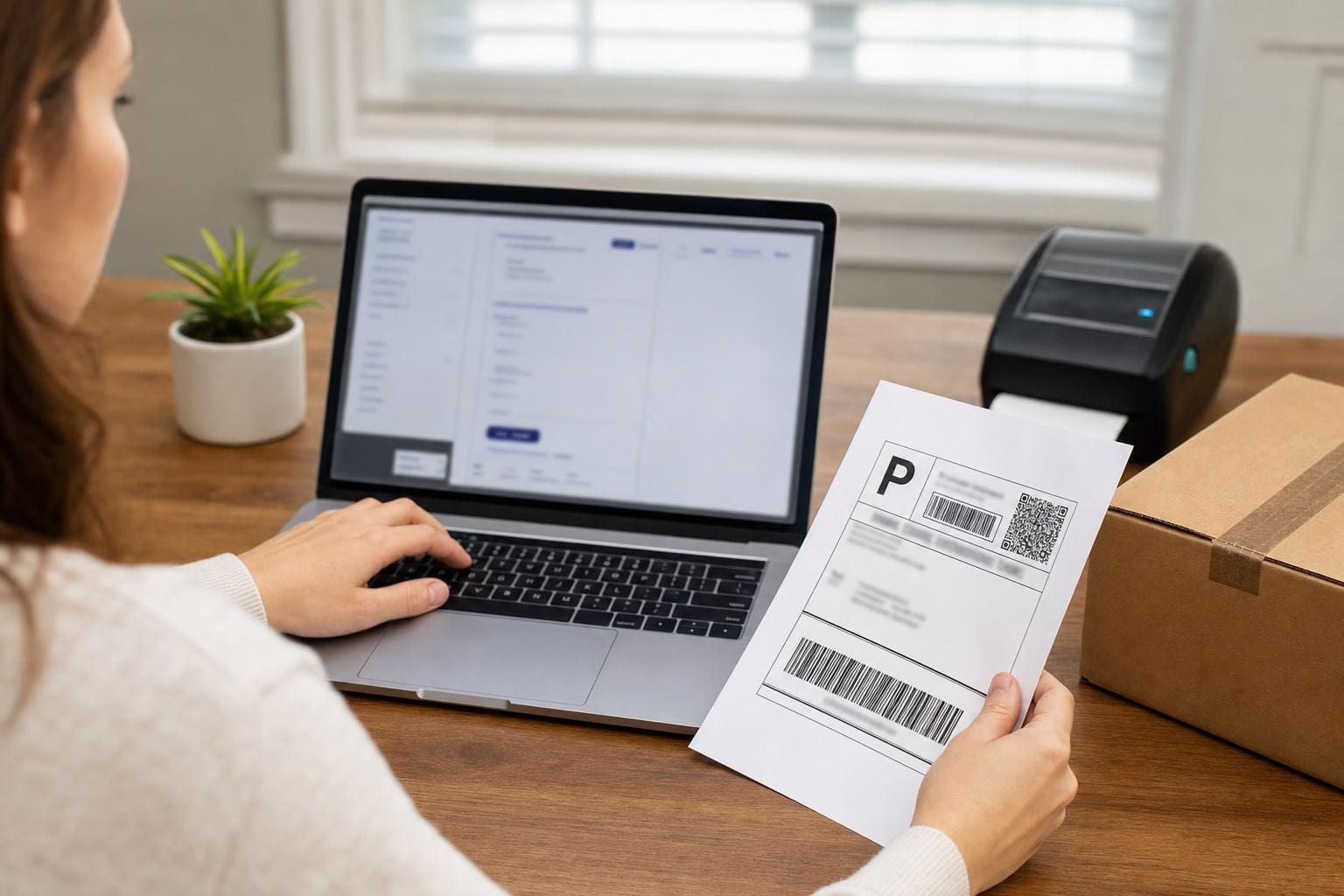
Printing labels at home is simple once you sort the basics: which service to use, what printer works, and how to save on postage. If you want to know how to print usps shipping labels at home without guessing, the fastest route is picking a platform that gives discounted rates and a printable PDF. Do that and you avoid the counter, save on supplies, and control shipment details from your desk.

### Choose The Right Platform
Start by deciding where you’ll buy postage. You’ve got a few sensible choices:
– USPS Click-N-Ship on USPS.com — straightforward, no third-party fees, great for individuals who ship occasionally.
– Pirate Ship — free account, commercial rates, and no monthly fees. This is where most small businesses shave a lot off postage.
– PayPal, eBay, and ShipStation — good if you already use those services; they’ll integrate with orders.

If your priority is low postage, use Pirate Ship or another service that advertises commercial base pricing. For someone wondering how to print usps shipping labels at home while keeping costs down, commercial rates are the single biggest lever. Also check whether the platform provides a pickup option — that saves you a trip.

### Understand Costs And Service Options
Don’t assume flat-rate boxes are always cheaper. Compare regional rates, Priority Mail Cubic, and First-Class Package Service for light shipments. In many cases, using the right service reduces postage more than any printer choice will. When you buy postage online you can add insurance, signature confirmation, and additional services while still saving over buying at the counter.

## Printer Choices And Supplies For Home Printing
Your printer matters more than most people think.

### Pick The Best Printer For The Job
Thermal label printers (like Dymo or Brother QL series) are fast, cheap per label, and built for continuous shipping. They remove the need for label sheets or tape. The tradeoff: an upfront cost and occasional label roll replacements.

Inkjet or laser printers work fine too. If you use standard 8.5×11 paper, print four labels per page and cut them with a paper trimmer or scissors. For a cleaner workflow, buy 4×6 adhesive label sheets that peel and stick. They fit many thermal printers and some inkjets with proper sheets.

For small volume sellers, a cheap thermal label printer pays for itself within a few months. For occasional shippers, printing on regular paper and taping is OK as long as the barcode prints clearly.

#### Label Sizes And Paper Types
Use 4×6 labels for thermal printers; they’re standard for shipping. For inkjet/laser, 8.5×11 sheets with four labels per page or full-page adhesive labels work. Avoid glossy or coated paper that can jam printers or smear ink. If you ever wonder why a carrier can’t scan your package, check the barcode contrast and placement before sealing the box.

### How To Print Securely And Accurately
Make sure your printer settings are set to “Actual Size” or 100% scaling. Let the PDF drive the layout. Don’t use “Fit to Page” — it can distort barcodes and cause a scan failure. If your platform offers a checkbox for thermal vs. PDF, choose PDF for inkjet and direct thermal for label printers.

## Step-By-Step: Print A Label In Under Five Minutes
1. Create an account with your chosen service and enter your sender information once.
2. Fill recipient address and package details. Weigh your package on a kitchen scale for accuracy.
3. Choose service level and add insurance if needed. Compare prices—sometimes Priority is only a dollar more than First-Class for size.
4. Pay and click “Print Label.” Open the PDF and hit print with scale set to 100%. Peel and stick or trim and tape the label to your box.

If you’re experimenting with how to print usps shipping labels at home, try one package first. Watch the barcode after it prints. If it’s faint, increase print density or switch paper.

### Avoiding Common Mistakes
People often pick the wrong weight or package type and then get reassessed at the facility. Weigh accurately and use measured dimensions when selecting package size. Don’t cover barcodes with tape that wrinkles — it can block scans. If you need a reciept, print or save the confirmation email; some services also offer batch reports for bookkeeping.

## Save Money Beyond Postage
Printing at home is only the start. Consider these practical ways to reduce total shipping spend.

### Smart Packaging Choices
Use lighter boxes and trim excess filler. Reuse boxes when they’re still sturdy; carriers don’t care if the box is reused. For small, heavy items, compare Priority Mail Cubic pricing. For lightweight but bulky items, First-Class might be cheaper.

### Bundle And Automate
If you ship several items per day, set up batch label printing. Most platforms let you upload a CSV to create dozens of labels. That’s an immediate time saver and reduces mistakes. If you sell on marketplaces, integrate order imports to avoid retyping addresses and to speed up the usps label printing process.

### Pickup And Drop-Off Hacks
Schedule free pickup for regular shipments. If you can’t do pickup, drop off at a blue collection box for small packages or use self-service kiosks at USPS locations. Avoid peak hours at the counter; you’ll save time and patience.

### Documenting And Tracking
Save PDFs of your labels for accounting and returns. If a scan is missing, a saved label helps resolve disputes. For small businesses, keeping a spreadsheet of tracking numbers, weights, and service choices helps you spot trends in shipping costs.

## Final Practical Tips Before You Print
Set up defaults for sender address, package type, and signature options so you don’t click the wrong extra service. Keep a small label stock on hand and a paper trimmer near your workspace. Test a few labels at different printers to make sure barcodes scan reliably. There’s a lot of low-hanging fruit when you learn how to print usps shipping labels at home and pair that with smarter packaging decisions.