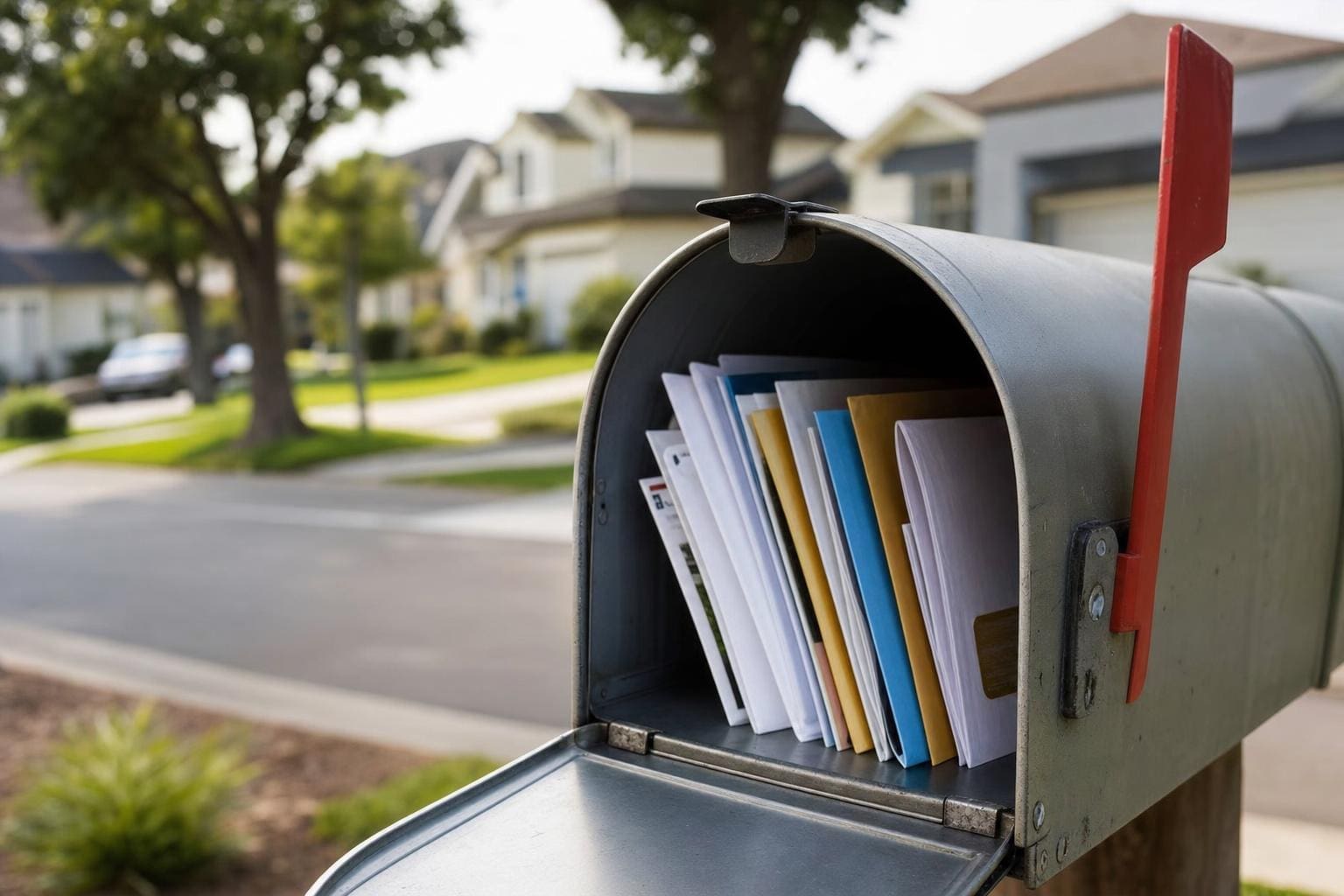
USPS Hold For Pickup Guide Unveiled For Mail Managers

usps hold for pickup guide

If you run mail for an office, a retail shop, or a small apartment building, “just handling mail” is a task that quietly saps time. The USPS hold-for-pickup option is the one smart shortcut most managers miss. It stops packages from sitting in a lobby or on someone’s desk and gives you a predictable pickup window instead.

## USPS Hold For Pickup Guide: How It Works
The idea is simple: a sender or recipient can request that a parcel be held at a specific post office for pickup instead of being delivered to the street address. That’s the core of this usps hold for pickup guide. The post office logs the package, holds it behind the counter, and the person who’s authorized signs for it. For a busy mailroom, that reduces misdelivered items and the constant last-mile juggling.

Packages eligible for hold are usually trackable items with a barcode. If a sender chooses the service, the item will be routed to a retail counter instead of the carrier’s route. If a recipient requests the hold after shipping, they can do that too, in many cases, via the tracking page or at a nearby post office. Expect a hold period of a week or so; specifics vary by mail class.

### Who Should Use This Service
Anyone who manages maillines where people come and go or where security matters should consider it. Offices with multiple teams, construction sites, college mailrooms, and property managers benefit the most. If you’ve lost a high-value package inside a busy building once, you understand the appeal.

Small businesses that don’t have a secure receiving area will find it useful. Instead of risking a porch theft or a dropped box in the lobby, choose to route the item to a post office. That’s especially true for weekend deliveries when no one is around to sign.

#### When It’s Not The Right Choice
Hold for pickup adds friction for the end recipient. If someone expects home delivery or cannot go pick up a package during post office hours, don’t force them into this option. Also, oversized freight and certain restricted items won’t qualify. Know your carrier rules before promising this to a sender.

## Step-By-Step: Setting Up A Hold For Pickup
This guide isn’t theory. Here’s how you actually do it, broken into manageable actions.

1. Track the item. You need the tracking number, period.
2. Go to the USPS tracking page or call your local office. Some requests can be done via the website; others are processed at the counter.
3. Choose the post office you want the item held at. Pick one that’s convenient for the pickup party.
4. Provide authorization details. The post office will ask who is allowed to pick up and for an ID at pickup.

If you run a mailroom, create a simple intake form that asks for sender, tracking number, requested hold office, and authorized pick-up names. Keep a spreadsheet. It sounds basic, but keeping those details in one place stops confusion when multiple packages arrive.

### Online Versus In-Person Requests
Online requests are fast for standard items. When the tracking record supports a hold, you’ll see an option. For more complex situations — partial shipments, consolidated vendor deliveries, or when the recipient needs a proxy to pick up — visit the post office or call them. You get better control that way.

#### Tips For Mail Managers
– Notify recipients by email and include the post office address, hours, and the tracking number.
– Ask for a backup pick-up person on the authorization form. People forget IDs or get stuck in meetings.
– Label the internal logs with expected pickup dates so you can follow up on unclaimed items.

## Common Mistakes And How To Avoid Them
A few patterns keep repeating across offices that use the service poorly. Fix these and the process becomes frictionless.

– Assuming every package can be held. Not true. Check the mail class first.
– Failing to get the tracking number up front. Without it, the post office can’t place the hold.
– Not documenting authorized pick-ups. That leads to identity mismatches and wasted trips.

One real-world example: a property manager accepted a hold request but didn’t record an authorized pickup name. A tenant’s friend showed up to collect the package and was turned away. Result: double trips and a frustrated tenant. Record names and IDs. It matters.

### Handling Unclaimed Packages
Holds eventually expire. After that, packages may be returned to sender or placed in general hold status. Track expiration dates and nudge recipients before the deadline. If a package is critical, consider scheduling pickup reminders via calendar invites. A simple text or quick call prevents returns.

## Integrating Hold For Pickup In Office Workflows
This usps hold for pickup guide is useful only if you bake the process into your routine. Make it part of your mail intake cadence.

Start with a single checklist item: “Is this package eligible for hold for pickup?” If yes, decide whether the sender should request it or your office will. Add a policy: if the package value exceeds a certain dollar amount, require hold for pickup by default. That reduces theft and misplacement.

Train front-desk staff to recognize the tracking codes that qualify and to ask for holds at the point of arrival. Put a short script at the counter: “Do you want this held at the post office for pickup?” It’s a small prompt that catches a lot of problems.

### Using Hold For Pickup With Multiple Vendors
If you deal with many vendors, standardize vendor instructions in your purchasing documents. Tell vendors: “Shipables over $X should use hold for pickup at [post office].” That sets expectations and makes returns simpler when something goes wrong.

#### Small Technical Tricks
– Save the local post office’s retail number in your phone. You’ll call faster.
– Use the USPS tracking feed to automate notifications. Some mailroom software can ingest tracking numbers and ping recipients.
– Keep a physical clipboard at the counter with the day’s held items. It’s low-tech but effective.

## Troubleshooting Specific Issues
Sometimes packages are labeled for the wrong address or a sender didn’t select the hold service. Here are practical fixes.

If the package is en route and you need it held, call the post office with the tracking number immediately. Acting quickly increases the chance they can intercept it. If the package has already been delivered, file a help request and consider requesting a return-to-sender for sensitive items.

When a recipient cannot pick up due to hours, arrange an authorized pickup person and make sure they bring acceptable ID. The post office can accept a proxy if the authorization details match what you provided when initiating the hold.

A note about tracking updates: they aren’t always instantaneous. Don’t assume the absence of a “held” status means the request failed. Verify in person or confirm with a store clerk.

## When To Use A Different Strategy
Hold for pickup isn’t a silver bullet. For high-frequency suppliers or bulky items, consider coordinated freight delivery that drops at a loading dock. For critical items that need same-day pickup, courier services might be faster. Use this usps hold pickup option when the balance tips toward security and predictable pickup windows.

Use this usps hold for pickup guide as a playbook, not a rulebook. Pick the parts that fit your operation and skip the rest. If you set up simple policies, people learn them quickly and the number of lost or misdelivered packages will drop. It’s practical, low-cost, and can save you hours every month.

recieve one package safely and you’ll see why this process matters.

Mail Forwarding Vs Change Of Address A Critical Showdown

mail forwarding vs change of address

You’ll notice the difference the first time a bill arrives late or a package sits in limbo. This isn’t a cosmetic choice. It’s one of the small, practical moves that can make a move smooth or messy. Pick the wrong route and you’ll spend days chasing paper. Pick the right one and you barely think about it.

## Mail Forwarding Vs Change Of Address: Which One Does What
When people debate mail forwarding vs change of address they often mean two different systems that overlap in purpose but not in function. One is a formal postal service action you file with the post office to reroute mail to a new physical address. The other is a commercial or specialized service that can act as your mail hub, scanning and holding items, providing a street address, and handling packages in ways the post office won’t. Knowing those differences will save time and headaches.

### USPS Change Of Address: The Practical Basics
Filing a change of address with the post office is the blunt instrument of moving. You tell the postal service where you’re going and they forward most of your incoming mail for a period. It’s simple, usually inexpensive, and designed to catch mail from businesses that don’t proactively update their records.

Here’s what it does well:
– Redirects letters and many types of classed mail automatically from your old address to your new one.
– Is often fast to set up online or at a post office window.
– Provides a temporary cushion so you can update banks, subscriptions, and utilities without losing important items.

But don’t treat it like a catch-all. A change of address won’t change your billing address with companies; you still have to update accounts yourself. It also won’t turn into a legal address change for DMV, voting, or banks unless those agencies are explicitly updated.

#### What You Should Expect From A Post Office Change
Timeframe, verification, and types of mail forwarded vary, and that’s important. Some items aren’t forwarded at all, some are forwarded for limited windows, and the post office may require identity checks online to complete a request. Expect to follow up with a handful of senders anyway. If you’re moving two blocks away temporarily, a change of address is the low-friction option.

### Commercial Mail Forwarding: More Than Just Re-Route
Commercial mail forwarding services are businesses that do what the post office sometimes won’t: they give you a usable street address, accept packages from private carriers, scan contents on request, forward selectively, shred junk, and even consolidate shipments for international moves. If you need a professional presence, frequent travel, or a business-facing address in another city, commercial services offer features a simple change of address can’t.

They’re not free. You’ll pay for convenience, privacy, and flexibility. But for digital nomads, small businesses, or anyone who needs to manage mail from afar, that fee can be worth it.

#### When Commercial Mail Forwarding Beats A Simple Change
– You need a recognized street address for online forms that reject P.O. Boxes.
– You want someone to scan and email letters so you can act without receiving physical mail.
– You expect frequent packages from different carriers, including couriers the post office doesn’t forward reliably.
– You want long-term storage and consolidation to save on international shipping.

## What The Post Office Forwards And What It Doesn’t
This is where people get surprised. Most routine letters are sent on. But periodicals, large parcels, and special services from commercial shippers sometimes don’t follow the same rules. Federal notices, some court documents, and time-sensitive legal mail can have different routing rules as well.

If a creditor, a government agency, or your insurance company sends something important, don’t assume forwarding will make it arrive intact and on time. Update those senders directly. Think of the post office change as a backup layer, not the primary update. This is one of the core practical differences in the mail forwarding vs change of address decision.

### Packages, Subscriptions, And Business Mail
Mail forwarding services will often handle packages from UPS, FedEx, DHL, and similar carriers. A change of address with the post office primarily covers mail handled by the postal service itself. If you rely on multiple carriers, check each one’s policies and consider a commercial solution if losing a package would be a big problem.

## Costs, Verification, And Identity Issues
A change of address through the postal service is low-cost. There may be an identity verification step online that requires a small payment by card. That’s designed to stop fraud and reduce unwanted redirects.

Commercial mail forwarding costs vary widely. Expect monthly fees for an account, plus per-item charges for scanning, forwarding, and storage. Extra services like a virtual receptionist or notarization cost more.

If privacy is a concern, commercial services offer options that a change of address won’t. They can accept mail under your name at a neutral business address and separate your residential adress from your postal footprint.

### Fraud Risk And Security Tradeoffs
Using the postal change of address is straightforward but can be abused if someone files a change fraudulently. That’s why identity verification exists. Commercial providers, on their side, may require notarized documentation before accepting some kinds of mail, which can be reassuring for businesses that deal with sensitive documents.

## Timing: Temporary Moves, Short-Term Storage, And Long-Term Solutions
Temporary moves and short assignments are a key place the two options diverge. A change of address with the post office can usually be set as temporary. Commercial services offer month-to-month plans, scanning on demand, and long-term storage, which is helpful if you’re in a temporary overseas assignment or living out of a suitcase.

If your move is temporary and you want minimal fuss, change your address with the postal service and update your critical accounts. If your stay will be longer or you need a professional mailing presence, consider a commercial mail forwarding service.

#### Practical Timeline Tips
Set your post office change of address at least a week before your move. Start notifying banks, insurers, and subscription services earlier. If you pick commercial forwarding, allow time for acceptance procedures; some services require ID and proof of residency or business registration.

## Updating People And Organizations: Who Needs To Know Right Away
The post office will forward most mail, but sending a split-second list of updates will reduce friction. Prioritize: banks, credit card companies, payroll, tax agencies, insurers, and healthcare providers. Add online retailers where you have recurring deliveries. For businesses, update customers and vendors immediately.

If you use mail forwarding services, automate what you can. Many commercial providers let you scan and confirm changes before physically re-routing mail. That’s handy for stopping spam and confirming the right documents are being sent.

### A Short Checklist To Start With
– Banks and credit cards.
– Employer and payroll.
– Utilities and cable.
– Insurance companies.
– Health providers and pharmacies.
– Subscriptions that bill or send physical issues.

## Business Uses And Legal Implications
Small businesses often confuse the two. Filing a change of address with the post office changes where mail is delivered, but it doesn’t change registered business addresses with state agencies or tax authorities. A mail forwarding service can provide a professional face and acceptance of packages, but it won’t change how a court or regulatory agency views your official business domicile unless you complete formal legal filings.

If you are forming an LLC, need a registered agent, or must maintain an official business address, handle those processes separately. Think in terms of three layers: legal address, mailing address, and operational address. They can be the same, but they don’t have to be.

## Costs Versus Convenience: Which Is Right For You
If you want cheap and quick, file a post office change of address. If you need flexibility, privacy, or package handling from multiple carriers, a commercial mail forwarding service is worth the price. For many people the right move is a hybrid: send a post office change for basic letters, and use a commercial service for business mail or international forwarding.

When you weigh expenses, factor in time saved, missed bills avoided, and how critical packages are. That math changes if you move often, operate a small business, or travel frequently.

### Real-World Example
A freelance consultant who travels often found that a simple post office change meant some contracts still slipped through the cracks because clients used courier services the post office didn’t forward. Switching to a commercial mail forwarding provider that accepted multi-carrier deliveries and scanned contract pages solved it. The monthly fee paid for itself the first time a time-sensitive contract arrived and was scanned and signed within hours. On the flip side, a young family who moved across town used the postal change to keep things simple and saved money by updating critical utilities themselves.

## How To Decide Today
Ask three questions: How long will you need mail redirected? Which carriers send your important items? Do you need scanning, storage, or a street address for forms that refuse P.O. Boxes? Those answers usually make the choice obvious.

People often blur the line between mail forwarding vs change of address because both move letters. But the nuance matters. Treat the post office change as a safety net. Use commercial forwarding if you need control. You’ll avoid the most common headaches that way and not have to chase a missed invoice two weeks into a new place. And remember to follow up with the big agencies directly—you don’t want to recieve a surprise notice because someone else assumed the post office would handle it.

Po Box Rental Cost Shocks Small Businesses Nationwide

po box rental cost

When the monthly bill came, Maria blinked twice. Her bakery had been tight on cash for months, so she’d kept the smallest PO Box available at the local post office — $14 every six months. This time the renewal notice showed $26. A 85% increase. That one line forced her to move fast: change her invoice return address, update marketing pieces, and call customers who still mailed checks.

## How Po Box Rental Cost Is Hitting Small Business Budgets
Small businesses notice price changes in small places. A three-dollar increase on a supplier invoice can be shrugged off. A sudden jump in po box rental cost hits differently: it’s recurring, easy to miss on the balance sheet, and affects anything tied to mail — invoicing, legal notices, returns.

The way post offices set pricing means the impact isn’t uniform. Rural post offices may have a different fee schedule than urban ones. Some locations raise rates when they renovate or consolidate services. For a business like Maria’s, who takes checks in the mail and gets vendor quotes via post, that $12 bump translated into a new recurring expense and an operational headache.

### Where The Expense Shows Up In Real Life
Po box price is not just what’s listed on the government website. There are ripple costs:
Billing friction when customers send checks to the old address.
– Time spent updating stationery, online listings, and filings.
– Potential late fees if mail-based payments are delayed.

I talked with a landscaper who rents a box for seasonal contracts. He discovered an extra “service” fee for receiving parcels that wouldn’t fit the box. That fee wasn’t flagged clearly when he first rented the box. So his advertised po box cost for budgeting didn’t match his actual monthly outlay.

#### Size, Location, And Service Level Matter
Po boxes come in sizes: small for letters, medium for magazines, large for small parcels. If your business receives catalog-sized deliveries or frequent returns, a small box isn’t enough. Upgrading can double or triple your po box rental cost. Location plays a role too; downtown post offices often charge more than suburban offices, and some busy branches limit availability entirely. If you expect parcel delivery, ask whether the post office holds packages for you or reroutes them to the counter with extra fees.

## Why The Price Jump Felt Like A Shock
A rate change isn’t always well communicated. Many small business owners rent a box once, then forget about it until renewal. Notices sometimes go to the box itself, so if the provider changes payment methods or adds a new online portal, the owner might miss the message until the bill arrives.

Postal services across the country have been dealing with shifting mail volumes and budget shortfalls. Declines in first-class mail revenue pushed some branches to revise rent models, introducing new tiers and add-on fees. That shows up in the po box price and the po box cost small businesses plan for.

### Not Just A Bigger Number
The worry isn’t only whether the number on your bill goes up. It’s the unpredictability. A business can handle steady, predictable costs. Sudden, one-off increases force choices: absorb the cost, pass it to customers, or find alternatives. For small operations with tight margins, none of those options are appealing.

#### Hidden Fees That Make Few Spreadsheets Happy
Some of the most annoying surprises are non-obvious:
– Fees for forwarding mail.
– Charges for receiving oversized parcels.
– Administrative fees for changing box holders.
– Costs for replacement keys or lock services.

Add those up and your simple line item becomes a real budget headache. One tech startup I spoke to was hit twice: a rate increase and then a per-package handling charge that didn’t appear on earlier quotes. They had to re-evaluate whether a po box was still the cheapest, simplest solution.

## What Small Businesses Are Doing Instead
Faced with rising po box cost, business owners are getting creative. Some move to virtual mailbox services that scan mail and email it to you. Others switch to private mail centers, which can offer street addresses, package acceptance, and consolidated shipping discounts. A few go back to basics: using home addresses for official correspondence while keeping a small paid mailbox just for customer returns.

Virtual mailboxes come with pros and cons. They reduce physical handling and the need to pick up mail every day. They usually charge a monthly fee and an item-processing fee, which can be cheaper if you’re receiving mostly letters. If you get frequent physical goods, a private mail center or coworking address that accepts packages might be more practical, even if the base po box price was lower.

### The Tradeoffs
Po boxes have privacy and security advantages. For a home-based business, that matters. A physical PO Box also has legal recognition in many jurisdictions for business registration. But the tradeoff now includes fluctuating po box rental cost and occasional surprise handling fees. Choosing an alternative often means trading lower day-to-day cost for more complexity — different invoices, more accounts, and new vendors to manage.

## How To Shop Smart For A PO Box Today
If you decide to keep or get a PO Box, be deliberate. Don’t pick the smallest option because it’s cheaper; pick what reflects your actual mail and parcel volumes. Ask upfront about all the fees: how they handle oversized packages, what happens if you miss a renewal, where notices will go.

Start by listing what you actually get in the mail: checks, invoices, catalogs, returns. Estimate volumes per month. Then compare costs across three dimensions:
1. Base po box price by size and location.
2. Expected handling fees for parcels and forwarding.
3. Time costs — how often you need to visit the post office to pick up mail.

A solopreneur I know switched to a mid-tier private mailbox after doing this exercise. His base po box cost was slightly higher, but the private center accepted all his parcels without daily visits, scanned envelopes upon arrival, and kept a consistent billing system with no surprise fees. For him, the math was simple: pay a little more and run the business smoother.

### Try Negotiation And Bundling
Post offices and private mail centers often have leeway. Ask for discounts if you prepay longer terms, or if your business has multiple boxes at the same location. Some private centers will waive setup fees or include a limited number of package acceptances monthly. It’s a small leverage point, but for tight budgets it can matter.

#### Document Changes Immediately
If you change your address — mailbox, virtual service, or business location — update it everywhere at once. Suppliers, customers, online profiles, licensing authorities. The cost of not doing so is practical: missed invoices, return-to-sender mail, and confusion. When Maria changed her PO Box, she drafted a short email template and sent it to all customers within 48 hours. That reduced return mail and kept payments flowing.

## Practical Steps To Reduce Your Po Box Rental Cost
There are a few straightforward moves that often help right away:
– Consolidate multiple boxes into one if they’re close. Fewer boxes mean fewer renewal surprises.
– Choose a size based on actual parcel measurements rather than guessing.
– Check alternative post office branches nearby; a short drive can cut the po box price significantly.
– Get notifications set up via email, not paper in the box. Notices in the box are easy to miss if you pick up mail irregularly.
– Consider virtual scanning services for low-volume mail to cut trips and time.

One owner I know brakes down expenses monthly now: rent, utilities, and mail-related costs. When she saw postal expenses creeping, she swapped to a service that offered a scalable model; they charged a modest monthly fee and per-item scanning, which matched her low but important mail needs. It wasn’t free, but predictable. Predictability matters when you’re planning payroll.

### When A Higher Cost Is Still The Right Call
Sometimes paying more makes sense. If you rely on brand perception, a street address from a private mail center looks more established than a PO Box. If you need legal service of process or compliance mail handled carefully, a full-service provider can justify a higher po box cost. The key is to weigh the operational benefit against the raw po box price.

#### Watch For Small Print
Read renewal notices and rental agreements. The post office or private center will often include terms about automatic renewals, fee schedules, and liability limits. One hardware store saved money simply by catching an automatic renewal clause and switching to annual prepay — they paid down the road less often and locked in rate for the year.

Change is happening fast in the postal world, and small businesses are feeling it in the ledger. Some will absorb higher po box rental cost. Others will switch services or adopt hybrid approaches. The decisions are practical, not dramatic. But they matter. And the sooner you look at your mail budget — not just the line item but the system behind it — the less likely you’ll get blindsided by the next renewal notice with an unfamiliar number on it.

A final practical note: keep one physical record of all address changes. A simple spreadsheet with the date you updated vendors and the proof of change saved as a screenshot will save hours when something inevitably goes missing or is sent to the old adress.

Urgent Update: USPS Package Stuck In Transit: Alerts & Tips

usps package stuck in transit

The nation is buzzing—and not in a good way. Reports are flooding social channels: people opening apps to find their lifeline orders frozen mid-route. Panic spreads as vital items, gifts and business shipments sit in limbo, seemingly swallowed by a postal black hole. If you’ve ever screamed into your coffee because your tracking reads the dreaded status, you’re not alone.

## Urgent: USPS Package Stuck In Transit — What The Alerts Really Mean
When your tracking page screams “usps package stuck in transit,” it can trigger a cascade of anxiety: Did it get lost? Stolen? Sent to the wrong coast? The reality is more prosaic but no less infuriating. This status typically indicates that the package’s scan hasn’t updated for an unusually long time — often due to system backlog, route reassignments, logistical bottlenecks, or human error at a sorting facility. The sensational headlines are tempting, but understanding the causes helps you act fast and smart.

In recent months, an alarming rise in reported package delays has coincided with peak seasons and staffing crunches. For many shippers and recipients, the experience starts with a single freeze-point: a timestamp that refuses to budge. That frozen status is the gateway to worries about missing mail — the scenario everyone fears most.

## 3 Remedies To Fix A USPS Package Stuck In Transit
Below are three formal, actionable remedies to recover a stalled shipment. Each remedy includes required materials and a clear step-by-step process you can follow immediately. Use them in order: start with simple online escalations, then local in-person action, and finally formal claims when necessary.

### Remedy 1: Immediate Digital Escalation And Tracking Verification
Materials Required:
– Tracking number and shipment confirmation email
– Access to USPS tracking page and your email
– Phone or computer for calls or live chat
– Screenshots of tracking history

Step-By-Step:
1. Verify the tracking number and confirm the last scan location. Capture screenshots showing the frozen status and timestamps.
2. Log in to your USPS account (or register) and use the “Help” or “Track & Manage” features to enter the tracking number. Look for any available estimated delivery date updates.
3. Open a Help Request via the USPS website: choose “Find Missing Mail” or “Where Is My Package?” and submit your screenshots and details. This creates an official electronic ticket.
4. Use USPS Informed Delivery (if enrolled) to check for any delivery attempts or scan images that might indicate the package’s path home.
5. If the web request yields no response within 48–72 hours, call USPS Customer Service. Provide your tracking number, last scan details, and your ticket number. Record the name of the agent and time of call.
6. If live chat is available, follow up there and attach the same screenshots. The combination of digital records helps move packages out of stalemate and reduces the risk of your shipment transitioning into the missing mail category.

### Remedy 2: Local Post Office Visit And Friendly Escalation
Materials Required:
– Printed tracking history (or mobile screenshots)
– Photo ID and proof of address
– Package’s sender/recipient details
– Any purchase receipts or order confirmations

Step-By-Step:
1. Locate your package’s last scan facility using the tracking history. Identify the nearest post office that services that facility.
2. Visit the post office in person during non-peak hours. Bring printed tracking details, ID and documentation proving you are the intended recipient.
3. Speak directly to the supervisor or postmaster. Present the tracking record and ask them to check their internal systems or physically inspect incoming and outgoing pallets.
4. Request a “locate request” be initiated in-house; this is different from an online ticket and often prompts frontline staff to physically search the facility and transportation logs.
5. If your package still cannot be found, ask the postmaster for a Service Request Number or a written note confirming that the local facility searched and could not locate the item. This documentation will be crucial if you escalate to a claim.
6. Keep a log of staff names, dates, and any reference numbers given. Personal visits frequently resolve issues faster than remote requests and can prevent your parcel from being considered missing mail.

### Remedy 3: Filing An Official Claim And Seller Escalation
Materials Required:
– Proof of value (receipts, invoices)
– Evidence of shipment (tracking number, proof of postage)
– Documentation of your attempts to locate the package (screenshots, service request numbers)
– Photos of packaging (if available) and ID

Step-By-Step:
1. Determine eligibility for a claim. USPS covers certain mail classes and insured items; check their claims policy for time windows (typically 7–14 days after declared lost).
2. Gather all documentation: proof of purchase, tracking records, and records of your interactions (calls, web tickets, local post office notes). The more complete the evidence, the stronger your claim.
3. File a claim online via the USPS Claims portal. Attach all supporting documents and describe the timeline succinctly. If you’re the sender, you must file; recipients should coordinate with senders for an expedited claim process.
4. Follow up on your claim every 72 hours. Save any emails or reference numbers. If the claimant is a business, request a claimant reference that flags the account for priority review.
5. If the seller or shipper used a carrier-integrated label, contact the seller to open a claim with their merchant support as well. Many retailers have faster dispute resolution paths and can issue refunds or replacements sooner than the postal claims process.
6. If a formal investigation yields no location, the claim process typically results in reimbursement based on insured value or USPS guidelines. Maintain a calm, methodical tone with agents — it yields better outcomes than confrontational calls.

## Red Alerts And When To Worry
#### Watch For These Red Flags
– Multiple days with no scans after a final transit scan.
– Conflicting delivery statuses (e.g., “Delivered” in one system, “In Transit” in another).
– Scans that indicate the package entered a distant processing center and never left.

If these signs appear, escalate from Remedy 1 to Remedies 2 and 3 in sequence. Sensational speculation online is tempting, but methodical documentation and escalation are the fastest path to resolution.

## How To Prevent Future Package Delays And Missing Mail Nightmares
Preventive measures are your frontline defense against future package delays and missing mail incidents. Sensational stories dominate feeds, but much can be controlled before shipping even begins.

### Practical Seller And Buyer Steps
– Choose tracked and insured shipping options for valuable items.
– Require signature confirmation for high-value deliveries.
– Use verified addresses and include clear recipient contact details.
– For time-sensitive shipments, consider expedited services or alternative carriers with guaranteed delivery windows.

### What To Do If You Spot Patterns Of Package Delays
If you notice repeated late scans or your community is experiencing an uptick in lost items, file a formal complaint with USPS Consumer Affairs and notify your local postmaster. Collective reporting increases the urgency and can lead to route audits that improve service for everyone.

## Legal And Consumer Protections You Should Know
#### Your Rights And Timelines
USPS has published timelines and procedures for missing mail, claims and refunds. Familiarize yourself with the window for filing claims (varies by service), evidence requirements and insurance coverage options. When sellers use USPS for shipment, their terms of service may also include seller-backed guarantees — pursue those if postal claims are slow.

Dealing with “usps package stuck in transit” is never pleasant, but armed with documentation, a stepwise escalation plan and calm persistence, most packages are recovered or compensated. Remember: sensational alerts grab attention, but strong documentation and formal remedies get results.