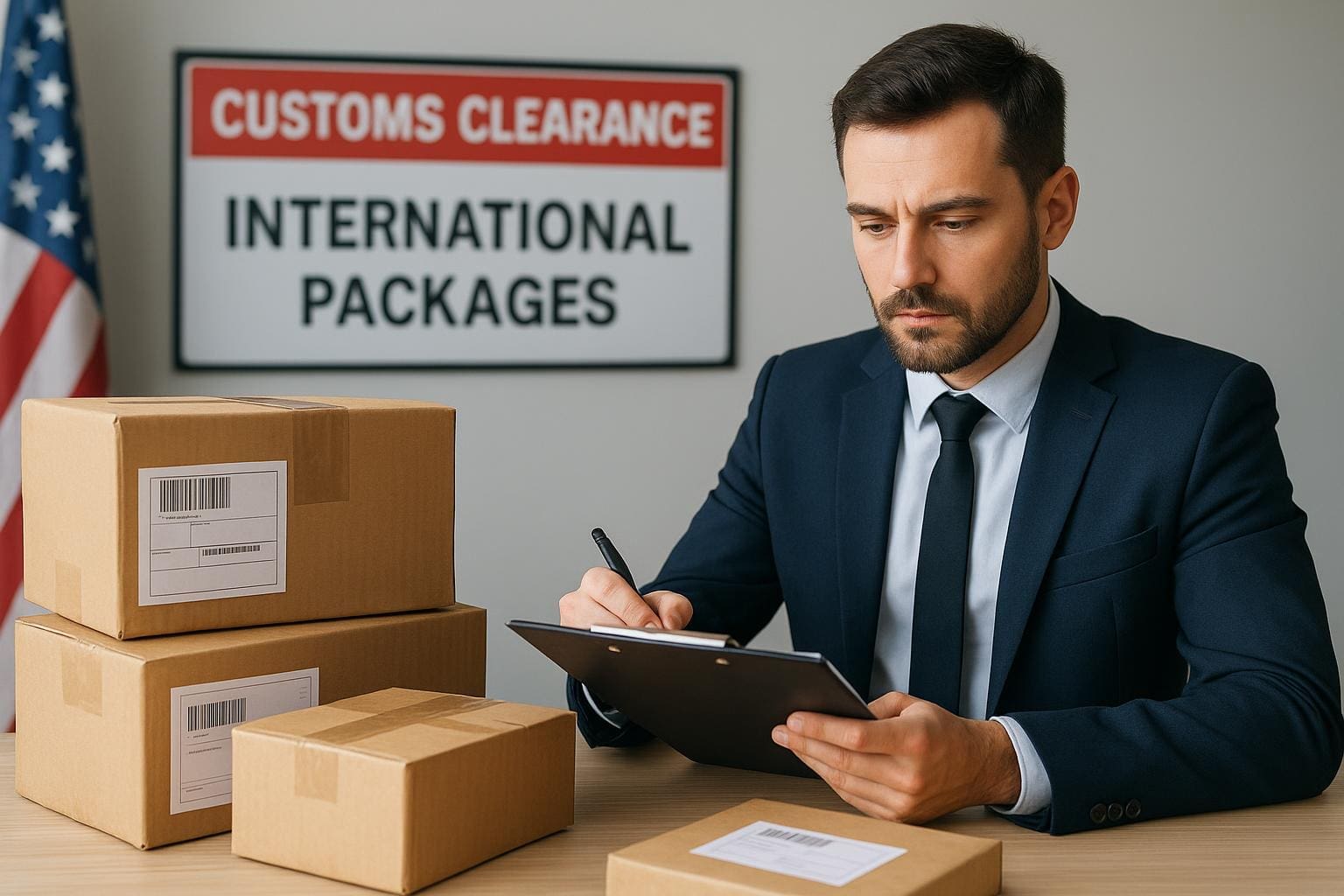
Are USPS Shipping Boxes Free How To Access Free Supplies

are usps shipping boxes free

Short answer: yes — but with conditions. You can get free boxes from the Postal Service, but they’re meant for specific services and there are practical limits to how and when you can grab them.

## Are USPS Shipping Boxes Free And How To Get Them
When people ask are usps shipping boxes free they usually mean two things: can I get cardboard and envelopes for no charge, and can I use them for any shipment? The Postal Service hands out packaging at no cost for qualifying services — mainly Priority Mail and Priority Mail Express (that includes flat-rate boxes and padded envelopes). You don’t pay extra for the box itself, but you still pay postage for whatever service you use. That detail is where a lot of confusion starts.

### Which Types Of Boxes Are Free
USPS offers a handful of standard free shipping options tied to its services. Priority Mail boxes and envelopes, flat-rate boxes and envelopes, padded flat-rate envelopes, and many Priority Mail International boxes are part of that lineup. If you’re using Priority Mail or Priority Mail Express, you can use those free USPS-supplied containers. People also call these free shipping boxes, and that terminology is accurate in practice — the packaging is provided at no extra charge by the carrier for customers using those services.

Not everything is free, though. If you want a special container for First-Class Package Service or a custom-sized box, you either use your own box or buy one. And while you can sometimes get other small items at the counter (labels, tape samples), expect to pay for nonstandard supplies.

### How To Order Free Shipping Boxes Online
If you prefer to plan ahead, go to the USPS website and use the “Order Free Supplies” page. You pick the types and quantities you need and they ship them to your address. Delivery usually takes a few business days. Many small sellers and solopreneurs do this monthly so they always have a stack of small flat-rate boxes on hand.

A few practical tips:
– You’ll need to be specific about sizes. If you’ll ship books, choose the media mail or small flat-rate options when available.
– Orders can be limited if you’re placing very large volume requests. For typical household or small-business needs, that’s not an issue.
– You can also print labels with Click-N-Ship and schedule pickup — then the carrier brings postage-paid boxes right alongside your shipments.

### Showing Up At The Post Office Works Too
If you don’t want to wait for a delivery, visit a local post office. Clerks usually keep a supply of the common boxes and envelopes behind the counter or in a supply closet. Ask for the free Priority Mail boxes or say you need a padded flat-rate envelope. If you’re polite and not asking for a pallet of boxes, you’ll walk away with what you need.

A realistic approach: don’t expect every size to be available at every branch. Small stations might only stock the most commonly used pieces. If a particular item matters, check online first, or call ahead to see if your branch has it in stock.

#### How Pickup Can Deliver Supplies
If you’re already using carrier pickup for shipments, you can often request free supplies when scheduling. Carriers or local postal personnel can leave a small bundle of boxes on the next pickup round, which is handy if you keep running low.

## Practical Limits And Rules To Know
People who ask are usps shipping boxes free sometimes expect unlimited access. That’s not how it usually works. The boxes are free because they’re intended for mail that will be sent via the Postal Service. Using them for another carrier violates USPS policy. Also, taking huge quantities for resale, or hoarding boxes you never use, is frowned upon.

If you run a business and need large quantities, USPS has business solutions and commercial supply channels where availability and limits are clearer. For casual or small-scale use, the system is generous enough.

### Tips For Small Businesses That Rely On Free Boxes
I know a few Etsy sellers who count free boxes as part of their cost-cutting. Their workflow looks like this: order a steady supply of small flat-rate boxes online, print labels at home via Click-N-Ship to get commercial rates, schedule a carrier pickup, and reuse padding from incoming shipments. It’s not glamorous, but it cuts monthly packaging costs meaningfully.

A few operational points they follow:
– Keep an inventory sheet so you’re not over-ordering.
– Label box sizes clearly for staff to avoid opening the wrong package size.
– Reuse packing peanuts or paper when possible — just make sure they’re clean.

#### Packaging And Weight Considerations
Free boxes aren’t magic. They all have size and weight limits. A small flat-rate box might be a bargain if your item weighs 3–4 pounds, but a heavy item will cost the same or more than other options. If your shipment is light but awkwardly shaped, free shipping boxes from USPS can be ideal. If it’s heavy, calculate whether a custom box and zoned pricing might be cheaper.

Make sure fragile items recieve adequate cushioning, and always use enough tape. Flat-rate boxes can fail fast if poorly sealed.

## When Free Boxes Aren’t The Right Move
There are times when free USPS boxes are a poor fit. If you’re shipping internationally with complicated customs needs, you might prefer your own boxes to ensure your paperwork fits and labels attach cleanly. Likewise, oversized items that don’t match flat-rate dimensions will force you into variable-rate postage. A quick rule: use USPS free boxes when their dimensions match your product and the service’s flat rate or included packaging makes the total price predictable.

### Alternatives If You Can’t Get Or Use USPS Supplies
If you can’t get free boxes, consider these options:
– Buy plain corrugated boxes in bulk from office suppliers — cheaper per piece once you reach decent quantities.
– Reuse boxes from deliveries you receive. Flatten and store the best ones; they’re free and sturdy.
– Use eco-friendly mailers or padded envelopes bought in bulk, which can be lighter and cheaper at scale.

## Common Misunderstandings People Have
One misconception is that “free” means “no cost for shipping.” That’s not true. USPS provides the box, but you still pay postage. Another confusion comes from size names: people think “flat rate” equals “best price.” Flat rate is predictable, not always the cheapest.

Another point: the phrase are usps shipping boxes free is often typed into search when someone needs immediate boxes. That’s fine — use the search to find your nearest supply source, then decide whether online ordering or a quick walk to the post office is faster.

#### Safety And Labeling Best Practices
Whatever box you use, label placement is important. Keep labels on a flat surface, avoid seams and corners, and cover or remove old labels if reusing boxes. For valuable or fragile goods, consider signature confirmation or insurance — the box is free, but replacement value is not.

## Final Practical Steps To Get Free USPS Boxes Today
Head to USPS.com and hit the “Order Free Supplies” link or stop by your local branch. If you’re short-term strapped, ask a clerk for small flat-rate or padded envelopes and accept whatever they have. If this will be a recurring need, set up a simple inventory system and align your shipping service (Priority Mail, usually) with the boxes you ordered.

Remember: when you’re wondering are usps shipping boxes free, the short, useful answer is yes — for certain services and if you follow the rules. The rest is about matching sizes, services, and timing so the free supplies actually save you money and hassle.

How To Create A Return Policy For Ecommerce: A Smart Guide

how to create a return policy for ecommerce

The commerce landscape hums with movement: packages soar, carts float between checkout and regret, and your brand’s reputation rides on a delicate return current. A thoughtfully written return policy steers that current into loyalty, not friction. Below you’ll find a creative yet practical guide on sculpting clarity, reducing friction, and protecting margins.

## How To Create A Return Policy For Ecommerce

When merchants ask how to create a return policy for ecommerce, they usually mean two things: how to make customers comfortable enough to buy, and how to make returns predictable enough to run a healthy business. A clear return policy accomplishes both. It reduces buyer hesitation, minimizes costly disputes, and converts a potential negative touchpoint into an opportunity for repeat business.

### Why A Return Policy Is A Brand Tool

A return policy is more than legal fine print. It’s a customer service manifesto. Brands that use it strategically can signal confidence in product quality, show empathy for buyer mistakes, and communicate operational competence. Think of it as a storefront handshake: firm, transparent, and reassuring.

#### The Business Benefits Of Clear Return Rules
– Lower cart abandonment as customers see safety in buying.
– Faster resolution of disputes and fewer chargebacks.
– Valuable product feedback from returned items.
– Improved customer lifetime value when returns are handled empathetically.

### Core Elements To Include In Your Policy

When you design a return policy, cover these core elements explicitly and simply. For an ecommerce setting, ambiguity breeds calls and complaints.

#### Required Details
– Conditions For Eligibility: Unopened vs. opened items, time window (e.g., 30 days), proof of purchase.
– Refund Type: Refund to original payment method, store credit, or exchange.
– Return Costs: Who pays for shipping, restocking fees, and international return rules.
– Process Steps: How customers initiate returns (portal, email, chat), timeframe for processing refunds.
– Exceptions: Final sale, perishable goods, custom items.
– Contact Points: Email, phone, and hours for support.

### Step-By-Step Framework: How To Create A Return Policy For Ecommerce That Works

To move from principles to a working policy, follow this precise framework. The tone and clarity matter as much as the legal content.

#### 1. Audit Current Operations
List your shipping partners, average delivery times, average return rates by SKU, and common defects. Measure how long refunds currently take and where delays occur.

#### 2. Define Your Business Objectives
Decide whether you aim to reduce returns, improve conversion, or enhance brand loyalty. Your objective influences leniency. A premium brand may restrict returns to preserve margin; a new brand may accept broader returns to build trust.

#### 3. Choose Time Windows And Conditions
Standard windows are 14, 30, or 90 days. Be specific: “Items must be returned within 30 days of delivery in their original packaging, unused, with tags attached.” Ambiguity is the enemy.

#### 4. Determine Refund Mechanisms
Specify whether refunds are issued to the original payment method and how long bank reversals take. State whether shipping costs are refundable and note any restocking fees with percentages and justifications.

#### 5. Create A Return Flow
Map the customer journey: Request → Approval → Shipping Label → Inspection → Refund/Exchange. Assign SLAs for each step. This formal structure makes your processes auditable and trainable.

#### 6. Draft Clear, Plain-Language Copy
Translate legalese into friendly but precise language. Use short sentences and examples. Provide a checklist for customers to follow before sending a product back.

#### 7. Publish Prominently
Display the policy on product pages, checkout, and the FAQ. Consider a condensed “key points” box for quick scanning and a full policy link for detail.

#### 8. Monitor And Iterate
Collect return reasons and use them to improve product descriptions, photography, or sizing charts. Revisit your policy quarterly to align with customer behavior and seasonality.

### Customer Communication Best Practices

When customers interact with your policy, tone can defuse frustration. Use empathy in copy and communication flows. For example, when approving a return, send a message that thanks the customer and explains the next steps clearly.

#### Messaging That Works
– Acknowledge feelings: “We’re sorry this didn’t work out.”
– Explain steps: “Here’s how to return your item in three easy steps.”
– Set expectations: “We’ll process your refund within five business days after receiving the item.”

### Legal And Compliance Considerations

Understanding how to create a return policy for ecommerce also requires compliance with consumer protection laws and payment network rules. This section is formal and prescriptive.

#### Consumer Rights And Regulations
Laws vary by jurisdiction. Many regions mandate certain refund rights for defective goods. Ensure your policy does not contravene local “cooling-off” periods, distance selling rules, or specific product category protections (e.g., electronics, health products).

#### Tax And Accounting Implications
Document returned sales for accurate revenue recognition and tax reporting. Establish procedures for issuing credit memos and reversing sales entries.

#### Payment Processor Rules
Payment processors and marketplaces (e.g., credit card networks, Amazon, Shopify) have return and dispute resolution requirements. Align refund timelines with their chargeback dispute windows to protect against financial liability.

### Handling Complex Scenarios

Not all returns are straightforward. Below are formal remedies for common complications.

#### Damaged On Arrival
Require photos and timestamps. Authorize a prepaid return label or offer an immediate replacement when inventory permits. Document the incident and flag the fulfillment center for inspection.

#### Fraud Or Abuse
Define parameters for suspected abuse (excessive returns, returns without proof of purchase). Implement thresholds and an escalation process including holds, investigations, and potential account restrictions.

#### International Returns
Specify customs implications, who bears duties, and whether you accept returns from certain countries. Consider offering localized return addresses or partial refunds to avoid prohibitive shipping costs.

### Practical Templates And Phrases

Use concrete, tested language blocks to reduce confusion. Here are three brief templates you can adapt.

#### Basic Refund Clause
Items are eligible for a full refund if returned within 30 days of delivery, unused, and in original packaging. Refunds will be issued to the original payment method within 7 business days of receiving the return.

#### Exchange Option Clause
If you prefer a replacement, indicate the desired size/color at the time of return. Exchanges are processed within 5 business days of receipt and shipped with priority to minimize your wait.

#### Final Sale Exception
Certain items, such as perishable goods, personalized items, and clearance merchandise, are final sale and not eligible for return.

### Measuring Success: KPIs For Your Return Policy

Track quantitative and qualitative metrics to gauge whether your policy is working.

– Return Rate By SKU
– Average Time To Refund
– Customer Effort Score For Returns
– Repeat Purchase Rate After A Return
– Cost Per Return (shipping, restocking, labor)

Regular analysis helps you decide whether more lenient terms are improving lifetime value or simply increasing operational costs.

### Frequently Asked Practical Questions

Q: Will a liberal policy increase abuse?
A: Some increase in opportunistic returns may occur, but many studies show a well-communicated, generous return policy increases conversion and net revenue.

Q: Should shipping be free for returns?
A: If your product margins allow, free returns remove a major friction point. Otherwise, consider free returns only for exchanges or purchases above a certain value.

Q: How do I display the policy?
A: Use a short banner on product pages and add the full policy at checkout and in the footer. Make the returns portal easy to locate and mobile-friendly.

As you build and refine policies, remember that the mechanics of how to create a return policy for ecommerce are both art and system engineering. A clear policy reduces customer anxiety, streamlines operations, and turns returns into repeat business opportunities. Consider the policy a living document — one that should be revised as product mixes, shipping partners, and customer expectations evolve — and test small changes to find the optimal balance between customer satisfaction and cost control.

Finally, use the insights from returns to inform product design, photography, and descriptions. When returns are treated as data, you not only solve immediate problems but build a smarter operation that anticipates and reduces future returns. How to create a return policy for ecommerce is not a one-time task; it’s an iterative discipline that pays off in loyalty, clarity, and healthier margins.

Where To Get Free USPS Boxes: A Guide For Shipping Supplies

where to get free usps boxes

Finding cost-effective packaging solutions is essential for individuals, small businesses and nonprofit organizations that ship goods regularly. This guide explains where to get free usps boxes and outlines reliable methods for acquiring suitable packaging without incurring additional expense. It also examines practical considerations such as size selection, labeling, and compliance when using complimentary materials.

Organizations and individuals should understand the distinctions among official Postal Service supplies, community-donated cardboard, and reused retail boxes to ensure shipments are secure and claims are manageable. The following sections present an organized approach to sourcing and using free materials while maintaining professionalism in shipment preparation.

## Where To Get Free USPS Boxes: Locations And Options
Below are the most reliable answers to the question where to get free usps boxes, presented in order of convenience and regulatory clarity. Each option has strengths and limitations depending on volume requirements, timing and the level of formality required for your shipping operation.

### Official USPS Sources
The United States Postal Service is the primary and most consistent source of free Priority Mail packaging. Individuals may obtain flat-rate boxes, Priority Mail boxes and certain shipping envelopes at no cost when the boxes are used for USPS shipments. Relying on official USPS sources ensures compatibility with postal services and typically simplifies the use of prepaid flat-rate pricing.

#### Ordering Through The USPS Website
Visit the USPS website to request free shipping supplies; an account and delivery address are required. The online service allows you to select specific sizes and quantities of free usps boxes and have them delivered to your residence or business. Delivery lead time should be considered if you require boxes on short notice.

#### Picking Up At The Post Office
Most retail Post Office locations stock flat-rate and Priority Mail packaging for immediate pickup. If you need specific sizes or quantities, call ahead to confirm availability. Post Office staff can advise on which usps boxes are appropriate for fragile or oversized items and may reserve supplies for businesses with regular demand.

### Third-Party And Community Options
If official channels cannot meet your demand, learn where to get free usps boxes beyond the USPS network, including retail donors and online community exchanges. These alternatives can supply large quantities and unusual sizes but may require additional inspection and reinforcement before use.

#### Retail And Grocery Store Donations
Many retail establishments and grocery stores discard sturdy boxes after receiving new inventory. Managers are frequently willing to set aside boxes for reuse; politely inquire about available options and pickup times. Non-branded boxes from these sources can serve as effective substitutes for official usps boxes when appropriately labeled and reinforced.

#### Online Freecycle And Community Exchanges
Community marketplaces such as Freecycle, Craigslist (free section), Nextdoor and Facebook Buy Nothing groups are dependable places to find moving and shipping boxes at no cost. Search terms like “free boxes” or “moving boxes” often yield sets of boxes that are suitable for shipping. In some cases, donors will include USPS-branded packaging in a lot; search carefully if brand is important.

### Considerations For Using Free Boxes
When evaluating where to get free usps boxes, prioritize sources that supply clean, undamaged packaging to avoid claims denials and customer dissatisfaction. The condition, size and material strength of the box directly affect its performance in transit.

Document the size and type of usps boxes used when filing a claim or providing proof of proper packaging. Retain photographs of the boxed item prior to shipment and maintain any receipts or order confirmations when boxes are supplied by official channels.

#### Quality And Inspection Tips
– Inspect corners and seams for weakness, water damage or pest residue.
– Reinforce bottom seams with quality packing tape if there is any doubt about structural integrity.
– Sanitize gently if necessary and appropriate for the item being shipped; porous cardboard may require careful handling to avoid damaging perishable or sensitive contents.

### Preparing Shipments With Free Materials
When preparing shipments, be mindful of where to get free usps boxes that meet size and strength requirements for your goods. Measure items carefully and allow for adequate cushioning: at least two inches of protective material on all sides is recommended for fragile items.

If you cannot locate where to get free usps boxes locally, ordering directly from USPS remains the most consistent option and should be considered when packaging needs are time-sensitive or when shipping liability considerations are paramount.

### Labeling, Postage And Carrier Compliance
Free USPS boxes supplied by the Postal Service are intended to be used with USPS shipments. Affixing postage from another carrier to official USPS packaging or attempting to use complimentary USPS material with a different carrier may violate postal regulations and could complicate claims or reimbursement.

Always apply proper postage, include a complete recipient address and, if applicable, purchase tracking and insurance that corresponds to the declared value and desired service level. For flat-rate boxes, purchase the flat-rate label through USPS to ensure the prepaid option is honored.

### Special Circumstances And Volume Needs
Businesses that ship in higher volumes should establish a predictable replenishment strategy for packaging. Options include scheduling regular orders from USPS, arranging ongoing pickups from local retailers, or securing a dedicated supplier relationship with a community donation program.

If your supply chain depends on periodic donations, maintain a rotating inventory policy and inspect all donated boxes before use. This mitigates the risk of discovering unusable materials at the moment of shipment.

### Saving Money And Sustainability
To combine cost savings with sustainability, prioritize acquiring free usps boxes from postal requests or community exchanges rather than buying new cardboard. Reusing boxes reduces waste and often provides packaging that is already sized for shipping tasks. Flatten unused boxes for storage and keep them organized by size and condition to maximize longevity.

If procurement of free boxes is not feasible, consider purchasing recycled or FSC-certified boxes from commercial suppliers as a sustainable alternative. Factor in the total cost of replacement, tape and padding when evaluating whether to buy new materials.

### Troubleshooting Common Issues
If packing supplies fail or you misjudge dimensions, revisit guidance on where to get free usps boxes and suitable alternatives that match your specific shipment requirements. Replace or reinforce boxes with similar-strength material and update shipping labels if the box size changes to ensure carrier scan accuracy.

If a damaged shipment results from inadequate packaging, insurance claims are more likely to succeed when you can demonstrate that the box was of appropriate quality and that reasonable protective measures were used. Preserve damaged materials and document condition immediately upon delivery.

### Practical Policies For Organizations Distributing Boxes
When distributing donated or complimentary packaging within an organization, implement a simple policy that specifies acceptable conditions and documentation for each box. Policies should define acceptable wear levels, cleaning procedures and responsibilities for replenishment requests. Clear internal standards reduce waste and maintain consistent shipment quality across staff.

If you intend to advertise availability of complimentary shipping supplies to the public or clients, provide clear instructions regarding acceptable uses and any limitations, such as the requirement to use USPS services when utilizing USPS-branded packaging. This protects both reputation and compliance with carrier terms.

### Legal And Insurance Implications
Be aware of the conditions attached to complimentary postal supplies. Using USPS-branded boxes for non-USPS shipments or altering prepaid packaging without authorization can create service disputes. When shipping high-value items, purchase declared-value coverage and retain all documentation proving appropriate packaging and postage.

If uncertainties arise regarding packaging eligibility, consult local Post Office personnel or the USPS website for up-to-date policies and clarifications. They can advise on whether a particular box is covered by specific services or insurable under standard procedures.

USPS Commercial Rates Vs Retail Rates: The Insider Edge

usps commercial rates vs retail rates

The secret is out: small businesses and savvy sellers have been quietly siphoning off massive savings from a giant most people think of as “just the post office.” Once you hear the numbers, you’ll feel cheated — unless you learn the insider tricks that turn postage from a profit-sink into an advantage that feeds your bottom line.

## USPS Commercial Rates Vs Retail Rates: The Insider Edge
The showdown you didn’t know you needed: usps commercial rates vs retail rates. This isn’t just a few pennies here and there. It’s a multi-billion-dollar gap carved into the way postage is sold. Retail vs commercial battles daily over how much you pay for the exact same Priority Mail box or First-Class envelope. When the scales tip in favor of commercial methods, businesses pocket discounts so dramatic they can undercut competition or absorb shipping with no margins lost. For anyone who ships more than a couple of packages a month, ignorance here is expensive.

### Why The Difference Feels Like Theft
Hear this and shudder: the Postal Service charges different prices for identical services based entirely on how you buy them. Walk into a Post Office and pay at the counter? That’s retail pricing. Print your label online through a USPS-approved vendor, or use a permit imprint or postage meter? That’s where usps commercial rates live, sometimes offering discounts of 20% or more on popular services. This isn’t a complex tax — it’s a distribution of convenience and volume discounts, and the Postal Service has structured its rates to reward electronic acceptance, automation, and volume.

### The Mechanics Behind The Discounts
The logic is straightforward and coldly efficient. Commercial rates exist because online shipping and permit systems reduce labor costs and speed handling. Those efficiencies translate into reduced fees. So when you compare usps commercial rates vs retail rates, you’re really comparing the cost of manual handling and counter-service overhead versus streamlined, automated fulfillment. Add in high-volume bargains like Commercial Plus and the gap widens even more.

#### How Big Is The Gap?
An illustrative example: a 2 lb Priority Mail parcel could cost $8.50 via commercial base pricing but $11.25 at retail — numbers that vary with zone but demonstrate the magnitude. Multiply that by dozens or thousands of shipments each month and you get the astronomical real-world impact.

## The Hidden Triggers That Move You Into Commercial Pricing
Some sellers assume that only Fortune 500 companies can access discounts. Not true. Several triggers can move an account into commercial pricing territory:
– Using Click-N-Ship, PC Postage, or permit imprint
– Paying via online postage vendors and printing barcoded labels
– Meeting minimum monthly volumes for Commercial Plus tiers
These are the operational keys — not political connections or secret handshakes.

### Retail Vs Commercial: Common Pitfalls
The retail vs commercial conflict often boils down to three avoidable mistakes:
1. Paying at the counter instead of printing labels ahead of time.
2. Using non-integrated solutions that force manual processing.
3. Ignoring third-party postage options where valid.
Avoid those and you neutralize the most common traps that keep businesses paying retail when commercial would save them.

## How To Claim Commercial Rates (The Remedy)
This section describes a practical, formal set of steps to obtain commercial pricing. Follow precisely to transition from retail to commercial rates efficiently and compliantly.

#### Required Materials And Information
– Legal business name and address
– Employer Identification Number (EIN) or Social Security Number (for sole proprietors)
– USPS business account registration (e.g., Business Customer Gateway)
– Scale capable of weighing packages accurately
– Computer with internet access
– Thermal label printer or standard printer and label stock
– Optional: Permit imprint or postage meter (for permit-based postage)
– Optional: Account with a PC Postage provider or approved reseller (Stamps.com, Endicia, ShipStation, etc.)

#### Step-By-Step Enrollment And Application
1. Register Your Business Account
– Create an account on the USPS Business Customer Gateway. Use your business name and EIN to ensure your shipping profile is recognized as commercial.

2. Choose A Commercial Method
– Decide whether to use Click-N-Ship Business, a PC Postage provider, a permit imprint, or an approved shipping platform. Each grants access to commercial base rates; high-volume users should investigate Commercial Plus eligibility.

3. Acquire Necessary Hardware
– Obtain a certified scale and a reliable label printer. Accurate weights and machine-printed labels are prerequisites for online postage and help avoid reweigh charges.

4. Integrate Software Or Vendor Services
– Set up your chosen provider. Enter package dimensions, weight, and service preferences. Configure account billing and ensure USPS-acceptable manifesting.

5. Test And Validate
– Print several labels and process them through your normal shipping flow. Verify that the postage printed reflects commercial pricing and that tracking numbers scan correctly at drop-off or pickup.

6. Implement Best Practices
– Always pre-print labels when possible. Use address validation tools to reduce returns. Schedule pickups or use permit-based drop-offs to maximize automation.

7. Monitor Volume And Apply For Deeper Discounts
– Track monthly shipments. As volume grows, contact USPS regarding Commercial Plus or other negotiated rates. Provide shipping manifests and historical data when requested.

8. Maintain Compliance
– Keep records of postage usage and manifests per USPS requirements. Ensure non-compliance does not trigger retroactive charges.

Follow these steps to systematically migrate your operation from retail pricing to the efficiencies of commercial rates.

### When Commercial Plus Matters
If your monthly volume climbs, Commercial Plus pricing can deliver even larger savings but requires more negotiation, data sharing, and sometimes contractual arrangements. Prepare shipment data and projected volumes in advance; transparency helps secure superior tiers. This part of switching to commercial can be technical — enlist your shipping platform or a consultant if necessary.

## Real-World Examples That Feel Like Insider Trading
Imagine an Etsy shop selling 500 small sculptures monthly. By printing labels online through a PC Postage provider, the owner moves from retail to usps commercial rates and reduces shipping cost by an average of $2.75 per package. That’s $1,375 monthly in reclaimed margin — enough to hire help, advertise, or simply expand SKU variety. This is not hypothetical; it’s the everyday outcome for sellers who move method rather than mind.

### Beware Of The Myths
Don’t be fooled by three persistent myths:
– Myth 1: You need massive volume to access commercial pricing. False — small businesses can access commercial base rates today through online tools.
– Myth 2: Commercial rates are a trap with hidden fees. Not inherently; transparency is the key. Use reputable vendors and monitor invoices.
– Myth 3: Switching costs outweigh savings. Often the opposite; initial setup is minor and savings recur.

## Tactical Tips For Maximizing The Insider Edge
– Consolidate shipments where feasible to reduce per-package zone pricing.
– Use regional rate boxes or flat-rate where the math supports it — sometimes retail flat-rate is still better for heavy but short-distance shipments, so know when to choose.
– Audit postage monthly. Even small misconfigurations add up.
– Leverage address validation and automation to cut return and reweigh fees.

### The Final Accounting: Numbers That Bite
When you look at your P&L, shipping is rarely inert. It either drains margin or feeds growth. Transitioning to usps commercial rates is one of the simplest operational changes with measurable impact. The battle of usps commercial rates vs retail rates is not academic — it’s monetary, recurring, and winnable.

#### Quick Checklist Before You Change
– Do you have a business account? If not, create one.
– Are you printing labels electronically? If not, start immediately.
– Is your volume tracked? Prepare data to ask for Commercial Plus if you qualify.
– Are your packaging and scale accurate? Invest here if not.

The gap between retail vs commercial is not a mystery reserved for corporate shipping managers; it’s a lever any informed shipper can pull to gain a decisive edge.

Understanding Why Does Shipping Cost More: Fees & Rates

why does shipping cost more

Rising parcel bills are a fact of modern commerce, and understanding cost drivers helps you control them. Below I explain the main reasons carriers and sellers charge more, how pricing structures work, and two formal, actionable remedies you can implement to lower costs and avoid surprises.

## Why Does Shipping Cost More: The Primary Drivers

Carriers raise prices for predictable and interconnected reasons. Asking why does shipping cost more often leads to a few recurring themes: fuel and energy prices, labor and capacity constraints, and pricing models that favor dimensional weight over actual mass. When you look beyond a single invoice, the combination of these dynamics explains rapid increases in shipping charges.

### Fuel, Labor And Capacity

– Fuel Costs: Transport depends on diesel, jet fuel, and electricity. When fuel markets rise, carriers tack on surcharges or increase base shipping rates.
– Labor Costs: Higher wages, overtime, and training expenses for drivers, sorters and customer support push carriers to adjust shipping rates.
– Capacity Constraints: During high demand periods or supply chain bottlenecks, carriers have fewer trucks and fleets available, which increases marginal cost.

### Pricing Methodologies And Dimensional Weight

Dimensional weight pricing turns bulky but light packages into expensive shipments. Carriers calculate a volumetric weight using package dimensions and charge the greater of actual weight or dimensional weight. Because e-commerce tends to use lightweight packing that still occupies space, carriers capture more revenue this way.

### Service Complexity And Last-Mile Costs

Last-mile delivery is often the most expensive leg. Urban congestion, failed deliveries, and unstructured stops inflate operational time. Carriers may raise shipping rates or add targeted surcharges for residential, rural, or liftgate delivery to reflect that cost.

## Common Line Items That Make Costs Spike

### Fuel Surcharges, Accessorials, And Tariffs

Line items labeled as fuel surcharges, peak season adjustments, or customs duties all contribute. These are often separate from base shipping rates and can be adjusted frequently.

### Dimensional Weight And Packaging Inefficiencies

Packages that are large relative to weight trigger dimensional weight charges. Using oversized boxes or inefficient packing materials increases your bill even when the product itself is light.

### Insurance, Handling, And Extra Services

Add-ons such as declared value insurance, signature confirmation, and special handling count as extra fees. These are optional but often enabled by default on marketplaces or carrier portals.

## How Carriers Set Shipping Rates And Extra Fees

### Contracted Rates Versus Retail Prices

Businesses with volume often negotiate lower, contracted shipping rates. Small shippers frequently see retail or list rates, which are higher. Contract terms, guaranteed volumes, and route consistency influence negotiated pricing.

### Market And Regulatory Influences

Geopolitical events, regulatory changes, and currency fluctuations affect cross-border shipments. Tariffs and customs clearance can appear as sudden jumps in cost that answer the question why does shipping cost more for international orders.

## Remedy 1: Optimize Packaging And Dimensional Weight (Formal Steps)

This remedy targets dimensional weight and packaging inefficiencies that directly cause higher charges. Follow the materials list and steps below formally to reduce volume-based costs.

#### Materials Required

– Accurate tape measure and scale
– Right-sized mailers, boxes, and void-fill materials
– A box calibration chart or dimensional weight calculator (spreadsheet or tool)
– Standard operating procedure (SOP) template for packing

#### Step-By-Step Creation And Application

1. Audit Current Packaging: Measure sample SKUs and record package dimensions and weights for at least 50 shipments across various product types.
2. Calculate Dimensional Weight: For each sample, apply carrier dimensional formula (for example, length × width × height / carrier divisor) to determine which shipments are penalized by dimensional weight.
3. Standardize Box Sizes: Design a set of standardized box sizes that minimize empty space while fitting most SKUs. Implement right-sizing policies so packers choose the smallest approved box that fits.
4. Implement Packing SOPs: Create a formal SOP that includes measurement verification, acceptable void-fill materials (e.g., recyclable paper, air pillows), and instructions to avoid unnecessary packing layers.
5. Train Packing Staff: Conduct formal training sessions and monthly audits. Ensure each packer uses the scale and measures packages before sealing.
6. Reprice Or Repackage Bulky SKUs: For items that remain volumetrically heavy, consider re-engineering product packaging or offering flat-rate shipping for those items to internalize cost.
7. Monitor Results: Track shipment costs per parcel, dimensional weight occurrences, and volume of extra fees. Adjust box sizes and SOPs quarterly.

By following these structured steps, you reduce the frequency of dimensional-weight charges and lower base shipping rates on many shipments.

## Remedy 2: Negotiate Carrier Contracts And Use Multi-Carrier Tools (Formal Steps)

This remedy focuses on reducing base shipping rates and extra fees by leveraging volume, comparison, and automation.

#### Materials Required

– Historical shipping data (6–12 months), including zones, weights, and carrier invoices
– Multi-carrier shipping software or rate-shopping API
– List of target carriers (national, regional, and courier alternatives)
– A negotiation worksheet that outlines current volumes and target terms

#### Step-By-Step Creation And Application

1. Consolidate Shipping Data: Export orders and invoice-level details for the past 6–12 months. Include destination zones, weights, dimensions, declared values, and all line items for extra fees.
2. Analyze Spend And Patterns: Identify high-cost routes, frequent surcharges, and parcel profiles that dominate spend. Quantify monthly parcel counts and trends.
3. Engage Multiple Carriers: Solicit proposals from a mix of national and regional carriers. Present aggregated volume and ask for line-item pricing for base rates, fuel surcharges, and accessorials.
4. Use Rate-Shopping Tools: Implement a multi-carrier shipping solution that performs automated rate comparisons at checkout and for fulfillment selection. Configure rules to select the best combination of price, transit time, and service.
5. Negotiate Contract Terms: With data in hand, negotiate not only lower base shipping rates but also caps on specific extra fees and more favorable dimensional weight divisors where possible.
6. Test And Implement: Pilot contracted rates with a subset of SKUs or regions. Validate invoice accuracy and the functionality of rate-shopping rules.
7. Review Quarterly: Reassess carrier performance and costs quarterly. Ensure contracted guarantees are met and renegotiate as volume changes.

This formal, data-driven approach reduces reliance on a single carrier and lowers average shipping rates while reducing exposure to unpredictable extra fees.

### Using Consolidation And Fulfillment To Reduce Costs

Consolidation services, regional carriers, and distributed fulfillment centers can reduce last-mile distance and avoid peak-season surcharges. When asking why does shipping cost more for long-haul last-mile deliveries, consider whether a network redesign could move inventory closer to customers and thereby reduce average shipping rates.

### When Extra Fees Make Sense

Some extra fees are defensible: declared value for high-cost items or specialized handling for fragile goods can be cheaper than the expected loss via claims. Evaluate fee tradeoffs formally against historic losses to make rational decisions instead of blanket removals.

## Monitoring, Reporting And Continuous Improvement

Track unit shipping cost, average transit time, and frequency of extra fees. Set KPIs and use dashboards that alert when a particular route or SKU crosses a cost threshold. Regular review cycles let you answer why does shipping cost more for specific segments and correct course quickly.

## Practical Consumer Tips To Avoid Surprises

For end customers and small sellers: choose consolidated retailers, plan purchases outside peak seasons, combine items into a single shipment, and verify that any free-shipping offer isn’t offset by inflated product prices. Check carrier policies for dimensional weight and declared value so there are no surprises at checkout.

(End of article — no concluding paragraph provided.)