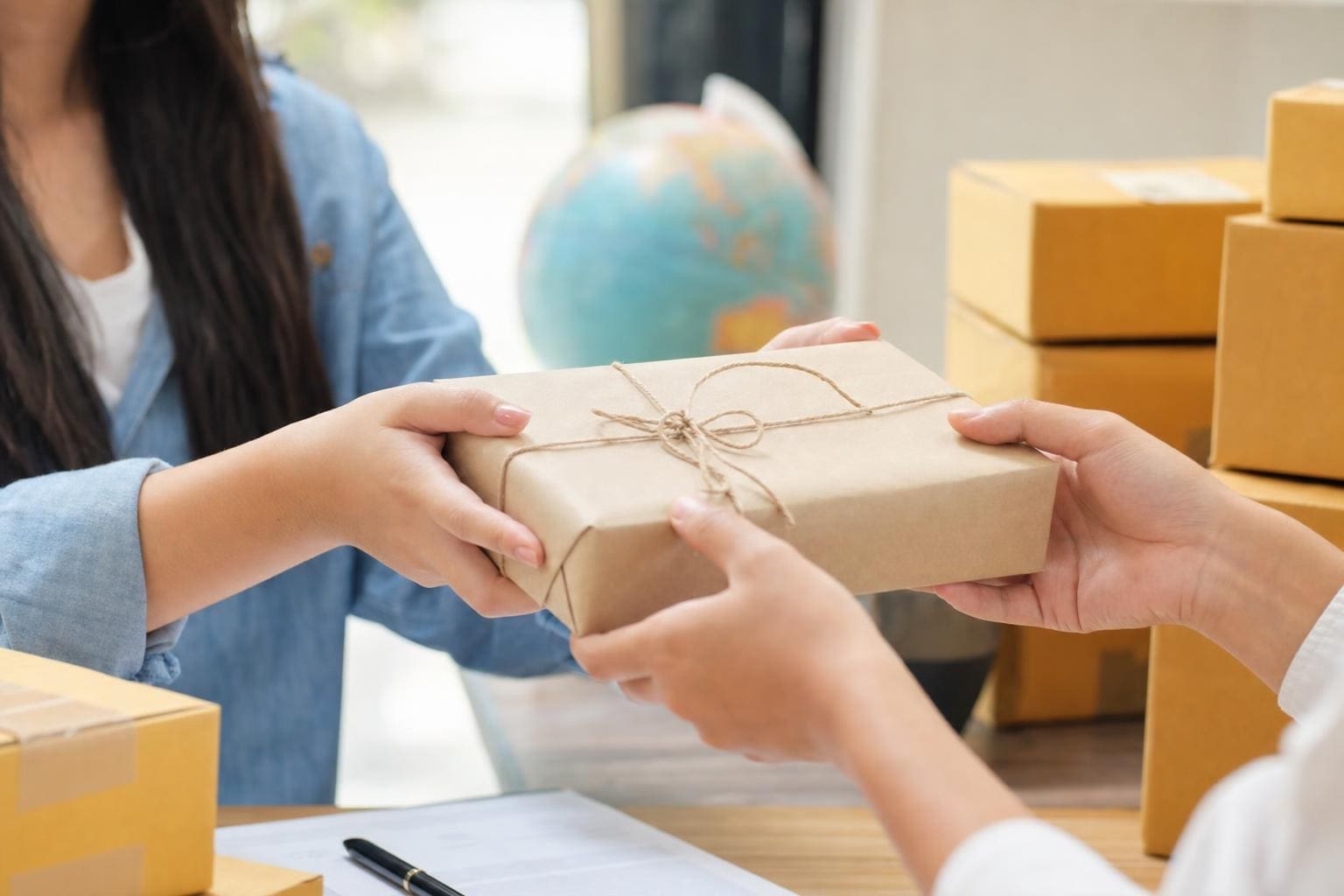
A friend asked me to send a birthday present overseas and then panicked when the carrier asked about customs forms. That’s a familiar starting point: people assume sending a gift is simple until the paperwork shows up. The rules aren’t mystical, but they’re specific. If you want the package to arrive on time and avoid extra fees, you need to know what to write, what to value, and what the receiving country will actually allow.
## Gift Declarations For International Shipping: How To Do It Right
Start here: gift declarations for international shipping are the paperwork entries and labels that tell customs why a package is coming into a country and what’s inside. That’s it. The label can affect whether the package gets duties, is inspected, or sits in a regional warehouse for days. If you get the description, value, and supporting documents wrong, expect delays and possible fines.
### When You Should Use A Gift Declaration
Not every package qualifies as a gift. A true gift is usually unsolicited, sent from one private person to another, and not part of a commercial transaction. If you’re selling something and shipping it abroad, that’s not a gift. If you send more than a trivial amount of the same item to the same person repeatedly, customs may treat it as commercial anyway.
Countries set thresholds for duty-free gifts. For example, some places allow small-value gifts under a certain monetary limit to enter duty-free. Others don’t. When you’re filling out forms, check the receiving country’s specific rules before you mark something as a gift.
### What To Put On The Customs Form
Customs wants three things: what the item is, what it’s worth, and why it’s being sent. That’s the core of customs declarations. Be precise. “Clothing” is better than “goods,” “handmade scarf” is better than “gift.” If you misname or understate value to dodge duty, that’s a legal risk.
– Description: Short and specific. Include material and purpose if relevant.
– Value: Use the market value or the price you would expect to pay. Don’t guess too low.
– Reason For Export: Select “gift” if it truly fits.
Include an invoice or gift note inside the package when possible. A clear paper trail makes customs exams easier and speeds things up.
#### Declaring Jewelry, Electronics, And High-Value Items
If you’re sending fragile, expensive, or regulated items, expect extra scrutiny. Electronics and jewelry commonly trigger inspection. Some countries require certificates or licenses for specific goods. For example, you might need to show proof that jewelry contains no conflict materials or that electronics meet import standards.
If the item is over the host country’s gift threshold, you may need to pay duties. Be honest about value. If customs finds a declared value far below market, they’ll adjust it and you’ll owe taxes plus administrative fees.
## How Different Countries Treat Gift Shipments
There’s no single global rulebook. The United States, European Union members, Canada, Australia, and many other countries have different thresholds and paperwork. That means the same package may be duty-free in one country and taxed in another.
### Examples Of National Thresholds
I’ll avoid a full table because these numbers change. Instead, know this: some countries exempt gifts under $45-100, others under $200, and a few don’t have a meaningful exemption for gifts at all. Check the official customs site for the destination before you ship. Small mail carriers often have links to those resources.
#### Practical Tip For Frequent Shippers
If you ship gifts regularly to a single country, save the local customs guidance. Bookmark the page, note thresholds, and keep copies of any required paperwork templates. It saves trouble later, especially if you send seasonal packages.
### Mislabeling Consequences
People sometimes mark a sold item as “gift” to avoid taxes. Customs systems can red-flag packages. If the mistake is detected, the recipient may face fines or the parcel could be returned. Worse, repeat behavior can get your shipping account suspended by carriers. Don’t take the shortcut.
## Filling Out The Form: Step-By-Step
This is the lean version: fill in the required fields, don’t invent extras, and attach proof.
### Step 1: Describe The Item Accurately
Write a clear item name. Use enough detail to identify it on inspection. Example: “Cotton baby blanket” beats “present.”
### Step 2: Put A Realistic Value
Don’t guess. Use the retail price or fair market value. If a family heirloom can’t reasonably be valued, give a best estimate and explain it on supporting papers.
### Step 3: Select The Correct Reason (Gift)
Tick “gift” on the customs declarations form when appropriate. If given subcategories, choose the one that fits: personal gift, sample, promotional gift, etc.
### Step 4: Include Contact Info
Put your full name and a working phone number. The reciepent’s name and a correct adress matter more than you think. Mistakes mean delays.
### Step 5: Add Extra Documents If Needed
Receipts, invoices, or a handwritten gift note help. For complex goods, include certificates or licenses required by the destination country.
## Postal Vs. Courier: Different Expectations
National postal services and private couriers treat gift declarations differently. Couriers may have stricter paperwork and charge brokerage fees for clearing customs. Postal services sometimes have lower handling fees but longer transit.
If you want speed and tracking, choose a courier. If cost is the priority and time is flexible, the postal service often works fine. Either way, the customs declarations you fill out are critical.
### Brokerage Fees And Who Pays
Even when an item is declared as a gift, carriers may charge brokerage fees to process customs paperwork. Those fees are billed to the recipient unless you arrange prepaid duties and taxes. Discuss this with the person receiving the gift. It’s an easy surprise for them otherwise.
## Common Problems And How To Avoid Them
Customs holds packages for many reasons. The most common are unclear descriptions, missing phone numbers, and undervalued items. Here are a few practical fixes that actually help.
– Use clear, consistent descriptions on both the label and customs form.
– Attach an invoice or handwritten note explaining the situation.
– Avoid unfamiliar abbreviations or vague terms.
– Check the destination country’s allowable items list before packaging.
### What To Do If Customs Contacts You
If customs reaches out, respond quickly. Provide additional information, like proof of purchase or a letter explaining the gift nature. Delays in replies often lead to returns or destruction of the item if it’s perishable or illegal.
#### When A Recipient Refuses To Pay Duties
Sometimes the recipient decides not to pay import duties. The carrier will generally return the item to sender or dispose of it, depending on policy. Think twice about shipping things that could become expensive to receive.
## Special Cases: Alcohol, Food, And Restricted Items
Edible gifts and alcohol are tricky. Many countries restrict food items and require permits for alcohol. Even homemade jam can be stopped. Check regulations and, when in doubt, don’t send perishable or regulated goods unless you’ve confirmed they’re allowed.
### Sending Seasonal Gifts
If you’re shipping holiday packages, expect a backlog. Customs offices and carriers get busy. Submit accurate customs declarations the first time to avoid being stuck in a big pile of delayed parcels.
## Audit And Recordkeeping
Keep copies of customs declarations, tracking numbers, and any communications. If a package is lost or inspected, those records matter. Carriers and customs sometimes ask for proof of export or value up to a year later.
### When To Use A Commercial Invoice Anyway
Even for gifts, some carriers require a commercial invoice. It’s a formal statement of contents and value that customs reads the same way. If the carrier asks for one, supply it even if the item is a gift.
## Practical Packing And Labeling Tips
Write legibly. Use durable labels that won’t rub off. Place a duplicate customs form inside the package so customs can inspect it without damaging the exterior. A neat package with clear paperwork goes through faster.
### How To Avoid Misunderstandings
Include a short handwritten note inside the box that says: “This is a gift, no sale, no commercial value beyond the declared amount.” It won’t override official paperwork, but it helps an inspector understand context quickly.
## Final Practical Advice For Senders
Plan ahead. Don’t expect to cram complicated shipments into a week before a holiday. Check the destination’s customs rules, choose the right carrier, declare honestly on customs declarations, and keep records. Small mistakes cost time and money. Being deliberate avoids both.
If you send the right papers the first time, the package will usually pass through customs without drama. If you don’t, you’ll learn the hard way and probably send the same question to me again.