If a piece of mail goes missing, the worst thing you can do is wait and hope. Move quickly, document everything, and pick the right channel to report it. That increases the odds you’ll get answers, or at least be able to escalate properly.
## How To File A Missing Mail Search With The USPS
Start here if the package or letter was sent through the United States Postal Service. The USPS has a specific process for a mail search and it’s where most successful recoveries begin. If you’re wondering how to file a missing mail search with them, these are the fast, practical steps people who actually get results take.
### Confirm The Timeline First
Check the tracking number. A lot of so-called missing mail is simply delayed. If tracking shows “out for delivery” but nothing arrived, confirm:
– The delivery date on tracking.
– Any “delivered” scans that show an alternate location.
– Whether the item went through a sorting facility and left your city.
If the window is short — a day or two past the expected delivery — call or use the online tool. For insured packages or Priority Mail Express, the search and claims process is different and faster. Don’t skip the tracking review; it saves time.
### Gather The Exact Details You’ll Need
You will be asked for specifics. Have them ready before starting a mail search:
– Tracking number and service type (First-Class, Priority, etc.)
– Sender and recipient names and addresses
– Date shipped and expected delivery date
– Description of contents and value
– Any proof of posting or purchase (reciept, order confirmation, invoice)
Write these down on paper and keep digital copies. A quick packet of info makes phone calls short and online forms smooth.
### Use The USPS Online Missing Mail Search First
The fastest initial route is the USPS Missing Mail Search page. It’s available 24/7 and can automatically route your request to the local post office and regional networks.
– Fill out the online form with the details above.
– Attach photos of the item and receipts if asked.
– Note whether the item contained sensitive or perishable goods.
Online submission creates a record. It’s dated and time-stamped, which helps later if you need to file a claim.
### When You Should Call Your Local Post Office
If the online form feels slow or the item is urgent, call your local post office. Ask to speak to the manager or supervisor. Keep your tone firm but polite. Provide the tracking number and the details on your list.
Phone calls are better for items that require immediate human attention — for example, a mis-delivered medication or important legal documents.
### File A Missing Mail Search Early For High-Value Items
If the contents were valuable, don’t wait the usual 7–10 business days. Initiate the search right away and flag the item as valuable when you submit the report. For insured packages, you’ll need this initial filing to support a claim later.
## What To Do If Your Package Was Sent By Another Carrier
Not everything moves through USPS. FedEx, UPS, DHL, and regional carriers have their own procedures. The overall approach is the same but use the carrier’s web form first.
### Differences Between Carriers
FedEx and UPS have similar online claim and trace systems. DHL handles international routes differently and may route searches through customs. If the sender is a retailer, they often have a separate claims team that can speed things up.
### Escalation Steps For Private Carriers
– Use the carrier’s online trace tool.
– Call the local customer service number and reference the tracking number.
– Ask the sender to open a claim from their business account if available.
Retailers sometimes re-ship before the carrier completes a search. That’s a good short-term fix for you, and it can save time compared to waiting for the carrier’s outcome.
## How To Handle Missing Mail For PO Boxes And Multiunit Addresses
PO boxes and apartment buildings are common trouble spots. Misdelivery, swapped mail, and poorly labeled boxes cause many incidents.
### PO Boxes
If you have a PO box, confirm the mail arrived at the box lobby. Look for notices or the carrier’s slip. If you’re the sender, check whether you used the correct box number and post office address.
### Apartment Buildings And Complexes
For apartments, talk to the building manager and front-desk staff. Sometimes mail gets held at the leasing office or placed in an incorrect mailbox. If you suspect theft from a cluster box, report it to your local postmaster and your building management.
## Proof, Pictures, And Paperwork That Matter
Don’t underestimate photos. A clear image of the package label, the damaged box, or the missing item’s packaging helps. Proof of value matters if you plan to file a claim.
### Exact Items That Help A Mail Search
– Photo of the shipping label and tracking code.
– Order confirmation emails and invoices.
– Bank statements showing purchase or payment.
– Photos of the item’s packaging and condition before shipping.
Keep copies safe. If you have to escalate to a claim or to law enforcement, that documentation will be crucial.
### File A Police Report Only When Necessary
If theft is likely, file a police report. This is especially important for high-value items and identity-sensitive material. For stolen packages, carriers often require a police report for certain types of claims.
## What To Expect After You File A Mail Search
Expect a few steps and some waiting. The carrier will check facility scans, interview carriers, and search local delivery routes.
### Typical Timeline
– Initial acknowledgment: within 24–48 hours (online form or phone).
– Local investigation: 3–7 business days.
– Regional or national escalations: could take weeks.
If the item is high-value, the process is prioritized. But even then, complete resolution may take time. Keep following up and document every interaction.
### When The Carrier Finds The Item
They will either deliver, hold for pickup, or contact you for pickup instructions. Sometimes an item is held at a local post office without a delivery notice. Check your online tracking for a change of status.
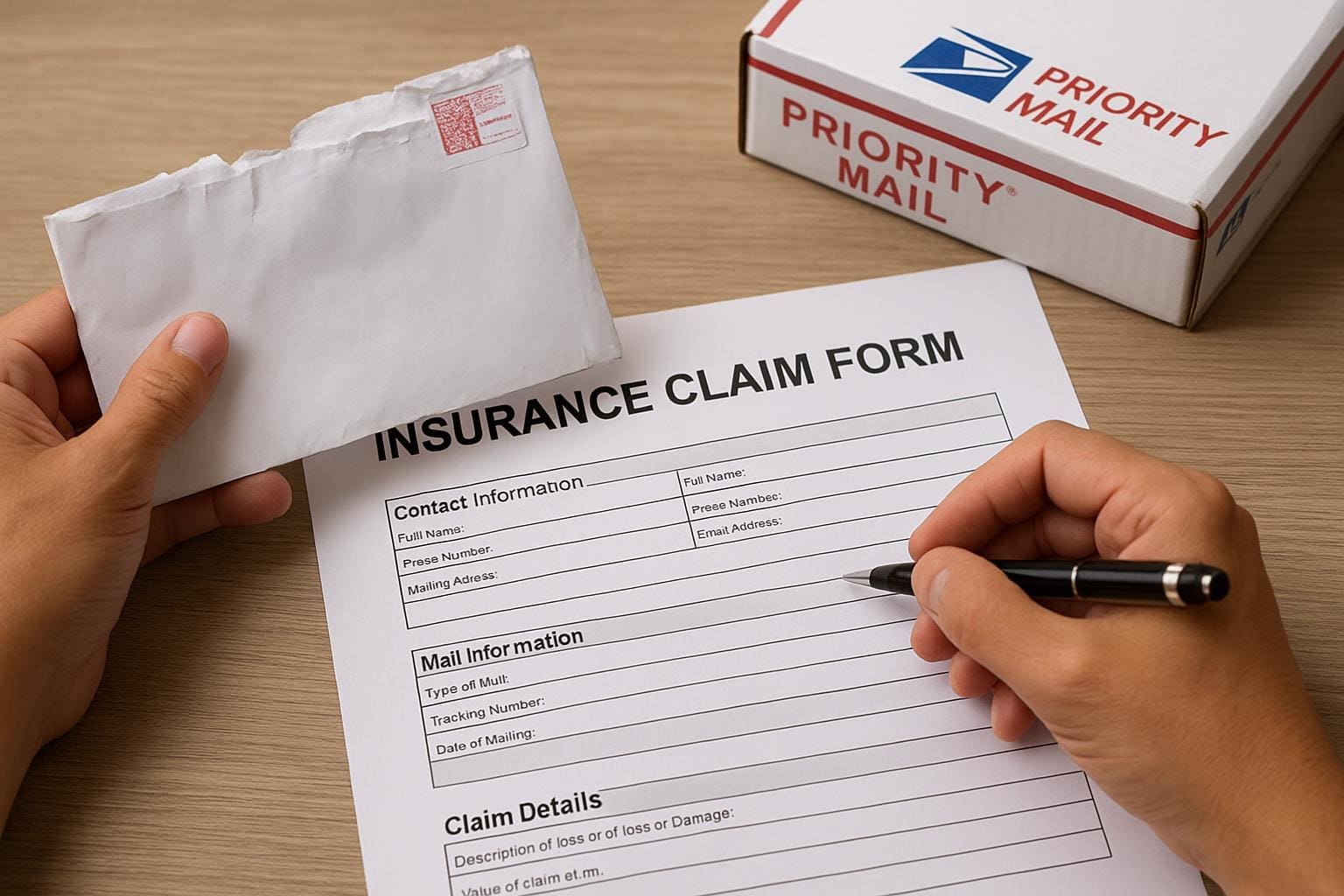
## Filing An Insurance Claim After A Missing Mail Search
A search and a claim are different procedures. A mail search looks for the item. A claim seeks reimbursement.
### When To File A Claim
– If the item is insured and declared lost.
– If the search has been open beyond the carrier’s timeframe.
– If carrier confirmation indicates loss or misdelivery.
Read the carrier’s claim rules. For USPS, you typically need to file a claim for insured mail within specific time windows after the mailing date. The search documentation supports your claim.
### Evidence Needed For A Claim
Claims need proof of value and proof of mailing. That could be an original sales invoice and mailing reciept. Keep the originals and submit clear copies.
## Working With The Sender: Don’t Assume It’s All On You
If you’re the recipient, pull the sender into the process. Retailers and senders often have internal protections and will pursue carriers on your behalf. Sometimes they will simply send a replacement to keep the customer satisfied.
### Scripts For Contacting The Sender
Be precise. Tell them:
– The order number and tracking number.
– The date it was shipped and the expected arrival date.
– That you’ve started a mail search and what steps you’ve already taken.
Ask for a replacement or refund boundary — for example, “I’d like a replacement shipped within 48 hours unless the carrier confirms delivery.”
## When To Escalate Beyond The Carrier
If repeated attempts to locate the package fail, escalate to higher levels. For USPS, contact the Postmaster or file a complaint with the Postal Regulatory Commission. For private carriers, ask for a supervisor and then corporate claim review.
### Using Social Media Carefully
Public posts to a company’s Twitter or Facebook can speed attention. Keep the post factual and include only the order number or tracking number, not personal details. A firm but brief public message often gets a faster reply.
## International Missing Mail: Customs And Longer Timelines
International shipments add complications. Customs holds, international transit, and foreign carriers introduce delays.
### Steps For International Mail Issues
– Track the item through every carrier listed.
– Contact the last known carrier before U.S. customs or the destination country’s postal service.
– Check customs forms and VAT or duty hold notices.
– Ask the sender to confirm the customs declaration accuracy.
International mail searches can take much longer. Patience is necessary, but so is persistent follow-up.
## Identity Theft And Sensitive Documents In Missing Mail
If the missing mail includes checks, tax documents, or identity documents, act fast. Identity-related mail requires immediate steps.
### Immediate Actions For Sensitive Missing Mail
– Contact your bank and credit card companies to flag unusual activity.
– Place a fraud alert or credit freeze if necessary.
– Report to the carrier that the missing mail contains identity documents; they may triage the case.
File a police report when identity documents are lost or stolen. The police report is often required for credit bureaus and carriers.
## Practical Tips To Prevent Missing Mail In The Future
Few things prevent all problems, but these reduce risk dramatically:
– Require signature on delivery for high-value items.
– Use tracked and insured shipping when sending valuable goods.
– If you’re a frequent recipient, add delivery instructions or an access letter at your post office.
– If you’re not home often, have items held for pickup rather than delivered.
– For business sends, use address verification and double-check apartment/unit numbers.
These steps add a bit of friction up front and save a lot of headache later.
### Package Photos On Delivery
If you accept packages from a carrier frequently, take a photo of each label and the delivered package. It’s a fast habit that helps with disputes.
## How To Keep The Process Moving Without Burning Time
Log every call, every form submission, and the name of the person you spoke with. This log is your leverage.
### Use Short, Useful Records
– Date/time of contact.
– Channel used (phone, online).
– Name and title of the person you spoke with.
– Short note on what they promised and when.
If something goes wrong later, you’ll be able to point to exact commitments and timelines.
## Sample Verbiage For A Phone Call To Start A Mail Search
Say this calmly and directly: “Hi, my name is [Name]. Tracking number [number]. The item was expected on [date] and is now overdue. I’ve submitted an online search but would like this escalated because it contains [brief content description]. Can you open a local search and confirm the expected next step and timeframe?” Keep it short. Ask for a case or reference number to close the loop.
## What Not To Do
– Don’t let emotions drive calls or messages. Angry shouting rarely speeds resolution.
– Don’t give sensitive personal information over public or insecure channels.
– Don’t accept a refund or replacement without getting the carrier’s written closure if you plan to pursue a claim.
These mistakes slow things down and can harm your ability to get paid if you ultimately need to file a claim.
## Follow-Up Scheduling And When To Push Harder
If you haven’t heard back after the carrier’s stated window, follow up immediately. Use your log to reference the prior contact. Ask for a supervisor when necessary.
### When To Call The Sender To Escalate
If you’re hitting dead ends with the carrier, loop the sender back in. A retail account manager can sometimes get a different queue for investigations. They may also offer immediate re-shipment.
## How Long To Wait Before A Claim Or Refund
Different carriers have rules but commonly:
– For USPS domestic parcels, allow 7–15 business days before concluding lost.
– For international, wait longer — often 30 days or more.
– For FedEx/UPS, the window may be shorter for certain expedited services.
Do not wait too long to file a claim if you have insured shipment. Missing the claim window is a common reason people don’t get paid.
## Keeping Records For Future Disputes
Store copies of everything in a dedicated folder or cloud drive. The next time something goes missing, you’ll be faster and better organized.
### What To Keep Indefinitely
– Original purchase invoices.
– Shipping receipts and tracking confirmations.
– Photos and email correspondence with the carrier and sender.
– Police reports if applicable.
These documents make it far easier to reopen a case months later if needed.
## When Legal Action Is The Only Option
Legal action is a last resort. For high-value loss where the carrier or sender won’t cooperate, talk to an attorney familiar with shipping law and small-claims procedures. Often a demand letter from a lawyer gets faster action than prolonged negotiations.
## Making The Process Less Stressful
Treat it like a project. Break it into steps, assign deadlines, and keep records. You’ll feel more in control and get better outcomes.
If you want, I can draft a short email template you can send to sellers or carriers when you first open a mail search.