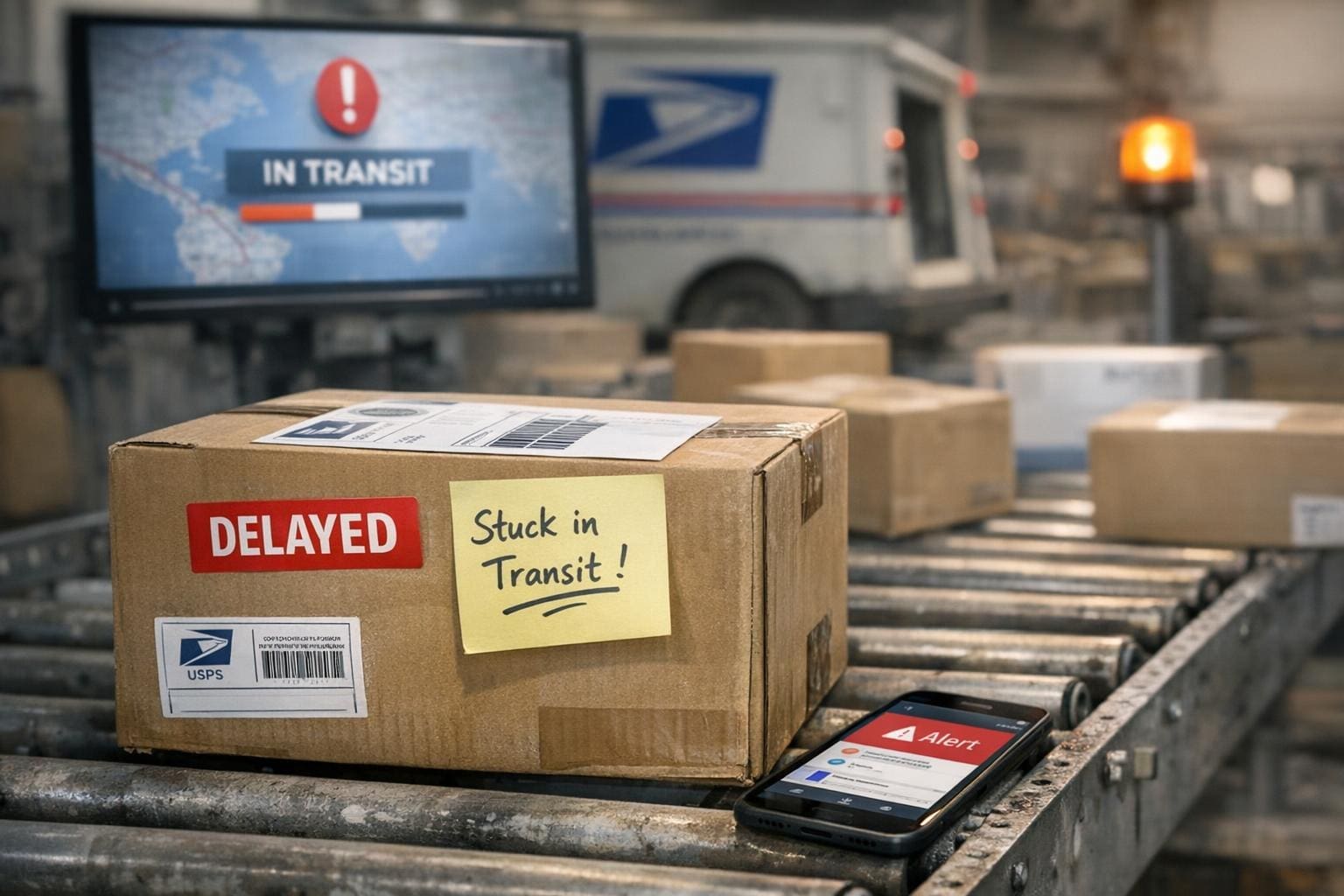
The nation is buzzing—and not in a good way. Reports are flooding social channels: people opening apps to find their lifeline orders frozen mid-route. Panic spreads as vital items, gifts and business shipments sit in limbo, seemingly swallowed by a postal black hole. If you’ve ever screamed into your coffee because your tracking reads the dreaded status, you’re not alone.
## Urgent: USPS Package Stuck In Transit — What The Alerts Really Mean
When your tracking page screams “usps package stuck in transit,” it can trigger a cascade of anxiety: Did it get lost? Stolen? Sent to the wrong coast? The reality is more prosaic but no less infuriating. This status typically indicates that the package’s scan hasn’t updated for an unusually long time — often due to system backlog, route reassignments, logistical bottlenecks, or human error at a sorting facility. The sensational headlines are tempting, but understanding the causes helps you act fast and smart.
In recent months, an alarming rise in reported package delays has coincided with peak seasons and staffing crunches. For many shippers and recipients, the experience starts with a single freeze-point: a timestamp that refuses to budge. That frozen status is the gateway to worries about missing mail — the scenario everyone fears most.
## 3 Remedies To Fix A USPS Package Stuck In Transit
Below are three formal, actionable remedies to recover a stalled shipment. Each remedy includes required materials and a clear step-by-step process you can follow immediately. Use them in order: start with simple online escalations, then local in-person action, and finally formal claims when necessary.
### Remedy 1: Immediate Digital Escalation And Tracking Verification
Materials Required:
– Tracking number and shipment confirmation email
– Access to USPS tracking page and your email
– Phone or computer for calls or live chat
– Screenshots of tracking history
Step-By-Step:
1. Verify the tracking number and confirm the last scan location. Capture screenshots showing the frozen status and timestamps.
2. Log in to your USPS account (or register) and use the “Help” or “Track & Manage” features to enter the tracking number. Look for any available estimated delivery date updates.
3. Open a Help Request via the USPS website: choose “Find Missing Mail” or “Where Is My Package?” and submit your screenshots and details. This creates an official electronic ticket.
4. Use USPS Informed Delivery (if enrolled) to check for any delivery attempts or scan images that might indicate the package’s path home.
5. If the web request yields no response within 48–72 hours, call USPS Customer Service. Provide your tracking number, last scan details, and your ticket number. Record the name of the agent and time of call.
6. If live chat is available, follow up there and attach the same screenshots. The combination of digital records helps move packages out of stalemate and reduces the risk of your shipment transitioning into the missing mail category.
### Remedy 2: Local Post Office Visit And Friendly Escalation
Materials Required:
– Printed tracking history (or mobile screenshots)
– Photo ID and proof of address
– Package’s sender/recipient details
– Any purchase receipts or order confirmations
Step-By-Step:
1. Locate your package’s last scan facility using the tracking history. Identify the nearest post office that services that facility.
2. Visit the post office in person during non-peak hours. Bring printed tracking details, ID and documentation proving you are the intended recipient.
3. Speak directly to the supervisor or postmaster. Present the tracking record and ask them to check their internal systems or physically inspect incoming and outgoing pallets.
4. Request a “locate request” be initiated in-house; this is different from an online ticket and often prompts frontline staff to physically search the facility and transportation logs.
5. If your package still cannot be found, ask the postmaster for a Service Request Number or a written note confirming that the local facility searched and could not locate the item. This documentation will be crucial if you escalate to a claim.
6. Keep a log of staff names, dates, and any reference numbers given. Personal visits frequently resolve issues faster than remote requests and can prevent your parcel from being considered missing mail.
### Remedy 3: Filing An Official Claim And Seller Escalation
Materials Required:
– Proof of value (receipts, invoices)
– Evidence of shipment (tracking number, proof of postage)
– Documentation of your attempts to locate the package (screenshots, service request numbers)
– Photos of packaging (if available) and ID
Step-By-Step:
1. Determine eligibility for a claim. USPS covers certain mail classes and insured items; check their claims policy for time windows (typically 7–14 days after declared lost).
2. Gather all documentation: proof of purchase, tracking records, and records of your interactions (calls, web tickets, local post office notes). The more complete the evidence, the stronger your claim.
3. File a claim online via the USPS Claims portal. Attach all supporting documents and describe the timeline succinctly. If you’re the sender, you must file; recipients should coordinate with senders for an expedited claim process.
4. Follow up on your claim every 72 hours. Save any emails or reference numbers. If the claimant is a business, request a claimant reference that flags the account for priority review.
5. If the seller or shipper used a carrier-integrated label, contact the seller to open a claim with their merchant support as well. Many retailers have faster dispute resolution paths and can issue refunds or replacements sooner than the postal claims process.
6. If a formal investigation yields no location, the claim process typically results in reimbursement based on insured value or USPS guidelines. Maintain a calm, methodical tone with agents — it yields better outcomes than confrontational calls.
## Red Alerts And When To Worry
#### Watch For These Red Flags
– Multiple days with no scans after a final transit scan.
– Conflicting delivery statuses (e.g., “Delivered” in one system, “In Transit” in another).
– Scans that indicate the package entered a distant processing center and never left.
If these signs appear, escalate from Remedy 1 to Remedies 2 and 3 in sequence. Sensational speculation online is tempting, but methodical documentation and escalation are the fastest path to resolution.
## How To Prevent Future Package Delays And Missing Mail Nightmares
Preventive measures are your frontline defense against future package delays and missing mail incidents. Sensational stories dominate feeds, but much can be controlled before shipping even begins.
### Practical Seller And Buyer Steps
– Choose tracked and insured shipping options for valuable items.
– Require signature confirmation for high-value deliveries.
– Use verified addresses and include clear recipient contact details.
– For time-sensitive shipments, consider expedited services or alternative carriers with guaranteed delivery windows.
### What To Do If You Spot Patterns Of Package Delays
If you notice repeated late scans or your community is experiencing an uptick in lost items, file a formal complaint with USPS Consumer Affairs and notify your local postmaster. Collective reporting increases the urgency and can lead to route audits that improve service for everyone.
## Legal And Consumer Protections You Should Know
#### Your Rights And Timelines
USPS has published timelines and procedures for missing mail, claims and refunds. Familiarize yourself with the window for filing claims (varies by service), evidence requirements and insurance coverage options. When sellers use USPS for shipment, their terms of service may also include seller-backed guarantees — pursue those if postal claims are slow.
Dealing with “usps package stuck in transit” is never pleasant, but armed with documentation, a stepwise escalation plan and calm persistence, most packages are recovered or compensated. Remember: sensational alerts grab attention, but strong documentation and formal remedies get results.