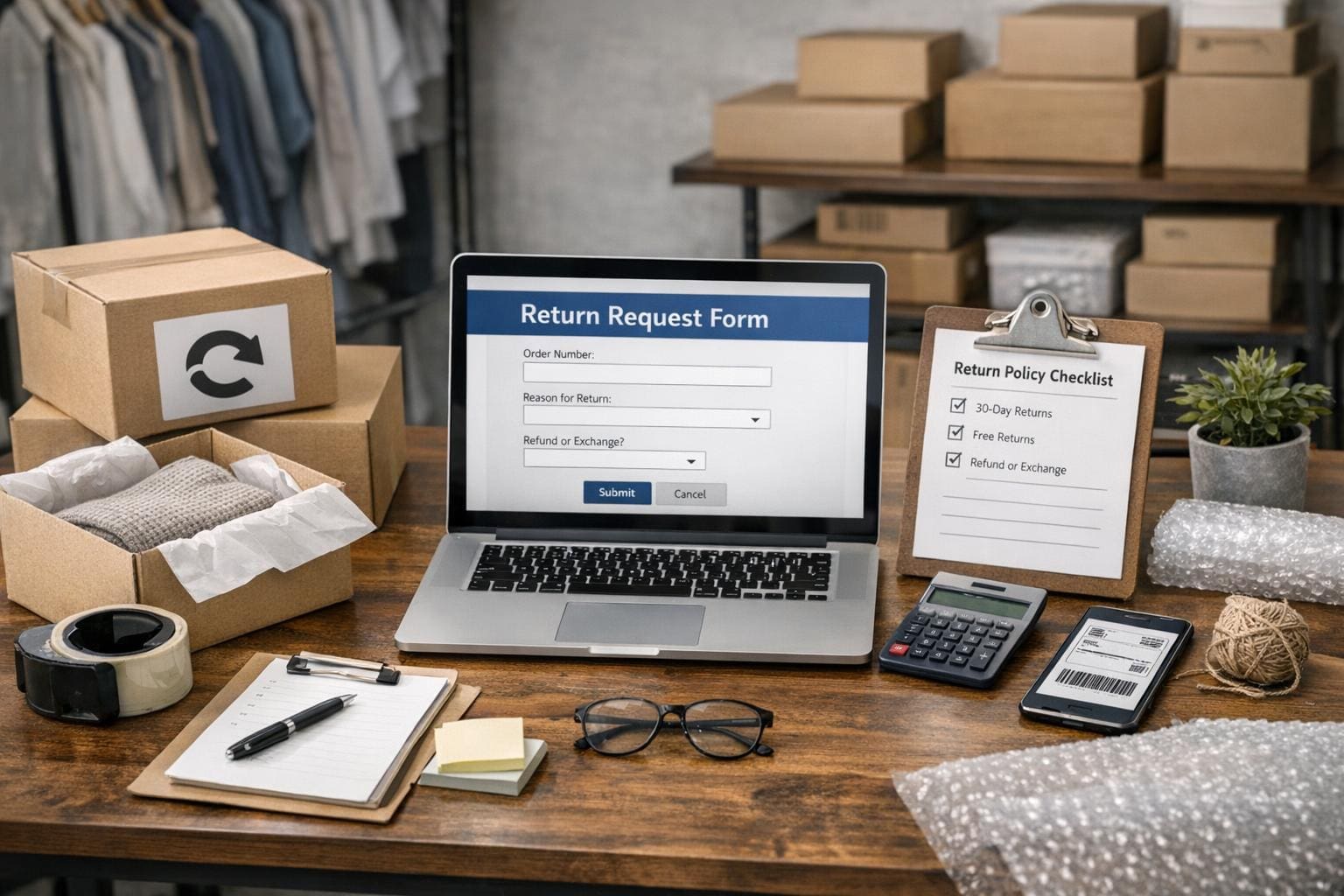
Small Business Shipping Supplies Checklist For Packaging

small business shipping supplies checklist

## Small Business Shipping Supplies Checklist: What To Stock

If you run a shop that ships anything, a sloppy back room will cost you customers and money. This small business shipping supplies checklist is a practical road map — not an exhaustive whitepaper. It focuses on things you actually use every day, with examples you can act on this week.

### Why The Right Supplies Matter

Wrong box size, the tape that fails, or a smudge on an address label — each is a tiny problem that adds up. Right supplies protect your product, cut handling time, and reduce returns. They also change how your brand is perceived on arrival. That matters.

### Core Items Every Small Shop Needs

Below are the essentials. I’ll call out sizes and types that make a difference, not vague categories.

#### Boxes And Mailers

Have a small range of box sizes: small (6x6x2 to 9x6x4), medium (10x8x4 to 12x9x6), and large (16x12x8 and up). Use corrugate with the appropriate ECT rating for heavier goods — 32ECT handles most consumer packages. For soft items, consider padded mailers (poly bubble) in sizes 6×9, 8.5×11, and 10×13. Keep a few flat-rate options for USPS when dimensional weight cheats are a factor.

#### Tape And Dispensers

Get two kinds of tape: a pressure-sensitive polypropylene tape for general use and a water-activated tape for heavy or awkward loads. A handheld tape dispenser speeds packing. For bigger volumes, a table-mounted dispenser is worth the few hundred dollars.

#### Cushioning Materials

Have at least two types: void fill (paper or air pillows) and shock-absorbing wrap (bubble or foam). Paper is cheap and recyclable; air pillows save storage space but be cautious if you lack a dispenser. Keep corner protectors for fragile frames and stacked items.

#### Labels And Printing Supplies

A thermal label printer (4×6 labels) pays for itself quickly. Thermal labels resist smudges and peel easily. Use matte white labels for addresses and glossy for branding stickers. Also stock extra self-adhesive return labels and a few sheet protectors for packing slips to avoid moisture damage.

#### Weighing And Measuring Tools

A digital scale that reads to the ounce is non-negotiable. Keep a tape measure and a box-sizing template — you can avoid dimensional weight surprises by measuring length, width, and height before you ship.

#### Sealing And Security

Tamper-evident tape or security stickers are cheap insurance. For higher-value items, consider destructible tape. Also stock straps or bands for pallets and a heat sealer if you ship loose items in poly bags frequently.

### Extras That Save Money And Time

These aren’t essential at day one but pay back quickly once you’re hitting steady order volume.

– A small thermal label printer and spare cores so you don’t stop when one fails.
– Reusable packing kits: pre-made bundles of box, tape, and filler for your bestselling SKUs.
– Packing list envelopes and pre-printed return labels to speed returns.

Those three changes alone can shave minutes off every package. Minutes add up.

### How To Use This Packaging Checklist Day-To-Day

Turn this small business shipping supplies checklist into routine. Start by creating three things: a minimum stock level for each item, a reorder point, and a preferred supplier for backup. Keep a simple spreadsheet with quantities and order lead times. When inventory dips to the reorder point, place an order. Don’t wait until you’re out. That’s how rush shipping costs sneak in.

Train one person to be the shipping owner. They should do a weekly count and replace consumables. Make obvious storage labels on shelves so anyone can find a 6×9 padded mailer or a roll of 2-inch tape without asking.

### Sourcing And Cost Tips

Buy boxes and tape in bulk from a national distributor if you have steady volume. For variable needs, use local packaging stores or online marketplaces. Compare price-per-unit, not just the case price. Sometimes smaller case sizes cost more per box. Ask about sample packs. Testing actual boxes with your product prevents costly returns.

Don’t auto-buy the cheapest option. A few cents saved on a flimsy box can cost you many dollars in returns and reputational damage. Track damage claims for three months after switching supplies to evaluate.

### Sustainability And Branding Considerations

Customers care about packaging. Use recycled boxes where it makes sense, but make sure they’re sturdy. Include a simple branded sticker and a compostable packing slip sleeve if you want an eco-friendly touch. For fragile items, add a small card explaining how to recycle the materials — useful and low cost.

If the box becomes part of your product experience, standardize it. Custom printed boxes look nice but require larger minimums. An alternative: plain boxes + consistent stickers and tissue paper.

### Common Mistakes To Avoid

Packing the product upside-down in a box to make it “fit.” Underfilling boxes and hoping for the best. Using the cheapest tape you can find. These choices create returns and hurt your margins. Instead, follow the packaging checklist: right-size the box, fill voids, seal properly, and label clearly.

Measure and weigh every new SKU the first ten times you pack it. That gives you real-world data on the best box and cushioning to use long-term.

### Quick Packing Workflow Example

This is a practical packing flow for a one-person operation: pick, inspect, wrap, box, cushion, seal, label, weigh, and finally scan. Keep like-items grouped so you can assemble three or four identical orders at once. That reduces context switching and errors.

Use a simple packing station layout: tape dispenser on the right, scale in the center, label printer on the left. Put commonly used sizes of boxes within arm’s reach. Small layout choices like this speed up packing and lower damage rates.

### When To Scale Your Supplies

If daily orders regularly exceed 30–50 packages, rethink your supplies. Invest in a larger printer, faster scales, and bulk-buy agreements. You’ll reduce per-unit costs and speed throughput. Also consider adding an extra packing line or cross-training staff so packing doesn’t bottleneck fulfillment.

If returns are creeping up, audit the checklist items related to cushioning and box strength. Often the fix is selecting a slightly heavier corrugate or adding one more layer of protection.

Keep “recieve” and review cycles short. If something breaks — tape, label stock, printer ribbon — replace it fast. Small delays compound.

#### Small Notes On Compliance And Labels

Don’t cover barcodes with tape that creates glare. Use matte label stock. Include customs forms for international packages and double-check prohibited items. A mistake here can mean lost shipments or fines. Use the thermal printer to print clear, high-contrast labels to reduce scan errors at carriers.

Keep the small business shipping supplies checklist visible at the packing station. A laminated sheet with box sizes, tape types, and cushioning choices works better than a buried doc.

#### Practical Example: Shipping a Glass Candle

Wrap the candle in kraft paper, bubble-wrap the body twice, place in a snug inner box, use crushed paper as void fill, then choose a protective outer box one size up. Seal with water-activated tape if it’s heavy. Add a tamper sticker. Print a 4×6 label and include a packing slip in a plastic sleeve. Weigh and note the dimensional size. This sequence prevents the majority of breakage claims and illustrates the checklist in action.

Eco Friendly Packaging For Ecommerce Drives Waste Reduction

eco-friendly packaging for ecommerce

Make packaging a part of the solution. Too many ecommerce shipments arrive as a bundle of wasted materials: oversized boxes, plastic fill, layers of tape, inner liners you toss the minute you open the package. Changing that pattern is straightforward once a seller decides packaging is part of the product experience, not an afterthought.

## Why Eco-Friendly Packaging For Ecommerce Matters
Switching to eco-friendly packaging for ecommerce isn’t just feel-good marketing. It removes volume from the waste stream, cuts handling time for returns, and often lowers costs if done thoughtfully. Consider the basic math: reduce average box volume by 20 percent and you ship fewer cubic feet overall. Less freight, fewer trucks, fewer emissions. Less packaging also means less packaging waste ecommerce systems have to process — and that saves municipalities and consumers money too.

Environmental impact is only one piece. Shoppers notice packing that’s bulky, messy, or impossible to reuse. Clean, compact, and recyclable ecommerce packaging reduces frustration and the number of times a package ends up in landfill. It also creates practical benefits inside the company: smaller storage footprints, simplified packing stations, and fewer SKUs of packing materials to manage.

### Materials That Actually Reduce Waste
Not all “green” materials perform the same in practice. The right choice depends on product fragility, supply chain realities, and local recycling infrastructure.

#### Paper And Molded Pulp
Paper-based solutions are the simplest win. Corrugated right-sized boxes, kraft mailers, and molded pulp cushions are widely recyclable and compostable in many systems. Molded pulp protects odd shapes well and compresses flat in storage. For apparel and soft goods, paper mailers replace poly. For fragile goods, molded pulp sleeves or inserts eliminate the need for plastic bubble wrap.

#### Mono-Material Films
Mono-material films—plastic films made from a single polymer—simplify recycling. Mixed-material laminates are a nightmare for recycling facilities because they’re difficult to separate. If you must use film, choose mono-material options that recycling centers accept. They perform similarly to conventional films but give a real end-of-life pathway.

#### Bioplastics And Their Limits
Compostables and bioplastics sound ideal but they have caveats. They require industrial composting facilities to break down cleanly, and many municipalities don’t accept them. Labeling must be precise to avoid contamination of recyclable streams. Use these selectively, and always communicate disposal instructions to customers.

### Design Choices That Cut Volume
Design is the lever that trumps material alone. Two obvious changes pay off quickly: right-sizing and eliminating unnecessary fill.

Right-sizing boxes eliminates air space. That reduces void fill and reduces shipping dimensional weight charges. Invest in a few nesting box sizes rather than dozens. Automated box-sizing systems will do this at scale, but even manual packing guides and simple rules of thumb can cut average box volume fast.

Replace loose fill with protective geometry. Think corrugated inserts or paper honeycomb that lock products into position. These protect with less material than layers of bubble wrap and foam. For soft goods, consider fold-and-roll packing that uses compression instead of extra packaging to hold shape.

Rethink closures and labels. Self-sealing mailers with a tear strip remove the need for excess tape. Print labels directly on boxes when possible to reduce sticker waste. Use minimal marketing inserts—one well-designed card beats five pamphlets and a receipt printout.

## Cost Tradeoffs And Logistics
There’s a practical balancing act between sustainability and cost. Upfront material costs for recycled or compostable options sometimes run higher. But those costs often shrink with volume and process improvements.

Smaller boxes save freight and storage. They can offset increased per-unit material costs. Reduced handling of returns lowers labor costs. Fewer inbound materials simplify ordering and vendor management.

### Reusable Systems For High-Frequency Orders
For categories with frequent repeat shipments—like subscription food boxes or refillable household items—reusables can make sense. Mail-back envelopes, durable totes, or returnable bins shift the waste burden away from single-use. The logistics are different: you need tracking, hygienic cleaning or inspection, and incentives for customers to return items. But the per-cycle impact on packaging waste ecommerce can be dramatic.

Retailers have to plan for loss rates. Some companies build a small replacement fee into the model or offer a loyalty credit. Others make the first cycle deposit-free and rely on high return rates to recoup costs. Either way, reusables reduce raw material demand over time.

### Supplier Relationships Matter
You can’t redesign packaging in a vacuum. Work with material suppliers and contract packers early. Ask for data: recycled content percentages, end-of-life pathways, certifications, and sample performance tests under real shipping conditions. Push for packaging that ships flat to save storage space in warehouses. Encourage suppliers to provide returnable pallet systems for bulk shipments where feasible.

## Measuring Impact: What To Track
You can’t manage what you don’t measure. Track a few specific metrics and use them to guide investment decisions.

– Package Volume Per Order: Measures right-sizing effectiveness. Lower cubic feet per order usually means fewer resources used.
– Waste Sent To Landfill: Quantify actual disposal outcomes when possible, not just theoretical recyclability.
– Percentage Recyclable Or Compostable: The share of packaging that has an accepted disposal stream locally.
– Return Rate For Reusables: For reusable programs, measure how many containers come back and how often.

When you measure packaging waste ecommerce outcomes, don’t ignore customer-facing metrics. Track customer complaints about damaged goods or packaging frustration. Those correlate with returns and replacements, which add both cost and material use.

### Case Studies: Small Shifts With Big Results
A mid-sized apparel brand switched the bulk of its shipments from mixed-material polybags to a single-layer kraft mailer. They also standardized on three nesting box sizes for orders needing boxes. The immediate result: a 25 percent drop in average parcel volume and a measurable reduction in tape and fill material orders. Their shipping costs dropped, and customers reported higher satisfaction with easier-to-open packages.

A niche electronics seller swapped foam blocks for custom corrugated inserts. Initial costs rose slightly for die-cut tooling, but damage claims fell, which lowered return handling labor and replacement shipments. Over a year, their total packaging waste ecommerce footprint was clearly reduced because fewer products were shipped twice.

## Communication And Labeling
Changing materials only works if customers and local waste systems understand what to do with packaging. Confusing labels cause contamination: recyclable paper in a compost bin or compostable packaging tossed into plastic recycling. Use clear, specific disposal instructions on the package, such as “Recycle In Paper Stream” or “Industrial Compost Only.”

Also, be honest about tradeoffs. If a mailer uses 40 percent recycled content and is recyclable, say so. If a compostable liner needs a commercial facility, tell customers where those facilities exist or offer a mail-back option. Transparency builds trust and reduces improper disposal.

### Packaging Design For Returns And Unboxing
Design with returnability in mind. A box that’s easy to reseal encourages reuse. Simple methods like reusable adhesive strips or a fold-back flap make it more likely the customer will reuse the same box for returns. Thoughtful unboxing reduces waste at the point of disposal: single-material constructions tear down cleanly, and minimal internal packaging is easier to recycle.

Include a small postcard with instructions for reuse or local donation options. For clothing, suggest local donation centers for items the customer doesn’t keep. These small touches change behavior and reduce the total amount of discarded packaging and product.

## Regulatory And Market Drivers
Regulations are shifting toward producer responsibility in many places. Extended Producer Responsibility (EPR) schemes make manufacturers pay for end-of-life management. That makes material choices tangible in the P&L rather than abstract sustainability goals. Anticipate these shifts by moving away from materials that are expensive to process at end-of-life.

Market pressure from retailers matters too. Large marketplaces increasingly set packaging requirements. Smaller sellers will feel that pressure indirectly through carrier incentives or retailer mandates. Adopt processes now to avoid scrambling later.

### Technology That Helps
Digital tools for packaging optimization are accessible. Software that recommends box sizes based on SKU dimensions, or that predicts damage risk for different packing configurations, pays for itself quickly. Barcode-driven packing lists that suggest the optimal box reduce human error. These small tech investments lower both waste and labor over time.

Make sure the data feeds back. If a sizing recommendation increases damage rates, change it. The goal is less total waste—not just smaller boxes at the cost of more broken items.

One final, practical note: train the people who touch packaging. Packing is a craft. Teach packers how to fold, right-size, and orient products to minimize movement. Show examples of good and bad packs. Build feedback loops so teams can see the impact of small changes in real numbers, not just theory. Recieve that buy-in from packing staff and you’ll get consistent results.

Now take the first step: audit your current materials, pick one category to optimize this quarter, and measure the change.

How To Create A Return Policy For Ecommerce: A Smart Guide

how to create a return policy for ecommerce

The commerce landscape hums with movement: packages soar, carts float between checkout and regret, and your brand’s reputation rides on a delicate return current. A thoughtfully written return policy steers that current into loyalty, not friction. Below you’ll find a creative yet practical guide on sculpting clarity, reducing friction, and protecting margins.

## How To Create A Return Policy For Ecommerce

When merchants ask how to create a return policy for ecommerce, they usually mean two things: how to make customers comfortable enough to buy, and how to make returns predictable enough to run a healthy business. A clear return policy accomplishes both. It reduces buyer hesitation, minimizes costly disputes, and converts a potential negative touchpoint into an opportunity for repeat business.

### Why A Return Policy Is A Brand Tool

A return policy is more than legal fine print. It’s a customer service manifesto. Brands that use it strategically can signal confidence in product quality, show empathy for buyer mistakes, and communicate operational competence. Think of it as a storefront handshake: firm, transparent, and reassuring.

#### The Business Benefits Of Clear Return Rules
– Lower cart abandonment as customers see safety in buying.
– Faster resolution of disputes and fewer chargebacks.
– Valuable product feedback from returned items.
– Improved customer lifetime value when returns are handled empathetically.

### Core Elements To Include In Your Policy

When you design a return policy, cover these core elements explicitly and simply. For an ecommerce setting, ambiguity breeds calls and complaints.

#### Required Details
– Conditions For Eligibility: Unopened vs. opened items, time window (e.g., 30 days), proof of purchase.
– Refund Type: Refund to original payment method, store credit, or exchange.
– Return Costs: Who pays for shipping, restocking fees, and international return rules.
– Process Steps: How customers initiate returns (portal, email, chat), timeframe for processing refunds.
– Exceptions: Final sale, perishable goods, custom items.
– Contact Points: Email, phone, and hours for support.

### Step-By-Step Framework: How To Create A Return Policy For Ecommerce That Works

To move from principles to a working policy, follow this precise framework. The tone and clarity matter as much as the legal content.

#### 1. Audit Current Operations
List your shipping partners, average delivery times, average return rates by SKU, and common defects. Measure how long refunds currently take and where delays occur.

#### 2. Define Your Business Objectives
Decide whether you aim to reduce returns, improve conversion, or enhance brand loyalty. Your objective influences leniency. A premium brand may restrict returns to preserve margin; a new brand may accept broader returns to build trust.

#### 3. Choose Time Windows And Conditions
Standard windows are 14, 30, or 90 days. Be specific: “Items must be returned within 30 days of delivery in their original packaging, unused, with tags attached.” Ambiguity is the enemy.

#### 4. Determine Refund Mechanisms
Specify whether refunds are issued to the original payment method and how long bank reversals take. State whether shipping costs are refundable and note any restocking fees with percentages and justifications.

#### 5. Create A Return Flow
Map the customer journey: Request → Approval → Shipping Label → Inspection → Refund/Exchange. Assign SLAs for each step. This formal structure makes your processes auditable and trainable.

#### 6. Draft Clear, Plain-Language Copy
Translate legalese into friendly but precise language. Use short sentences and examples. Provide a checklist for customers to follow before sending a product back.

#### 7. Publish Prominently
Display the policy on product pages, checkout, and the FAQ. Consider a condensed “key points” box for quick scanning and a full policy link for detail.

#### 8. Monitor And Iterate
Collect return reasons and use them to improve product descriptions, photography, or sizing charts. Revisit your policy quarterly to align with customer behavior and seasonality.

### Customer Communication Best Practices

When customers interact with your policy, tone can defuse frustration. Use empathy in copy and communication flows. For example, when approving a return, send a message that thanks the customer and explains the next steps clearly.

#### Messaging That Works
– Acknowledge feelings: “We’re sorry this didn’t work out.”
– Explain steps: “Here’s how to return your item in three easy steps.”
– Set expectations: “We’ll process your refund within five business days after receiving the item.”

### Legal And Compliance Considerations

Understanding how to create a return policy for ecommerce also requires compliance with consumer protection laws and payment network rules. This section is formal and prescriptive.

#### Consumer Rights And Regulations
Laws vary by jurisdiction. Many regions mandate certain refund rights for defective goods. Ensure your policy does not contravene local “cooling-off” periods, distance selling rules, or specific product category protections (e.g., electronics, health products).

#### Tax And Accounting Implications
Document returned sales for accurate revenue recognition and tax reporting. Establish procedures for issuing credit memos and reversing sales entries.

#### Payment Processor Rules
Payment processors and marketplaces (e.g., credit card networks, Amazon, Shopify) have return and dispute resolution requirements. Align refund timelines with their chargeback dispute windows to protect against financial liability.

### Handling Complex Scenarios

Not all returns are straightforward. Below are formal remedies for common complications.

#### Damaged On Arrival
Require photos and timestamps. Authorize a prepaid return label or offer an immediate replacement when inventory permits. Document the incident and flag the fulfillment center for inspection.

#### Fraud Or Abuse
Define parameters for suspected abuse (excessive returns, returns without proof of purchase). Implement thresholds and an escalation process including holds, investigations, and potential account restrictions.

#### International Returns
Specify customs implications, who bears duties, and whether you accept returns from certain countries. Consider offering localized return addresses or partial refunds to avoid prohibitive shipping costs.

### Practical Templates And Phrases

Use concrete, tested language blocks to reduce confusion. Here are three brief templates you can adapt.

#### Basic Refund Clause
Items are eligible for a full refund if returned within 30 days of delivery, unused, and in original packaging. Refunds will be issued to the original payment method within 7 business days of receiving the return.

#### Exchange Option Clause
If you prefer a replacement, indicate the desired size/color at the time of return. Exchanges are processed within 5 business days of receipt and shipped with priority to minimize your wait.

#### Final Sale Exception
Certain items, such as perishable goods, personalized items, and clearance merchandise, are final sale and not eligible for return.

### Measuring Success: KPIs For Your Return Policy

Track quantitative and qualitative metrics to gauge whether your policy is working.

– Return Rate By SKU
– Average Time To Refund
– Customer Effort Score For Returns
– Repeat Purchase Rate After A Return
– Cost Per Return (shipping, restocking, labor)

Regular analysis helps you decide whether more lenient terms are improving lifetime value or simply increasing operational costs.

### Frequently Asked Practical Questions

Q: Will a liberal policy increase abuse?
A: Some increase in opportunistic returns may occur, but many studies show a well-communicated, generous return policy increases conversion and net revenue.

Q: Should shipping be free for returns?
A: If your product margins allow, free returns remove a major friction point. Otherwise, consider free returns only for exchanges or purchases above a certain value.

Q: How do I display the policy?
A: Use a short banner on product pages and add the full policy at checkout and in the footer. Make the returns portal easy to locate and mobile-friendly.

As you build and refine policies, remember that the mechanics of how to create a return policy for ecommerce are both art and system engineering. A clear policy reduces customer anxiety, streamlines operations, and turns returns into repeat business opportunities. Consider the policy a living document — one that should be revised as product mixes, shipping partners, and customer expectations evolve — and test small changes to find the optimal balance between customer satisfaction and cost control.

Finally, use the insights from returns to inform product design, photography, and descriptions. When returns are treated as data, you not only solve immediate problems but build a smarter operation that anticipates and reduces future returns. How to create a return policy for ecommerce is not a one-time task; it’s an iterative discipline that pays off in loyalty, clarity, and healthier margins.