Step By Step Guide To Filling Out USPS Customs Forms?

step-by-step guide to filling out usps customs forms

## Step-By-Step Guide To Filling Out USPS Customs Forms For International Shipments

If you’ve shipped abroad even once, you know the paperwork can feel like the worst part. This step-by-step guide to filling out usps customs forms strips the guesswork away and walks you through what to write, where to sign, and what to avoid so your package doesn’t get stuck at customs.

### Which Form Do You Need And Why It Matters

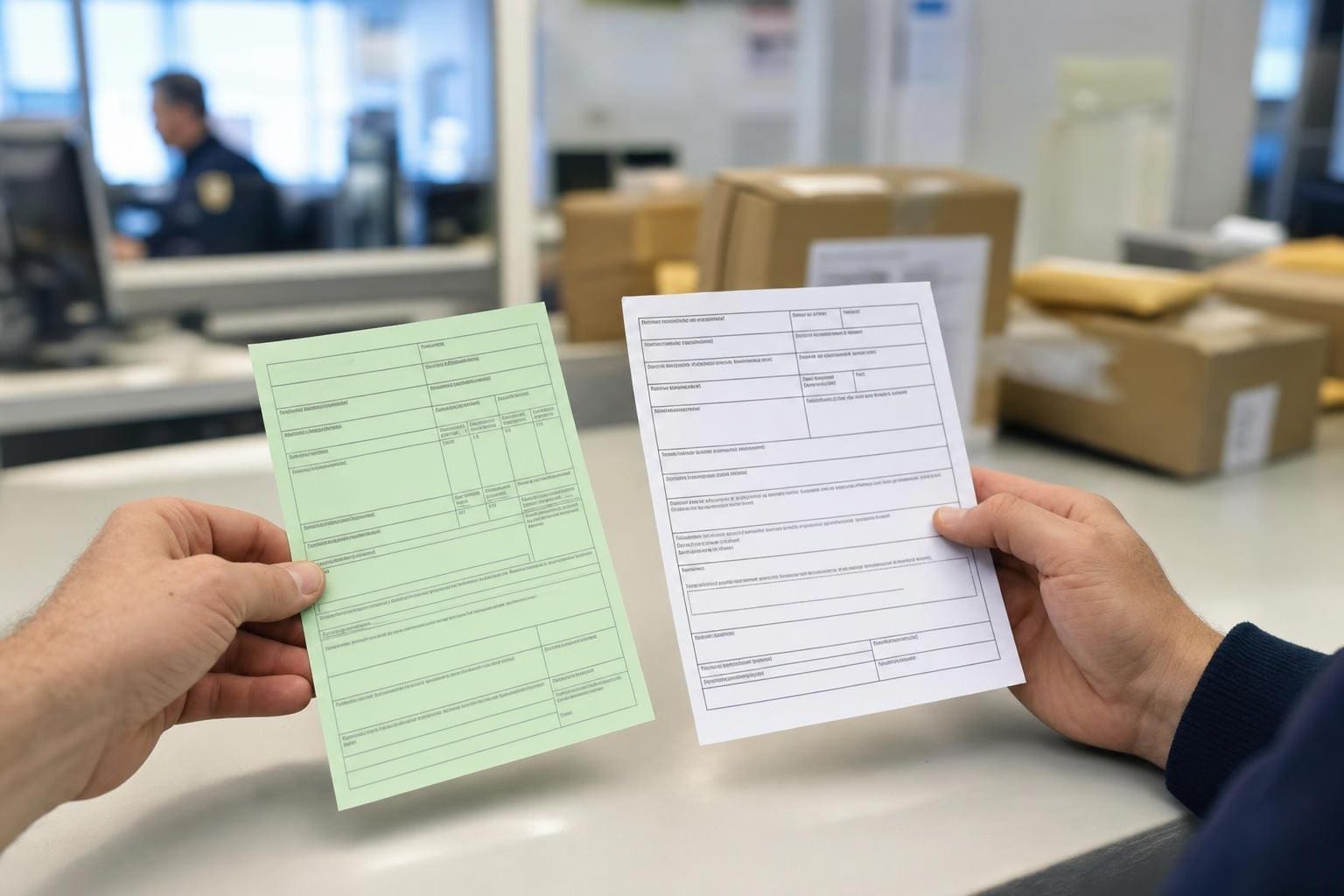
There are a few different usps customs forms, and using the wrong one is the quickest way to create a delay. For small parcels and envelopes that weigh less than 4 pounds and are being mailed to most countries, you’ll typically use CN 22 (often printed with labels or as PS Form 2976). For heavier or higher-value packages, CN 23 (PS Form 2976-A) is required. CN 23 has more fields for detailed descriptions and value breakdowns.

Pick the right form before you start. If you try to squeeze detailed information onto a CN 22 when the destination requires CN 23, customs will likely hold the item for clarification. That’s a waste of time and money.

### The Exact Phrase To Remember (And Use Often)

This article is a step-by-step guide to filling out usps customs forms, not a theory class. Expect hands-on tips, sample entries, and the common mistakes people make when they rush.

### Gather What You Need First

Before filling anything out, put these items on the table:

– The package and its contents
– Sales receipts or invoices for declared value
– Full sender and recipient addresses (including postal code)
– Harmonized System (HS) codes, if you can find them for your items
– A printer, if you’ll use online forms
– Pen and ruler, if filling out paper forms

If you’re mailing a gift, write “GIFT” in the description field. If it’s merchandise, mark “SOLD” and include the total value. Don’t guess the value. Customs officers can and will ask for proof. I once saw a seller declare a watch as “accessory” with no value — the package was held for weeks.

### How To Complete The Sender And Recipient Sections

These are straightforward, but sloppy handwriting or missing details causes returns. Use block letters if you’re writing by hand.

– Sender: Full name, street address, city, state, ZIP, and country. Include a phone number and email if possible.
– Recipient: Full name exactly as used at the destination. Some countries require ID matching the name on the package. Add phone number and accurate postal code.

Double-check country names. Use the official country spelling — not abbreviations. If the recipient’s address has an apartment or suite number, don’t skip it.

### Describe The Contents Clearly

This is the place where people get creative and vague. “Clothing” is okay. “Electronics” is not detailed enough. Customs wants a clear idea of what’s inside without opening the box.

– Use short, specific phrases: “Men’s cotton T-shirt,” “Stainless-steel kitchen knife,” “Lithium-ion battery (contained in equipment).”
– For multipacks, list each item and quantity. “3 × ceramic mugs.”
– Avoid vague terms like “samples,” “parts,” or “accessories” unless you immediately clarify.

This step is central to a step-by-step guide to filling out usps customs forms because a clear description speeds customs clearance.

### Declared Value And Why It Matters

Declared value is what customs uses to assess duties and taxes. You’re required to use a truthful value — not a lower number to dodge fees. For commercial items put the sale price. For gifts, estimate fair market value.

State currency clearly. If the form asks for USD, convert other currencies. If you send an item worth $1,200 and write $200, expect trouble. Customs will ask for receipts, order confirmations, or invoices.

### HS Tariff Codes: Do You Need Them?

HS codes identify the type of goods for duty calculation. Not every sender can find the right code, and many small senders skip it. If you can supply the HS code, include it — it helps customs, especially for bulk or regulated items. For common items like clothing or books, an HS code saves time.

If you don’t have one, the postal agent or an online lookup can help. It’s not mandatory on every usps customs form, but it’s a good habit for regular shippers.

### Declaring Restricted Or Prohibited Items

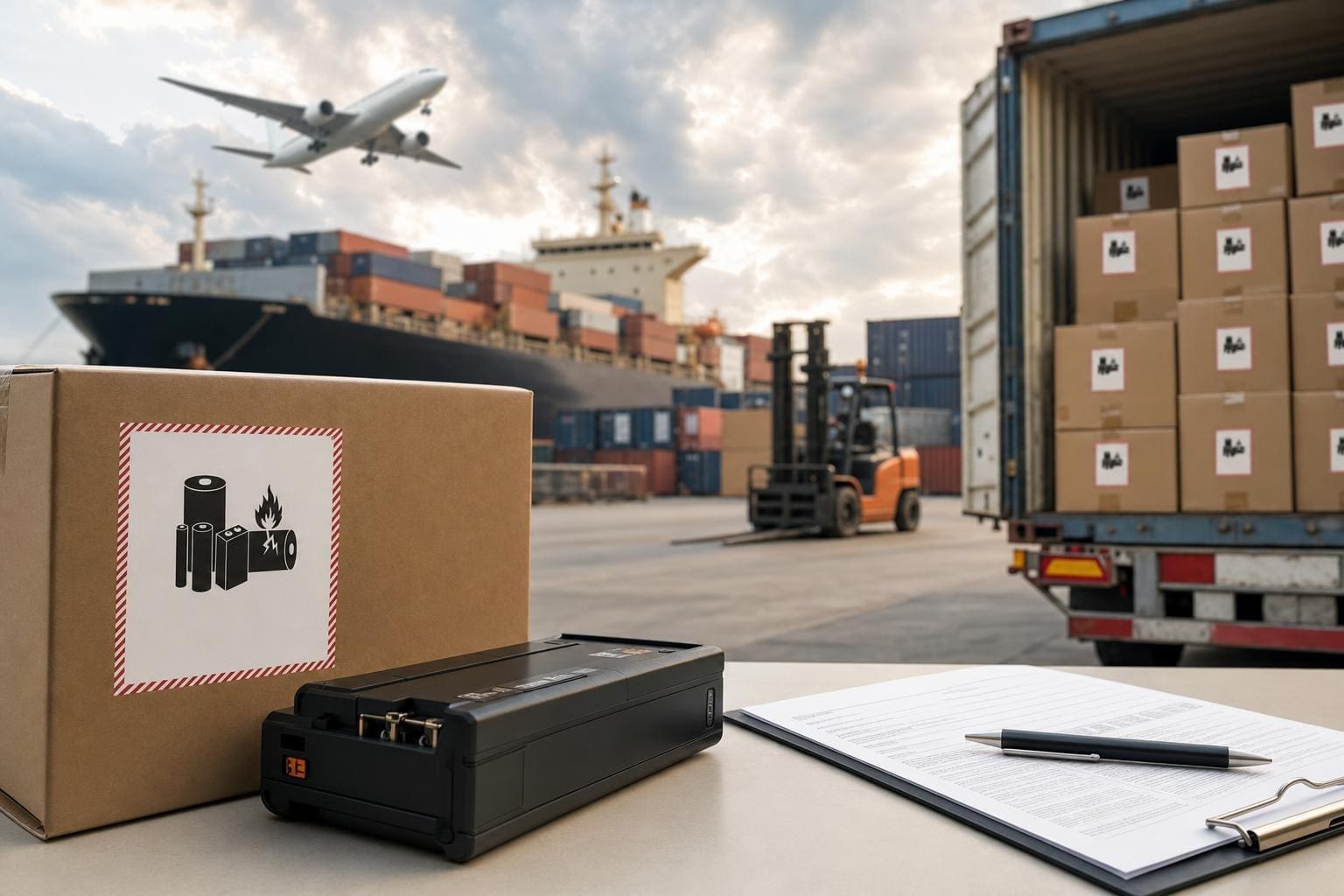
Don’t try to be clever. Certain items need permits or are outright prohibited. These include, but aren’t limited to: weapons, hazardous materials, some foodstuffs, plants, and certain batteries. Lithium batteries are a major headache — they need special handling and declarations.

If you misdeclare a restricted item, the package may be returned or destroyed. Save yourself the trouble and check the destination country’s import rules first.

### Weight And Quantity — Be Accurate

Customs officers use weight to verify contents. If you understate weight by a lot, they’ll flag it. Weigh the package on a reliable scale and enter gross weight (including packaging). Write quantity next to each described item.

### Signature And Certification

Near the end of the form you’ll find a declaration that the information is true and that you’re signing under penalty of perjury in some cases. Sign and date it. Without a signature the form is invalid and the package can be held.

If you’re using an online label, the signature will be electronic. Keep a copy of the supporting documents you used to prepare the form — receipts, invoices, or photos.

### How To Attach The Form To The Package

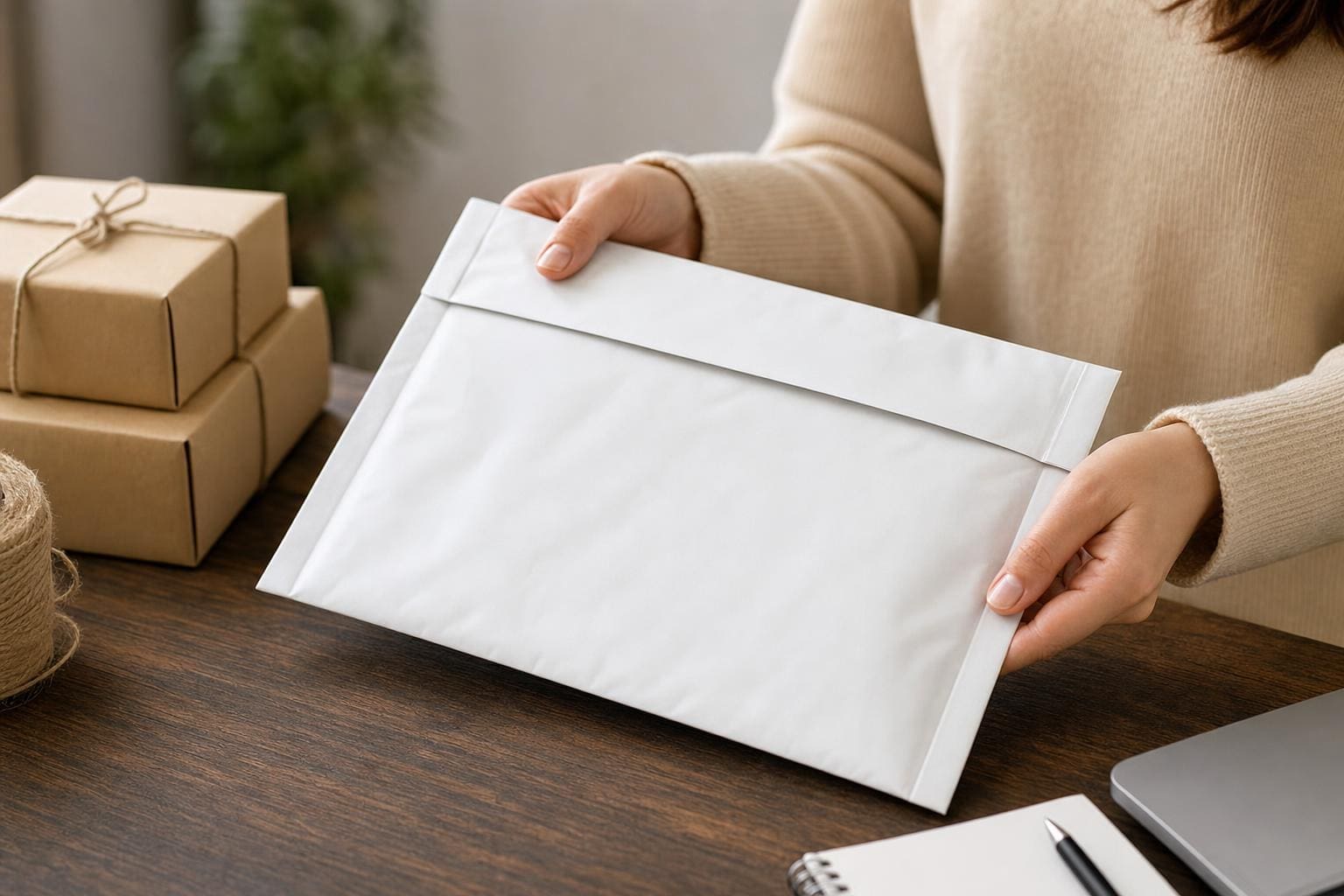
For CN 22, there is usually a space on the printed postage label or a small sticker to attach. CN 23 often comes in a clear plastic pouch (CP 72) that sticks to the outside of the package. If you print a customs form online, attach firmly in the pouch or tape around the edges to prevent water damage. Don’t tape over barcodes or important fields.

Include copies of invoices or packing lists inside the package for larger shipments. That way, if customs opens the package, they still have the paperwork.

### Filling Out Forms Online Versus By Hand

Using USPS.com or approved postage vendors to fill out forms is faster and reduces errors. Online systems often validate addresses, calculate postage, and guide you through fields. But they won’t choose the right HS code for you. If you’re filling things out by hand, use a ballpoint pen and write legibly. Print in BLOCK LETTERS.

For frequent shippers, set up templates with common item descriptions and HS codes to speed future shipments.

### Common Mistakes And How To Avoid Them

These are the recurring issues I see:

– Vague descriptions: “gift” without detail.
– Missing recipient phone number: some countries won’t accept without it.
– Wrong currency or omitted value fields.
– No signature or incorrect date.
– Incorrect form type: using CN 22 for items that need CN 23.
– Mislabelling commercial goods as gifts to avoid duties.

This step-by-step guide to filling out usps customs forms stresses clarity. Don’t be tempted to skip details to “simplify” the form.

### If Customs Contacts You

If customs reaches out, respond quickly. Provide invoices, proof of shipment, or other requested documents. Slow replies mean longer holds and potentially returned items.

Keep digital copies of everything. I once had to resend an invoice three months after shipping because customs changed their request. Being organized saved the shipment.

#### How Duties And Taxes Are Calculated

Duties are set by the destination country, not USPS. Customs uses declared value and HS codes to calculate taxes. Some countries have duty-free thresholds (e.g., items under a certain value). If your recipient is responsible for duties, note that clearly on the shipping label or tell them ahead of time.

If you choose to pay duties on behalf of the recipient using cash on delivery or a brokerage service, check if your postal product supports it. Not every usps customs form option includes prepaid duties.

#### Tips For Specific Shipping Methods

– First-Class International: Cheaper, but limits on weight and tracking. CN 22 is common here.
– Priority Mail International: Includes better tracking and faster delivery. CN 23 may be required for higher-value items.
– Priority Mail Express International/Global Express Guaranteed: Premium options, often have detailed customs support.

Choose the mail class based on value, tracking needs, and budget. Cheaper isn’t always better when customs is involved.

### Real Example Entries (Practical Samples)

Here are concise examples to show what “good” looks like:

– Item: “Women’s cotton blouse, 1 pc” — Quantity: 1 — Value: 25.00 USD — HS Code: 6206.40 — Weight: 0.2 kg — Purpose: SOLD
– Item: “Handmade ceramic vase” — Quantity: 1 — Value: 45.00 USD — HS Code: 6913.10 — Weight: 1.1 kg — Purpose: GIFT

Put the currency, value, and purpose next to each line item if the form allows. If there’s limited space, include the most important details: full description, value, and purpose.

### Where To Find Help And Official Resources

USPS provides support pages and videos, and your local post office can usually advise on form choice. For tricky items like electronics with batteries or restricted goods, contact the destination country’s customs website or a customs broker.

Using the official USPS online form generator reduces mistakes because it formats the CN 22 or CN 23 correctly and prints the barcodes needed.

### Handling Returns And Undeliverable Packages

If a package is returned, inspect the returned form for reasons: insufficient address, unpaid duties, or prohibited item. Learn from it and correct the error before reshipping. If customs destroyed the contents, you might need to file insurance or claim forms depending on the reason. Keep records. I once had a returned package because “color mismatch” was marked — turns out the recipient hadn’t confirmed color choices. A quick call could have avoided the return.

This second step-by-step guide to filling out usps customs forms point: document everything and communicate with recipients in advance.

### Final Practical Notes Before You Ship

Always retain copies of the form and associated receipts for at least six months. Customs questions can arise late. Be honest about contents and value. If the package contains multiple items, list them individually if possible. If you’re shipping something delicate, note “Fragile” separately but remember that “Fragile” doesn’t affect customs; it’s for carriers.

Remember, this is a step-by-step guide to filling out usps customs forms designed to get your parcel moving, not stuck. Small details matter. A misplaced decimal, a missing phone number, or a vague description can add days or weeks to delivery time.

If you want, I can walk you through a sample form for a specific item you plan to send and show exactly what to write. Just tell me the contents, value, weight, and destination country and I’ll help fill it out step by step — and make sure you don’t accidentally mislabel anything before you go to the counter.

What Cannot Be Shipped Internationally For Customs Clearance?

what cannot be shipped internationally

Customs officers won’t let everything through. Some things stop at the border not because of bad luck but because they’re illegal to export or import, unsafe, or tightly controlled. If you ship without knowing the rules, your package can be returned, destroyed, or trigger fines — and that’s the mild outcome.

## What Cannot Be Shipped Internationally: Common Categories
Start with the obvious: dangerous goods. Lithium batteries inside a phone, loose lithium cells, gasoline-powered tools, and aerosol cans are frequently blocked. Even small personal items can get rejected if they’re packed the wrong way or not declared. Other big categories are drugs, weapons, fake brand-name goods, and agricultural products that threaten local ecosystems.

### Dangerous And Hazardous Materials
Lithium batteries top many lists. Airlines and many couriers restrict them because they can overheat and catch fire. Flammable liquids and gases, corrosives like strong acids, and certain chemicals are also risky. Think nail polish remover, spray paint, and industrial solvents. Shipping them often requires special packaging, labeled paperwork, and sometimes a carrier that accepts dangerous cargo.

### Controlled Substances And Weapons
Most countries ban recreational drugs and unlicensed pharmaceuticals. Prescription medication might be allowed with a doctor’s note and correct labeling, but that varies a lot. Firearms, ammunition, certain firearm parts and even some knife designs are restricted or entirely prohibited. Export controls can also cover military-grade items and some tech under arms regulations.

## Where Agriculture And Wildlife Fit In
Plants, seeds, soil, meat, dairy, and live animals are frequently refused because they carry pests or diseases. Countries protect local agriculture fiercely. CITES-listed items — ivory, certain animal skins, and products from endangered species — face strict paperwork or an outright ban. Trying to send a taxidermy trophy or raw hides without permits invites seizure.

### Counterfeit And Cultural Goods
Counterfeit goods and pirated media are classic prohibited items. Sending fake designer bags or unlicensed software risks criminal penalties. Cultural property like archaeological finds or significant artworks may also be restricted; many nations require export permits to prevent looting and illegal sales.

#### Currency, Stolen Property, And Sensitive Information
Large sums of cash, bearer bonds, and stolen items will be stopped. Exporting sensitive technical data or controlled encryption tech can fall under export-control laws even if there’s no physical object moving. Governments sometimes treat data transfer the same as shipping a device.

## How Customs Decide What Cannot Be Shipped Internationally
Customs agencies rely on laws, treaties, and lists that change frequently. They use codes submitted on commercial invoices and electronic manifests to flag banned goods. Carriers screen parcels against their own rules too; FedEx, DHL, and postal services each publish restricted and prohibited lists. So you’re juggling national laws and carrier policies at once.

### Practical Examples
A friend once sent a box of artisanal salami to a relative in Europe; it was returned and destroyed because meat products were banned without veterinary certification. Another person tried to ship a lithium battery pack in checked luggage and was fined. And someone importing a vintage military compass found it required a permit because it was technically a restricted navigation device.

## Dealing With International Shipping Restrictions
First step: check the destination country’s customs site. They list banned items and required permits. Next, consult the carrier’s prohibited items and packaging rules. Some carriers won’t accept certain goods at all, regardless of customs. If you’re unsure, use a customs broker or ask the carrier’s support team.

### Paperwork And Permits
Permits can make an otherwise prohibited item legal. Phytosanitary certificates for plants, CITES permits for wildlife products, export licenses for controlled tech — these things matter. Make sure invoices are accurate and descriptions aren’t vague or misleading. Honesty speeds things up. Also, always get a receipt or tracking number so you can recieve updates and contest seizures fast.

#### Penalties And Risks
Consequences range from delays and extra fees to criminal charges for deliberate smuggling. Packages get seized, fines issued, and reputations damaged. Businesses face bigger fines and potential loss of shipping privileges. Don’t assume small size or low value makes something okay.

## Quick Rules Of Thumb
If the item is dangerous, related to weapons or explosives, involves drugs or wildlife, or could be considered counterfeit, treat it as suspect. If it’s anything that could cross into “controlled” territory — high-tech electronics, defense-related components, dual-use items — get legal or customs advice. When in doubt, don’t ship it until you confirm the rules.

## Where To Find Reliable Information
Start with the destination country’s customs website and your carrier’s guidelines. Look up CITES, relevant export-control lists (like ITAR/EAR in the U.S.), and international postal regulations. A customs broker or experienced freight forwarder can save time and money if your shipment isn’t straightforward.

Keep in mind that “what cannot be shipped internationally” isn’t a short, fixed list you can memorize. It’s a mix of laws, biology, safety, and policy — and it changes.

Customs Clearance Explained for International Packages

customs clearance explained for international packages

## How Customs Clearance Explained For International Packages Works

Getting a package through border control is mostly paperwork and process, not magic. If you ship something overseas or wait on a parcel coming in, knowing how customs clearance explained for international packages actually functions saves time and money. I’ll walk through the parts that trip people up and the small choices that make a difference.

### What Customs Officials Look For

When a parcel arrives they want to know three things: what’s inside, where it came from, and what it’s worth. That’s it. Declare the contents honestly. Use specific descriptions. “Clothing” is okay, but “men’s cotton shirts, 6 units” is better. If paperwork says “samples” but the box is full of retail items, expect delays. Proper invoices, accurate HS codes, and clear country-of-origin marks cut through friction.

### Documents You Need To Move Fast

You don’t need a mountain of forms. The essentials are a commercial invoice, a packing list, and a bill of lading or airway bill. For gifts there’s often a lower paperwork bar, but customs still wants value and content detail. If your goods are regulated — think food, cosmetics, electronics — add permits or certificates. Don’t forget signatures. In many places a missing signature is the whole reason a shipment stops.

#### Example: Electronics From A Small Supplier

A small electronics seller sent ten portable chargers. The invoice listed “gifts” with no value. Customs flagged it. The buyer had to provide a corrected invoice and proof of payment. Result: a week lost in transit and extra handling fees. Clear, truthful invoices avoid that.

### Fees And Charges To Expect

Customs clearance involves admin fees and sometimes storage charges if the parcel sits. The headline cost, though, is import duties and taxes. Import duties are set by the destination country and often depend on the HS code and declared value. Free trade agreements can lower or remove those duties, but you’ll need the right paperwork to prove eligibility. Brokerage fees from the courier or customs broker are separate. They charge for doing the form-filling and liaison work.

### How Import Duties Are Calculated

Import duties are not a random penalty. They’re usually a percentage of the declared invoice value, sometimes combined with insurance and freight (CIF). For example, a country might charge 5% duty on electronics plus a 12% VAT on the sum of value plus duty. That math adds up, so check the destination’s tariff schedule. If you’re a buyer, ask the seller whether prices are DDP (Delivered Duty Paid) or DAP (Delivered At Place). DDP means the seller covers import duties; DAP means you pay them on arrival.

### Timing: How Long Clearance Takes

Three things control time: accuracy of paperwork, workload at the port, and whether your shipment is inspected. If paperwork is complete and the route is calm, clearance can be same-day. If random inspection or discrepancies occur, plan for days or weeks. Holidays and strikes stretch timelines. If speed matters, pay a premium for express courier handling or hire a customs broker who knows the local quirks.

### Choosing Between Courier And Broker

Couriers like FedEx, DHL, and UPS offer integrated customs services. They’re convenient but often charge higher brokerage fees. Independent customs brokers can be cheaper and more flexible, especially for complex or high-value imports. If you’re importing regularly, a broker becomes an asset — they’ll pre-clear shipments, advise on tariff classification, and push back on overcharges. For one-off purchases, a courier is usually simpler.

### Common Problems And How To Avoid Them

Mislabeled contents. Under-declaring values. Missing certificates. Those are the top failures. Another frequent issue: a sender marks merchandise as “sample” with zero value to dodge import duties. Customs treats that as suspicious and holds the parcel. The correct move is to state a realistic value and, if needed, request duty relief with proper documentation. Vendors often forget to include HS codes; when that happens customs assigns the code and it might not favor your product.

#### Small Tip: Photograph Packaging

Before shipping, take photos of the item and packaging and keep sale receipts. If customs questions the value or description, quick proof speeds resolution. I keep a brief folder for every international sale; it’s saved me three times already.

### Red Flags That Trigger Inspection

Large shipments of restricted goods, offers to under-declare values, and inconsistent documentation are obvious flags. But so are mismatches: weight on the airway bill not matching the actual box, or a commercial invoice in one currency and a bank transfer in another. Smart shippers avoid those inconsistencies. They also confirm the recipient’s details in advance to prevent identity checks and delays.

### What To Do When Things Go Wrong

Stay calm. Ask for a reason in writing. If customs says you owe import duties, ask for the calculation. If paperwork is missing, supply it immediately and request an itemized release. Use a broker if the language or process is unfamiliar. Couriers are usually responsive on the phone. Persistence helps; sometimes a polite escalation will move a stuck parcel faster than a heated complaint.

### Practical Steps For Buyers And Sellers

Sellers should include clear invoices, HS codes, and country-of-origin data on every shipment. State whether prices are DDP or DAP. Buyers should anticipate import duties and check local tariff rates before purchase. In both roles, a quick pre-check of restricted or prohibited items prevents nasty surprises. When in doubt, ask the carrier or a broker. They deal with customs clearance daily and can point out pitfalls specific to your route.

customs clearance explained for international packages is not as mystical as it seems. It’s documentation, classification, and payment. Knowing where the tight spots are — like accurate invoices and import duties calculations — keeps your parcels moving. Mistakes cost time or money. That’s reality. But small, practical steps cut most of the delay.

Remember to keep records, be honest about values, and line up a broker or reliable courier if your shipments are regular. Do that and customs will be just another checkpoint. recieve paperwork right, and your package will clear much faster.

Can You Ship Perfume Internationally And Pass Customs Safely?

can you ship perfume internationally

## Can You Ship Perfume Internationally And What To Know

Yes, but not without doing homework. Perfume is basically a flammable liquid in a pretty bottle, and that combination triggers rules from airlines, couriers, and customs agents. If you skip steps you’ll get a returned parcel, a fine, or a courier refusing to accept the package. Get the basics right and most shipments clear fine.

### Why Perfume Is Treated Differently

Perfume uses alcohol as a solvent. That makes bottles hazardous from a transport point of view because alcohol is flammable. Regulators classify many fragrances under dangerous goods rules. That doesn’t mean you can’t send them, but it does mean special handling, packaging, and paperwork for many routes — especially if transport involves air.

### Can You Ship Perfume Internationally? Short Practical Answer

Yes: can you ship perfume internationally if you follow carrier rules, label it correctly, and respect destination laws. No: can you ship perfume internationally if you try to send multiple liters in one package and expect it to fly without documentation. The difference is compliance.

## How Carriers Handle Perfume

Carriers vary. Some handle flammable liquids routinely under “limited quantity” or “dangerous goods” protocols. Others forbid air carriage and only accept parcels by surface or ground. Major express carriers accept perfume in small commercial quantities, but they require DG paperwork or the shipper to mark the parcel with limited quantity labels. National postal services sometimes have stricter rules, especially for international airmail.

### What To Check Before Booking A Shipment

1. Check the carrier’s dangerous goods policy.
2. Confirm whether the route includes air transport.
3. Verify the destination country’s import rules for alcohol-based products.
4. Decide whether you’ll ship insured and with signature on delivery.

Don’t assume ground-only is safe. International routes often combine air and ground. If a carrier needs to move a parcel by air, and your package isn’t eligible, the carrier will either reject it at pickup or divert it.

### Basic Packaging And Labeling Rules

Packaging is twofold: protect the bottle and satisfy safety rules for flammable liquids. Use an inner sealed bag, absorbent padding, and an outer rigid box. Put the bottle upright and secure it so it can’t shift. Many carriers expect limited quantity markings or DG labels if the alcohol content crosses a threshold.

For e-commerce sellers, include a clear commercial invoice that describes the contents honestly: “Eau de Parfum, 50 ml.” That helps customs. If the shipment meets limited-quantity rules, you’ll need to mark it as such. If it doesn’t, the carrier will usually require a full DG declaration and certified packaging.

## Perfume Restrictions You Need To Know

Perfume restrictions fall into a few camps:

– Transport restrictions because it’s flammable.
– Import restrictions because of alcohol content or local laws banning certain scents or ingredients.
– Seller-focused restrictions, like quotas or licensing in specific markets.

Countries with strict alcohol controls may limit or prohibit perfume imports. Religious or cultural laws in some regions restrict the import of alcohol-containing products, and customs officials may seize undeclared items. Always check the destination’s official customs site for current rules.

### Examples Of Country-Level Concerns

– Some Gulf and Middle Eastern countries screen more closely for alcohol content.
– Certain countries enforce bans on ingredients considered endangered or controlled (natural extracts like some oud varieties can be restricted).
– Post-Brexit, the UK and EU have different documentation and VAT processes that can trip up sellers unaware of new customs entries.

Don’t rely on guesswork. If you’re shipping to a tricky jurisdiction, call the carrier’s local office and confirm.

## Documentation Customs Want To See

Customs agents need a clear, truthful paper trail. Typical documents include:

– Commercial invoice with product description, HS code, and value.
– Air Waybill or tracking number.
– Any required import permits or certificates for ingredients.
– Dangerous goods documentation if applicable.

HS codes for perfumes usually fall under the “perfumes and toilet waters” category, but classification can vary with concentration and ingredients. Wrong HS codes or undervaluing goods is a common reason parcels get held for inspection.

### Declarations And Values

Declare the correct value. Lowballing a parcel to avoid duties is risky: customs can seize items for misdeclaration, issue fines, and delay clearance. If you ship as a gift, mark the item as such only if it genuinely is a gift — customs agencies audit this frequently.

## How To Choose The Right Shipping Method

Air freight is fast but most strictly regulated for flammable liquids. Express couriers can ship small quantities quickly if you follow limited-quantity rules. Surface/sea freight handles larger quantities better but takes longer and still needs correct maritime DG packaging.

If you’re a seller, also think about returns. Returns with perfume lead to extra customs interactions. Offer prepaid return labels only after you’ve checked that returns to your base country are possible for used or opened fragrances.

### When To Use A Specialist Freight Forwarder

If you’re moving bulk inventory or expensive niche perfumes, a forwarder specializing in chemicals or fragrances will handle DG classification, packing, and customs brokerage. It costs more, but it keeps you out of trouble and can be worth it for higher-value shipments.

## Practical Packing Steps That Work

– Wrap the bottle in bubble wrap and seal it in a leak-proof bag.
– Place absorbent material between the inner bag and outer box.
– Use a sturdy outer box and cushion all sides so the bottle stays centered.
– Clearly mark the package with any required limited-quantity labels or DG marks.
– Add “Liquid – Flammable” if required by the carrier.

This is straightforward but frequently botched when sellers try to minimize weight or skip absorbent materials. A leaked perfume destroys customer trust faster than delayed delivery.

## Dealing With Customs Inspections

If customs opens a parcel for inspection, have digital records ready: invoices, purchase receipts, and MSDS (Material Safety Data Sheet) for the fragrance if available. Some customs authorities request MSDS to verify that the declared item matches what’s inside. If they suspect banned ingredients, expect longer hold times.

### What Triggers A Hold

– Inconsistent description between the invoice and the physical packaging.
– High declared value without a matching audit trail.
– Country-specific ingredient concerns or alcohol percentage.
– Improper or missing DG labels for air shipments.

If your parcel is held, cooperate. Provide the documents promptly and answer questions honestly. Aggressive or evasive behavior just makes clearance slower.

## Selling Perfume Internationally: Policy Tips

If you run an online store, make shipping policies explicit. Don’t leave buyers guessing whether a fragrance can be shipped to their country. List countries you won’t ship to and explain returns, duties, and taxes.

Also set expectations about delays related to customs inspections. Some customers get upset when a supposedly two-day shipment spends a week in customs, even if it was unavoidable. Clear communication reduces disputes.

### Insurance And Liability

Buy insurance for high-value shipments. If a parcel is lost or damaged, you’ll want coverage for the retail value, and insurance claims often require proof of proper packaging and accurate documentation. If you knowingly misdeclare a parcel and something goes wrong, insurers may refuse the claim.

## Perfume Shipping For Individuals: Tips For Gifts And Personal Use

If you’re sending a perfume gift to a friend abroad, check both the carrier’s rules and the destination’s import laws. Smaller, single-bottle gifts usually clear so long as the carrier accepts the item and you declare it truthfully. If your shipment is refused, the item may be destroyed or returned at your expense.

### Senders Should Remember

– Use a carrier that provides tracking and signature on delivery.
– Pack as if the bottle is fragile and flammable — because it is.
– Include the recipient’s phone number for customs brokers to contact them if needed.

If the perfume contains restricted animal-derived extracts or alcohol levels that violate local laws, it might not pass customs even if the carrier accepts the parcel.

## How Retailers Can Prevent Problems

Start with proper SKUs that include HS codes and alcohol percentage in your product data. Train staff who pack orders to follow the packaging checklist. Make sure your e-commerce platform flags restricted destinations at checkout so customers can’t place orders you can’t ship.

Also, work with carriers that offer customs brokerage as part of their express services. That reduces the friction for customers and reduces manual handling on your side.

### Tools That Help

– Automated customs calculators integrated into your checkout.
– Label-printing tools that include DG or limited-quantity markings.
– MSDS database access for your product team.
– A list of banned or restricted countries for perfume imports.

These sound like extra work, but when you’re shipping dozens or hundreds of bottles a month, they save time and reduce losses.

## Real-World Scenarios And What To Do

Scenario: A customer in Country X orders a 100 ml parfum. The courier refuses at pickup because the route involves air transport and the bottle exceeds the carrier’s limited-quantity threshold. What now? Your options: cancel and refund, switch to a ground-only carrier (if available), or break the shipment into smaller individual parcels that fall under the limited-quantity rules. Each option costs time or money, so communicate with the buyer.

Scenario: A parcel gets held for inspection because customs didn’t like the ingredient list. If you have MSDS and ingredient declarations, provide them fast. If you don’t, you may face seizure or destruction.

These examples are common. Plan for them.

## Avoiding Common Pitfalls

The worst mistakes are avoidable: concealment (not declaring alcohol content), incorrect packaging, and ignorance of destination laws. Don’t label the box “Cosmetics” and expect customs to treat it differently. Be specific: “Eau de Parfum, alcohol-based, 50 ml.”

If you work with resellers overseas, train them about perfume restrictions when they re-export inventory. It only takes one misdirected container to create a big compliance headache.

### When To Call Customer Support

If you’re unsure about a particular country or an unusual ingredient, call the carrier’s hazmat team. They handle these questions daily. Also call local customs if the destination customs website is vague. It’s better to ask and document a written reply than to guess.

## Small-Batch And Handmade Perfumes

Handmade or artisanal fragrances present extra paperwork challenges. They may include unusual botanical extracts that draw scrutiny. Also, homemade labels and nonstandard packaging can lead customs to question authenticity or safety. For craft perfumers, consider working with a broker who specializes in cosmetics and fragrances.

## Final Practical Reminder

can you ship perfume internationally? Yes, given the right paperwork, packaging, and route. But it’s not one-size-fits-all. Each shipment needs a moment of thought: carrier rules, destination laws, labeling, and honest documentation. Take that moment, and you’ll avoid most problems — and your parcels will arrive intact and on time.

#### How To Recieve Returns Safely

If you’re accepting returns, instruct the sender to check with their carrier first. Returned perfumes can be considered hazardous, so the route back to you may be different from the route out. Track returns closely, request proof of proper packing, and quarantine any returned goods until you confirm they’re intact and safe to restock or resell.

Global Shipment Transit Times And Tracking Overview

global shipment transit times and tracking

Delays aren’t a mystery. They come from choices made weeks or months before a crate leaves the warehouse. If you want predictable deliveries, you have to read where time is lost and how tracking actually helps—or doesn’t.

## Global Shipment Transit Times And Tracking: What To Expect
When someone asks about global shipment transit times and tracking, they usually mean: how long until a parcel moves from Point A to Point B, and where can I see that progress? The first part is deceptively simple. The second part involves data handoffs between carriers, customs authorities, and local couriers. Expect variability. Expect gaps in visibility, too. You can reduce both, but not eliminate them.

### Factors That Affect Transit Times
Transit times are the result of decisions and conditions. Here are the main drivers.

– Mode Of Transport: Ocean freight moves thousands of containers cheaply, but it takes weeks. Air freight is fast and costly. Road and rail fill the middle ground. Choosing the mode shapes your schedule.
– Origin And Destination Infrastructure: A major port with daily sailings is different from a secondary port visited once a week. Airports and inland rail hubs matter as much as the carrier.
– Routing And Consolidation: Consolidated shipments save cost but add handling steps and wait time for full loads, which lengthens transit times.
– Customs And Documentation: Incorrect papers or sudden regulatory checks can hold cargo for days. This is the single most common cause of unexpected delays on international routes.
– Seasonality And Congestion: Peak shopping seasons, harvest times, or a festival at a port can dramatically extend international transit times.
– Geopolitical Events And Weather: Strikes, sanctions, hurricanes—these are outside your control and can change schedules overnight.

None of this is theoretical. I once tracked a shipment from Shenzhen that stalled in a secondary port because a trucker strike reduced inland pickup capacity. The container sat four extra days while the paperwork showed “in transit.”

#### How Carriers Estimate Transit Times
Carriers publish schedules and transit promises, but those are averages. They assume normal port calls and no unexpected inspections. Look at the published door-to-door transit times as baseline, not guarantee. Ask for historical on-time arrival rates for the specific lane you use. That tells you more than the headline number.

### Typical Transit Times By Mode
Companies live and die by the granularity of their logistics data. Here are ballpark ranges you can expect, understanding there’s variation based on lane and service level.

#### Ocean Freight
Ocean is the backbone for long-haul, heavy or bulky goods. Standard container services between Asia and North America typically run 18 to 30 days port-to-port. Europe-Asia lanes are often 20 to 35 days. Add inland pickup and customs clearance, and your door-to-door numbers could be weeks longer.

#### Air Freight
Air moves freight fast. Express services can go door-to-door within 1 to 3 days for most international lanes. Consolidated air services are cheaper but slower, often 3 to 7 days. For urgent inventory replenishment, air is the obvious choice, but cost per kilo jumps significantly.

#### Road And Rail
Cross-border road shipments in contiguous regions—think EU or parts of North America—can be 1 to 5 days depending on distance and border checks. Rail, especially between China and Europe, offers a middle-ground option with transit times of roughly 12 to 18 days, sometimes faster for dedicated services.

### Measuring International Transit Times
There’s a difference between advertised transit times and actual experience. To measure yours:

– Track sample shipments across the same lanes over months.
– Record date stamps from carrier scans: pickup, port arrival, export clearance, vessel departure, import clearance, and final delivery.
– Compare planned vs. actual days at each leg.

Do this for at least a dozen shipments per lane to see patterns. One rogue delay shouldn’t change your planning, but repeated slowdowns should.

## How Tracking Works Across Borders
Tracking sounds straightforward: a scan here, a scan there. In practice, it’s messy. Systems don’t always share information, and scans can be missed.

### Core Tracking Elements
The key pieces of data you want to see:

– Pickup Confirmation: When the carrier physically takes custody.
– Port/Airport Event: Arrival and departure records.
– Customs Status: Export and import clearance, holds, inspections.
– In-Transit Transfers: Handovers between carriers or gateways.
– Final Delivery: Proof of delivery, recipient name, and time.

Some providers will show all of that in one portal. Others force you to chase updates through multiple websites.

#### Why Scans Go Missing
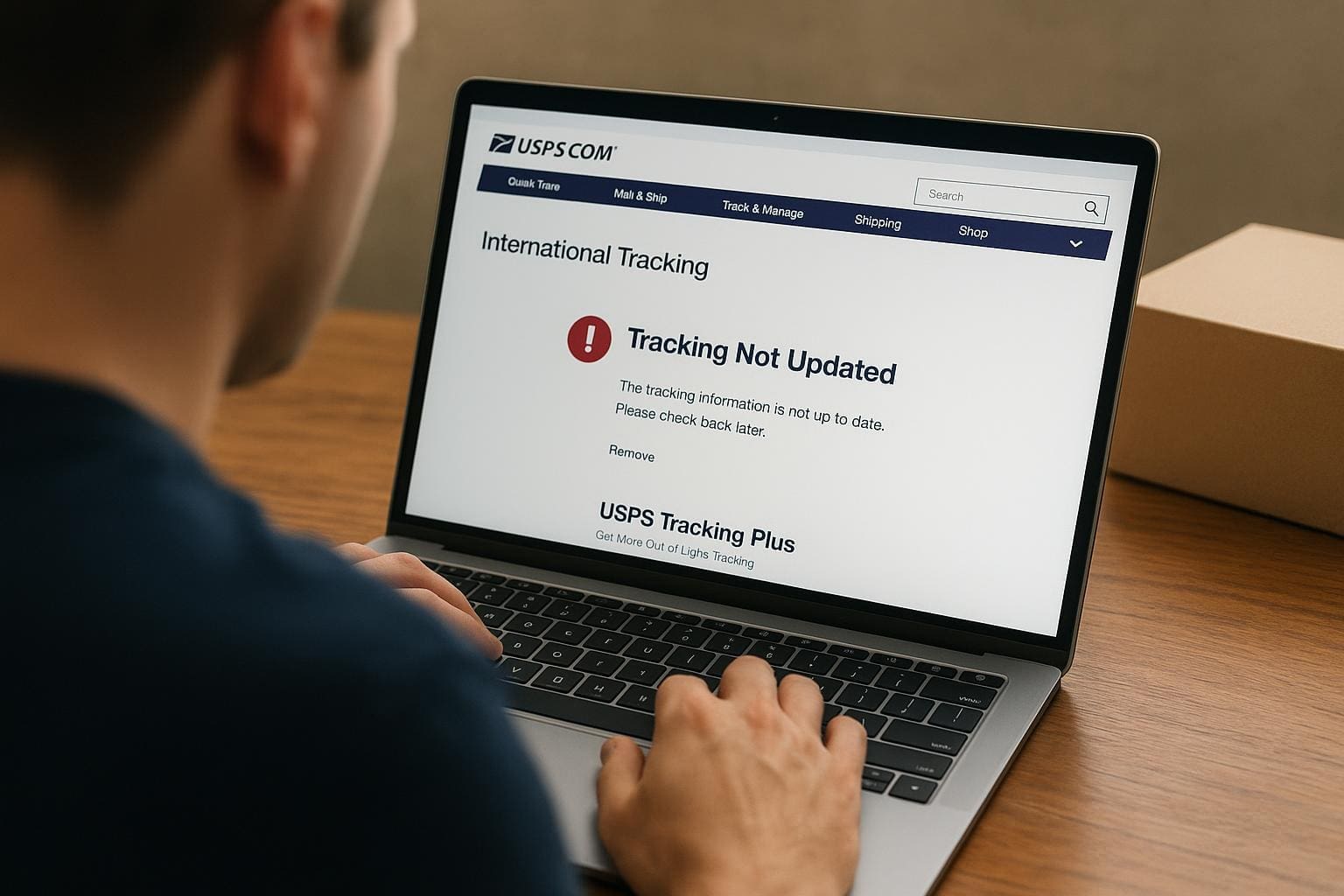
Workers in yards and warehouses are busy. Scans require devices, battery life, and training. A missed scan doesn’t mean the cargo isn’t moving. It means you’ll lack visibility until the next checkpoint. Long stretches with no updates are where anxiety spikes. Good carriers will explain why there’s a gap instead of leaving you guessing.

### Technologies That Improve Visibility
GPS-enabled trucks, IoT sensors in containers, and electronic data interchange help. A GPS ping from a container on a truck offers realtime location, while sensors report temperature and shock for sensitive cargo. EDI automates paperwork with customs authorities, speeding clearance. Not every lane or provider supports these options, so you have to ask.

## Choosing The Right Tracking Strategy
Not every shipment needs full live tracking. Match your tracking to the risk and value.

### Low-Risk, Low-Value Shipments
For inexpensive goods, basic milestone tracking (pickup, port departure, delivery) typically suffices. Over-investing in visibility here costs more than the problem it solves.

### High-Value Or Time-Sensitive Loads
For critical parts or seasonal inventory, push for live visibility, temperature monitoring, and proactive alerts. If a container deviates from its route or stops longer than expected, you want a real person calling you, not just an automated email.

#### Working With Partners
Make tracking a requirement in service-level agreements. Specify the events you need to see and the response times for exceptions. If your carrier won’t provide data at the frequency you need, consider a third-party visibility platform that aggregates scans and telematics across multiple providers.

## Interpreting Transit Times In Contracts And Quotes
Quotes will show transit times. Contracts will not always enforce them. Don’t confuse transit times with delivery guarantees.

### Ask About Liability And Remedies
If a quoted transit time is a core part of your business promise, secure compensation clauses for failures. Many carriers will accept liability only for damage or loss, not for late arrival. Negotiate if timing matters.

### Build Buffer Into Your Planning
Use historical data to set internal cutoffs. If average transit times are 18 days with a standard deviation of 5 days, plan for the 95th percentile when customer promises are strict. That’s not being pessimistic. It’s aligning operations with reality.

## Common Mistakes Companies Make
Some errors repeat across industries. Avoid these.

– Overreliance On A Single Carrier Without Backup: If that one carrier has a strike, you’re stuck.
– Ignoring Documentation Complexity: Missing licenses or incorrect HS codes create avoidable holds.
– Treating Tracking As A Nice-To-Have: Visibility is a tool for decision-making. Without it, you can’t reroute or expedite intelligently.
– Not Testing New Lanes: First shipments into a new origin or destination are experiments. Expect unexpected transit times.

### A Practical Example
One retailer set reorder points based on published ocean transit times and consistently missed seasonal windows. After tracking actual shipments, they found a hidden three-day handling lag at origin and two additional days for port congestion. Adjusting reorder points by five days eliminated stockouts while raising only modest inventory levels.

## Pricing Vs. Predictability
The cheapest option is rarely the most predictable. If you reduce price by choosing consolidation or slower services, you increase risk of variability. Sometimes the right choice is paying a bit more to reduce lead-time variability. That tradeoff is strategic, not just financial.

### Negotiating For Better Transit Times And Tracking
You can often get improved terms by aggregating volume or offering longer contract commitments. Ask carriers for access to their dashboard, not just periodic reports. Also consider third-party platforms that buy data feeds from multiple carriers and normalize them in one interface.

## Small Tactics That Make A Big Difference
A few practical steps improve outcomes immediately.

– Standardize Documentation: One error-prone field causes many customs delays.
– Use Incoterms Intentionally: Who handles export clearance matters for timing.
– Revisit Routing Quarterly: Ports and services change; a lane that was quick six months ago may no longer be.
– Run Regular Scorecards: Track on-time performance by lane and carrier, and act on trends.

You won’t fix every delay. But you can stop being surprised by them. The work is in measuring, negotiating, and matching tracking to the criticality of the load. Recieve the data, then use it to make shipping behavior predictable and useful.