How USPS Ground Advantage Vs Priority Mail Explained

usps ground advantage vs priority mail explained

Start with this: if speed and cost both matter, you’re comparing two very different promises. One is built for urgency, the other for budget-conscious parcels. Saying “which is better” without context misses the point. The right choice depends on weight, dimensions, fragility, and how much time you can tolerate.

## USPS Ground Advantage Vs Priority Mail Explained: Quick Reality Check

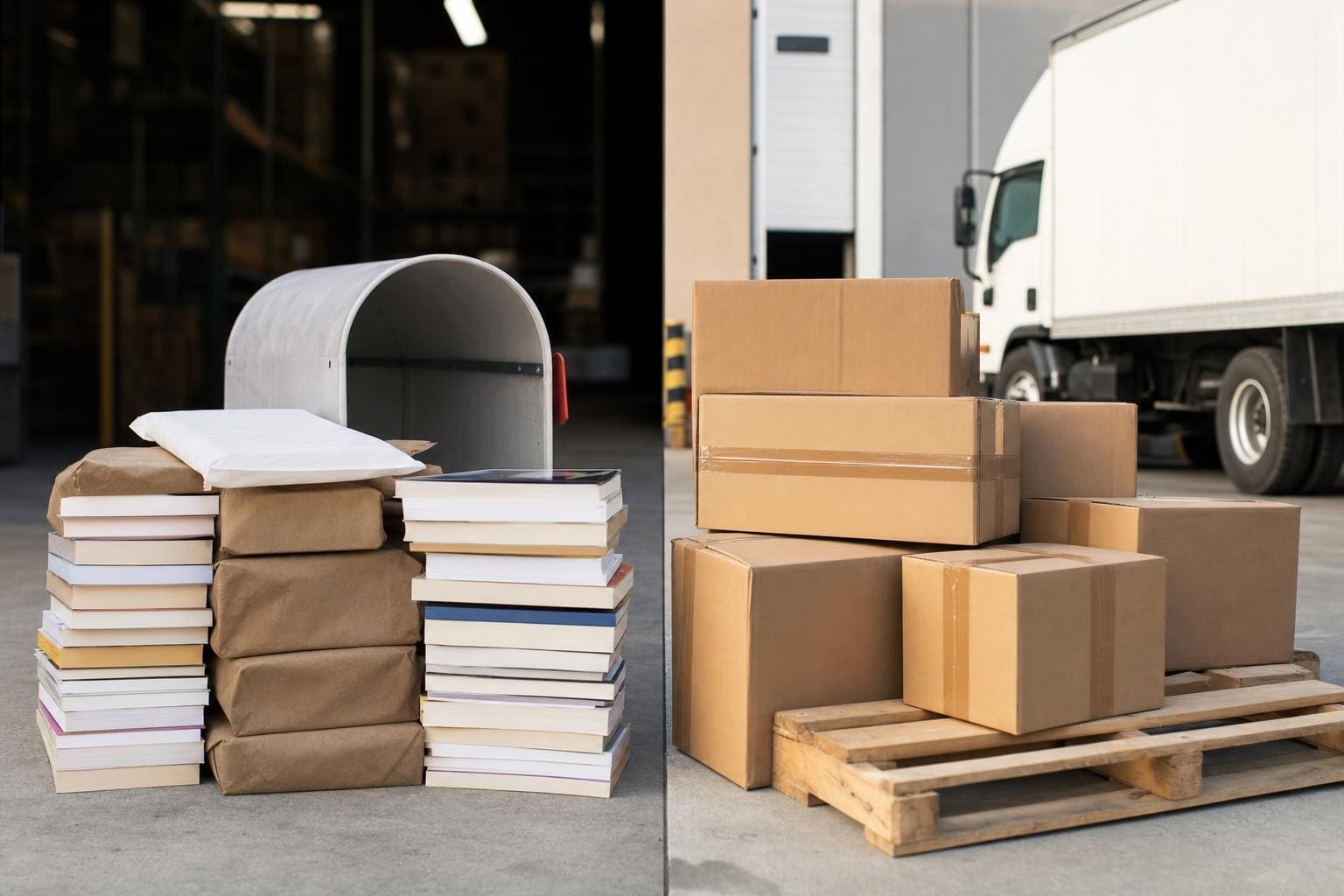
usps ground advantage vs priority mail explained comes up a lot because the USPS reshuffled services and gave us new names. The short version: Priority Mail is generally faster and more consistent for small and medium packages. ground advantage is cheaper for heavier or larger items that can travel by ground. But the practical details matter.

### How Pricing Actually Works

Pricing looks simple on the surface: Priority Mail has flat-rate boxes and zone-based rates; ground advantage charges by weight and distance with different dimensional considerations. In practice, a 2-pound item shipped across state lines often costs less with Priority Mail if you use a flat-rate envelope. Move to a 15-pound box, and ground advantage usually wins.

Priority Mail includes some services by default — like limited insurance and faster scans — which can carry value even if the sticker price is higher. For many sellers and small businesses, those extras reduce headaches. Meanwhile, if you’re shipping heavy but not urgent items, the lower base rate on usps ground packages adds up over time.

### Delivery Speed And Reliability

Priority Mail aims for 1–3 business days in most cases. It moves by air more often and is prioritized in sorting hubs. That means fewer delays and better predictability. Tracking updates tend to be more frequent.

With ground advantage, expect 2–5 business days depending on origin and destination. Your package will move by truck for most routes. That increases transit time variability. If a holiday or weather event hits, ground routes get stretched more quickly than air lanes.

### When To Pick Ground Advantage

– You’re sending bulky or heavy items where Priority’s flat rates aren’t competitive.
– You’re not under a tight deadline.
– You’re trying to keep long-term shipping costs low for lower-margin products.

Think furniture parts, large craft supplies, or dense items sold in bulk. For these, the per-pound savings on ground advantage are often meaningful. If your customer expects delivery in a week and the price difference is substantial, choose ground.

### When Priority Mail Wins

Priority Mail is the better choice when speed and consistency matter. If you sell electronics, perishable goods, or anything that customers expect quickly, the extra few dollars can save you support tickets later. Also look at Priority when you can take advantage of flat-rate packaging: a heavy item in a flat-rate box can make Priority the cheaper option.

### Insurance, Claims, And Tracking Differences

Both services include tracking. Priority Mail often gets more scans because it moves through higher-visibility channels. Insurance terms are similar for declared value, but Priority Mail includes up to $100 of insurance in some retail contexts. That’s useful for small-value but fragile items.

Claims on usps ground shipments can take longer to resolve if the package moved on multiple trucks and hubs. The paperwork is the same, but the practical reality is that traceability and claim resolution tend to be quicker with Priority.

#### Package Size And Weight Rules

Priority Mail pricing depends on weight and destination unless you use flat-rate boxes. Ground advantage focuses more on pounds and distance, and can charge more for large dimensions even if weight is low. For awkwardly shaped items that fill a box but don’t weigh much, run the math for both services.

For example: a 12x12x12 box that weighs 8 pounds might cost more on Priority than on ground advantage when shipped a long distance. But if it’s only crossing a couple of zones, Priority flat-rate might be cheaper.

#### Hazmat, Restrictions, And Special Handling

Both services have similar restrictions for hazardous materials, but the routing differences mean you’ll sometimes see ground advantage refuse certain items that Priority will accept because of air transport rules. Check USPS hazmat guidelines before you label and ship.

### Labeling, Dropoff, And Pickups

You can print both labels online. Priority Mail flat-rate boxes are free at Post Offices; you can also schedule pickups for both services. In practice, Post Office lines move faster when your package is Priority Mail because it’s scanned and routed immediately. That’s a small time-saving but it adds up when you ship dozens of packages a day.

### Cost Examples To Run Yourself

Do quick tests. Weigh and measure your common package types and price them for both services using USPS rate calculators. For many sellers the rule of thumb becomes: under 5–6 pounds close-distance, compare Priority with flat-rate options; over that, lean to ground advantage. But volume discounts and commercial pricing can flip that in some accounts.

usps ground pricing can be surprisingly competitive when you have repeated shipments to similar zones. If you use a shipping platform that offers commercial rates, re-run those scenarios there — the advertised retail prices aren’t the whole story.

### Packaging Tips Based On Service

If you pick ground advantage, protect items against jostling. Ground routes mean more time on trucks and more handling. Wrap fragile items and fill voids. For Priority Mail, pad and protect but you can be a little more confident in timeliness reducing risk.

If you use flat-rate Priority boxes, pack tightly. An item that moves around inside a flat-rate box can still break. For the ground advantage, avoid oversized boxes that raise dimensional pricing.

### Real-World Tradeoffs For Sellers

Small sellers sometimes default to Priority because it’s simpler and predictable. That’s fine for low-volume operations where time is money. For higher-volume or low-margin products, switching to ground advantage on suitable SKUs can cut shipping spend notably.

If you sell on marketplaces, check their delivery promises. Some platforms favor faster delivery and penalize sellers whose choices lead to late shipments. Align your shipping selection with the promise you’ve made to customers.

### Common Gotchas To Watch For

– Don’t assume flat-rate always wins; weight and zone change that quickly.
– Watch dim weight on large packages for ground advantage — dimensions can raise the price.
– Verify pickup cutoffs. Ground pickup trucks might have different schedules than priority flights.
– Use the right service label. Mislabeling a Priority package as ground advantage or vice versa will complicate tracking and claims, and can hold up refunds for customers.

If you want, send me a couple of package specs — weight, dimensions, origin and destination zip codes — and I’ll run the numbers and recommend which service fits each case better. I’ve seen sellers save hundreds a month by moving the right SKUs to usps ground while keeping high-value items on Priority. Recieve one or two examples and we can test it.

USPS Hold Mail Duration How Long Your Mail Stays On Hold

usps hold mail duration

## USPS Hold Mail Duration: What To Expect

If you want the short answer: the USPS hold mail duration is limited. You can typically pause delivery for days to weeks, not months. That matters if you worry about packages piling up at your door while you’re gone.

Most residential customers use the USPS Hold Mail service when they’re out of town for a vacation or a short trip. The post office stores your incoming mail at your local facility instead of putting it in the box. When the hold ends, your mail is released for delivery or you can pick it up at the counter.

### How Long Can You Keep Mail On Hold

The basic rule people run into is that the USPS hold mail duration runs from a few days up to 30 days. That’s the built-in limit for the standard service. If you need to be away longer than that, the post office expects you to file a change of address, rent a PO Box, or arrange for someone to pick up your mail in person. Trying to chain back-to-back holds isn’t reliable; different branches enforce things differently.

If your question is “how long will the post office hold packages and letters?” the practical answer is the same: short-term only. There are exceptions and quirks — envelopes and small packages are straightforward, but oversized packages or items requiring a signature might be handled differently. Ask your local postmaster if you have delicate, high-value, or unusual deliveries.

### What Counts As A Valid Hold Period

You can request a hold for a minimum of a few days and a maximum of 30 days. Online requests typically ask for a start and end date. Choose dates carefully. If you pick a start date in the very near future, the post office needs time to process the request, so it’s smart to submit at least 24–48 hours before you leave.

Remember that the advertised hold mail duration is just the official window. In practice, operational issues — staffing, local rules, or package volume — can change how things play out. Don’t assume everything will run perfectly if you’re leaving a critical bill or important legal mail unattended.

## How To Place Or Cancel A Hold

### Requesting A Hold Online Or In Person

Placing a hold is simple. You can do it on USPS.com, at the local post office, or by calling your carrier. The online form asks for your name, address, start and end dates, and sometimes a delivery preference. The service itself is free.

If you prefer to deal with a person, go inside your local post office. That’s useful when you have special circumstances — say, a package that needs to be held behind the counter rather than left in a lobby locker. In-person staff can confirm whether your requested hold mail duration looks workable.

### Cancelling Or Changing A Hold

Changing or cancelling a hold is usually straightforward. Log in to your USPS account and edit the request, or call the post office directly. If you need a sudden extension beyond 30 days, you won’t get it through the usual online form. Your best bet is to talk to the postmaster; sometimes exceptions are made, but they’re not guaranteed.

Watch for the confirmation reciept email when you submit a request. It’s the proof the post office has your dates on file. Keep that until you see the mail resume.

## What Happens To Packages And Large Items

### Packages Require Special Attention

Packages don’t always behave like letters. Many carriers will hold packages the same way they hold mail, but some merchant shipments or signature-required parcels might be processed differently. If a package is oversized or requires signature, the post office usually holds it behind the counter for pickup. If you specify a hold, staff will try to collect those items with the rest of your mail.

If you regularly receive packages from multiple carriers, consider a PO Box or a secure parcel locker service. The USPS hold mail duration won’t protect you from deliveries by private carriers like UPS or FedEx.

### Packages Dropped Off Before Your Hold Starts

A common snag: a package arrives right before your requested hold start date. If the carrier has already attempted delivery and left a notice, that package may end up at the counter for pickup rather than being tucked in with the held mail. Check tracking for anything time-sensitive and coordinate with the local post office if necessary.

## Timing On Release: When You Get Your Held Mail

Most post offices release held mail for delivery on the first delivery day after your hold ends. That means all the envelopes, flats, and eligible packages will often arrive in one load. Expect a single bulk delivery or to pick everything up at the counter.

If you requested the hold to end on a Monday, don’t necessarily assume you’ll get the bundle that same afternoon. Sometimes it’s scheduled for the next regular delivery run. If timing matters — a bill due date or legal notice — plan around a buffer day or two.

### Splitting A Large Pile Of Mail

If your held mail is big, the carrier may spread deliveries across a couple of days. That’s not a refusal to deliver; it’s just logistics. If you prefer to pick things up at the post office to avoid multiple trips, tell the clerk when you place the hold.

## Security, Theft, And Practical Tips

### Why Use Hold Mail Instead Of Forwarding

A lot of people think forwarding will solve long absences. It will, but forwarding reroutes mail permanently or for an extended period, and not all mail can be forwarded (some periodicals or packages won’t forward reliably). Hold mail keeps everything at the post office and reduces the chance of theft from a visibly full mailbox.

If you expect only a few pieces of crucial mail, arrange for a trusted neighbor to collect them and bring them to you. Otherwise use the official hold — it’s one of the easiest ways to protect your deliveries.

### Use Informed Delivery Carefully

USPS Informed Delivery can give you previews of expected mail while it’s on hold. But it’s not perfect. Sometimes images won’t show every piece while items are being held. Don’t rely entirely on it for proof that something arrived.

Lock down your mailbox before you leave. If you have a lockable box or can lock the front entry, do it. If not, hold mail is the least risky option.

## Common Problems People Run Into

### Hold Requests Not Processed On Time

Sometimes your request doesn’t get entered or gets delayed in the local system. That’s why the reciept confirmation matters. If you don’t get it, follow up. If staff are busy, ask for written confirmation in person.

### Neighbor Picks Up Mail Without Authorization

If you want someone else to pick up your held mail, give the post office written authorization with the person’s full name and a photo ID requirement. Otherwise staff might refuse to release it. Some locations are strict — they won’t release a bundle without seeing the exact ID that matches your authorization.

### Returned Or Undeliverable Items

If something is undeliverable while you’re gone — wrong address, damage, or refusal — the USPS follows typical undeliverable procedures. That can mean the item gets returned to sender or held for pickup. If you’re expecting something critical, track it and reach out early.

## Alternatives If You Need Longer Holds

### Change Of Address Or PO Box

If you need mail held for longer than the standard hold mail duration, a permanent or temporary change of address may be the right move. A PO Box is another option — it gives you long-term control over mail pickup and often works better for frequent travelers.

### Authorize A Mail Forwarding Service

There are private mail services that will receive and scan your mail, forward items selectively, and store packages. These services come with fees, but they provide more control than the standard hold. Use them if you’re a digital nomad or gone for months.

### Work With The Local Postmaster

If you have unusual needs — a long-term medical leave, military deployment, or trusted neighbor arrangement — talk to the postmaster. They can sometimes make exceptions or advise on the best local workaround.

### Quick Checklist Before You Leave
– Submit your hold mail request early and get confirmation.
– Note which carriers deliver to your address besides USPS.
– Tell the post office if someone else has permission to pick up.
– Track high-value packages separately.
– Consider a PO Box for long or frequent absences.

### Frequently Asked Questions About Hold Mail Duration

#### Can I Hold Mail For Less Than 3 Days?
Policies vary by branch, but most holds should be for at least a couple of days. The system is meant for short-term absences, not same-day toggles.

#### Will Bills Still Be Delivered On Time?
Bills go into the same held pile. If a due date lands while your mail is held, treat that as your responsibility. Consider paying bills online or setting autopay.

#### Are There Fees For Hold Mail?
No. The USPS hold mail service is free for eligible addresses. Paid alternatives (like private mail services) will charge you.

Keep in mind: the USPS hold mail duration gives you a practical window to secure your deliveries, but it’s not a long-term solution. Plan according to what you actually receive, not just the calendar.

Unlock Steps To Take When USPS Says Delivered But No Package

steps to take when usps says delivered but no package

If the tracking says delivered but the box isn’t there, your first moves matter. Don’t assume theft right away. A few practical checks will resolve most cases.

## Steps To Take When USPS Says Delivered But No Package: First Actions

Start by confirming the delivery details on the tracking page. Look at the time, the delivery scan location, and any notes. If the status reads “delivered” but the time was early in the morning or late at night, the carrier might have left it in an odd spot. That’s when you begin the basic search and inquiry steps to take when usps says delivered but no package.

### Check Around Your Property

Walk the perimeter. Porches, side doors, garages, bushes, and areas behind planters are common hiding spots. Packages sometimes end up on a neighbor’s stoop by mistake. Ask the people who live closest whether they grabbed it to keep it safe. Check with building staff or a leasing office if you’re in an apartment complex — they often take packages inside.

If you have outdoor cameras or a Ring-like doorbell, review footage for the delivery window. Even a brief clip can prove where the driver left the package or whether someone else picked it up. If you don’t have video, ask neighbors if their cameras caught anything useful. This practical search phase is part of the usual steps to take when usps says delivered but no package.

### Re-Read The Tracking And Delivery Notes

Sometimes the tracking includes a precise note: “Left in back porch,” “With front desk,” or “Delivered to mailbox.” Those small details matter. A scan that says “delivered” but no package could mean the item went to a community mailbox or an alternate address. If the package was deceptively marked “Delivered” half an hour ago, the carrier might still be nearby and able to re-check.

### Contact Your Local Post Office

Call the local post office that handled the delivery. Explain the situation and provide the tracking number. Ask the clerk to check with the carrier who made the delivery. Often the carrier can confirm whether they physically handed the package to someone, left it in a specific spot, or mistakenly scanned it as delivered before finishing the route. Keep your notes and the names of anyone you speak with. This step is one of the practical steps to take when usps says delivered but no package.

#### What To Say When You Call

Be concise: give the tracking number, the date and time of the alleged delivery, and where you expect the package should have been left. Ask them to initiate a “carrier check” or “mail search.” If the item is time-sensitive, say so; that can speed things up.

### Contact The Sender Or Seller

If the post office can’t locate it quickly, email or call the seller. Provide the tracking number and explain that the package shows delivered no package. Many retailers will file a claim with USPS on your behalf or issue a refund or replacement while the search continues. If you paid with a credit card or a platform like PayPal, you might have buyer protection options available, so keep that in mind.

One of the most effective steps to take when usps says delivered but no package is to get the seller involved early. They can often push the investigation forward more effectively than a single customer inquiry.

### File A Missing Mail Search Or Claim

If initial checks don’t find the package, file a Missing Mail search through the USPS website. You’ll need tracking details, your contact information, and a description of the item. For insured packages or those shipped via Priority Mail Express, you can file a claim for reimbursement if the item is deemed lost.

Keep in mind that claims have time limits. For many services, you’ll need to file within a certain window after the scheduled delivery date. Document everything as you go: screenshots of tracking, copies of correspondence, and notes on phone calls. These records are useful if you need to escalate.

### Use Evidence And Documentation

Photos of the area where the package should have been, screenshots of the tracking page, and any camera footage all help. If the carrier or post office offers to re-check, follow up in writing by email so there’s a paper trail. Storefront sellers and marketplaces will want that documentation to act — and you’ll need it if you pursue a refund through your payment provider. This is a key step to take when usps says delivered but no package.

### When To Involve Your Payment Provider Or Credit Card Company

If the seller won’t help and USPS can’t locate the item, consider disputing the charge with your credit card or filing a claim through PayPal or your payment service. Most payment processors require proof you tried to get the item through the seller first. They also look for evidence the package was never received, so your documentation matters.

### When Theft Is Likely

If you find evidence of theft — a camera clip, eyewitness report, or nearby pattern of stolen packages — file a police report. Provide the police with tracking info, images, and any proof you have. A police report can support insurance claims and help local law enforcement notice a pattern.

## What Happens After You Report A Missing Package

USPS will usually begin an inquiry and attempt to contact the carrier. Missing mail searches can take several days. If you filed a claim, expect the insurer or USPS claims team to request proof of value and proof of mailing. Retailers may wait for the results of the search before issuing a refund or replacement. Keep following up every few days and ask for case numbers and points of contact. Being persistent often makes a difference.

## Preventive Steps To Avoid Future Delivered No Package Problems

If this happens often in your area, take small changes that reduce risk. Opt for signature-required delivery for high-value items. Use alternate addresses like your workplace or a trusted friend’s place. Consider a PO Box or USPS Parcel Locker if those are available. If you get many deliveries, installing a simple lockbox or camera can deter porch theft and provide evidence if something goes missing.

Sign up for Informed Delivery by USPS. It emails you images of incoming mail and can help you spot anomalies quickly. Also, leave clear delivery instructions when ordering: “Leave at back door” is better than “Leave at porch” if you have a spot that is sheltered and out of public view.

If you have an apartment, register with building management for package handling rules. Label your unit clearly and confirm where carriers should leave items. Small changes like that cut the most common delivery mistakes.

## How To Talk To Support Without Getting Frustrated

Remain calm and factual. Say what you know and what you expect. If someone promises a follow-up, note the name and time. Escalate politely if you hit roadblocks — ask for supervisors or use the retailer’s customer care channel. Clear, patient communication will get you further than angry emails. You’re more likely to resolve a missing package usps case if you keep the interaction straightforward.

Most “delivered no package” problems end up being a mis-scan, a neighbor holding the box, or a carrier who realizes the mistake and corrects it within a day or two. But when those quick fixes don’t happen, follow the documented steps to take when usps says delivered but no package: search, document, contact, and, if necessary, claim or dispute. Keep good records and you’ll increase the chance of a positive outcome.

If you want, tell me the tracking number and what you’ve already checked and I’ll walk through the next steps with you. Also, double-check the shipping adress for typos — sometimes the smallest thing causes the biggest problems.

How To Change Address With USPS Step By Step Guide

how to change address with usps

Moving means a dozen small tasks. One of the most practical: change your mailing address so bills, packages, and important letters actually show up where you live. Here’s a plain-speaking, step-by-step guide on how to change address with usps and what to watch for.

## How To Change Address With USPS: The Simple Path

Start online unless you have a reason not to. The fastest way is the USPS move form at usps.com/move. You’ll fill in your old and new addresses, pick an effective date, and confirm whether the move is permanent or temporary. There’s a small identity verification fee (usually $1.10) to prevent fraud. That’s the official route; it’s quick, and most people finish in under 10 minutes.

If you want alternatives, you can submit the paper form PS Form 3575 at a local post office or call customer service. But for most moves the online step is the least hassle. Before you jump in, gather the names of everyone on the mailbox and a card or bank account for identity verification.

### Online Method Step By Step

1. Go to usps.com/move.
2. Choose Permanent or Temporary Forwarding. Temporary is useful for short stays; permanent forwards last longer.
3. Enter names as they appear on mail. Add authorized recipients if needed.
4. Fill old and new addresses, including apartment numbers and any unit details.
5. Select the start date for forwarding. USPS will accept a future date if you plan ahead.
6. Pay the verification fee and check your email for confirmation.

A few details matter: enter the correct apartment number. Use the standard format (123 Main St Apt 4B) so sorting machines read it correctly. And double-check the email you use—the confirmation contains a confirmation code and a Receipt Number you might need later.

### Submitting The Paper Form At The Post Office

You can pick up PS Form 3575 at any post office counter. The clerk will give you the form and a receipt. Write clearly; cramped handwriting leads to errors later. The mail forward will start based on the date you fill on the form or the date the post office processes it.

This route is useful when an online payment method isn’t available to you. It also avoids the verification fee that online transactions charge. But it’s slower: processing can take several days and you’ll want to keep a copy of the stamped form for your records.

### Calling To Change Your Address

You can call USPS customer service if you prefer phone help. Be ready to verify identity and provide both addresses. If you do this, follow up with the confirmation email or receipt. Phone support can be helpful when you have a complicated situation—like forwarding from or to an APO/FPO address.

## What The Move Covers And How Long It Lasts

USPS forwards First-Class Mail, Priority Mail, and some other classes for up to 12 months for permanent moves. Magazines and periodicals usually forward for 60 days. That means some subscriptions might stop forwarding, and you’ll need to contact publishers directly to keep them coming.

Temporary forwarding typically lasts from a few days to several months; you pick the end date when you set it up. If you delay the start date, set a reminder—mail arriving before the start date will go to your old address.

### Identity Verification And Fees

Online requests include a small identity verification charge. The fee helps block scammers who might try to redirect someone else’s mail. The most common legitimate payment method is a credit or debit card. Keep an eye out for phishing: USPS will not email you asking for your password or full card number.

If you submit PS Form 3575 in person, you won’t pay that verification fee. But the in-person process relies on physical signatures and processing times at each post office.

## How To Change Address With USPS For Multiple People Or Businesses

If more than one person receives mail at the old address, list every name. You can add up to a certain number of recipients on the online form; for large households or small businesses, you might need to use the paper form. For business moves, update the name exactly as it appears on commercial mailings to avoid missed invoices.

If family members share the same mailbox but have different last names, explicitly include each name. Otherwise, some mail sorted under a different name can be returned to sender.

### Temporary Versus Permanent Decisions

Choosing temporary forwarding is often smarter for short-term work assignments or renovations. Permanent forwarding should only be used when you’re certain you’ve moved for good. If you use temporary forwarding and then decide to stay, switch to permanent later.

## Common Mistakes People Make

– Typos in the new address. Even a single wrong digit in a ZIP code screws things up.
– Forgetting to add apartment or unit numbers.
– Assuming all mail will forward. Bulk mailers and some magazines won’t.
– Not updating names on the mailbox. If only one family member is listed, other people’s mail might not forward.
– Delay in notifying banks and government agencies.

Double-check everything. It’s a small task that can prevent a missed lease renewal notice or an important bank statement. Don’t be casual about it—proofread the form the same way you would a legal document. Also, if you’re relying on mail for an ID or a time-sensitive item, verify that it’s eligible for forward.

### Common Scams To Watch For

After you submit a change, scammers sometimes send fake “confirmation” emails that ask for more information or say a payment failed. USPS won’t ask for passwords or full card numbers by email. If an email looks off, go to your account on usps.com and check the move there instead of clicking links in the message.

## Tracking And Confirmations

When you complete the process online, USPS sends a confirmation email with a confirmation code. Keep that code. If something goes wrong—a mail piece doesn’t forward or forwarding starts on the wrong date—that code speeds up the fix when you talk to customer service.

You can check the status by logging back into your account or using the confirmation link. For paper submissions, hold onto the stamped PS Form 3575 receipt; it’s proof the post office received your request.

### How Long Before Mail Starts Forwarding

Typically, forwarding begins within 7–10 postal business days of the request if submitted online. For paper forms mailed in, give it a bit longer. If you set a future start date, mail will follow from that date.

## What Mail Doesn’t Forward Automatically

Not everything follows you. Some examples: certain magazines, mailers sent at bulk rates, and packages that require signatures from the original address. Court documents and legal mail may have different rules. If you expect important, time-sensitive items, arrange for direct updates with the sender in addition to using USPS forwarding.

## Updating Other Important Records After Your USPS Address Change

Changing mail forwarding isn’t the same as updating your address everywhere it matters. Do these early:

– Banks and credit cards.
– Employer and payroll.
– Social Security Administration for benefits.
– DMV for driver’s license and vehicle registration. Rules and timelines vary by state.
– Insurance companies (auto, home, health).
– Healthcare providers for billing and appointment notices.
– Subscription services and streaming accounts.
– The IRS—especially if you expect a refund or are on a payment plan.

Make a short checklist and tick items off as you update them. For bank and government agencies, you’ll likely need additional proof of address—utility bills, lease agreements, or a driver’s license.

### Proof Of Address You Might Need

Some agencies accept a utility bill, lease, or bank statement. For certain transactions, a driver’s license or state ID with your new address is required. If you need a new license, check your state DMV’s accepted documents before you go.

## Handling Packages When You Move

Packages from carriers like UPS, FedEx, and Amazon don’t automatically follow USPS forwarding. If you expect a parcel during the move, contact the seller or carrier and ask them to reroute or hold it for pickup. For Amazon, you can often change delivery instructions or reschedule. If a package is already en route, some carriers will redirect for a fee.

### Updating Delivery Preferences

On the USPS website you can set delivery preferences and authorize carriers to leave packages in a specific place. That’s separate from forwarding and useful if you stay in the same area but want to change where packages are left.

## Special Cases: Military, International, And Seasonal Moves

For APO/FPO/DPO addresses, use the specific military forwarding rules. International moves have additional customs and address format considerations. Seasonal moves—like wintering in another state—are good candidates for temporary forwarding.

If you’re moving back and forth seasonally, make sure the start and end dates cover the periods you’ll be away. Otherwise you’ll get split deliveries and extra headaches.

## After The Move: Final Steps

Update your mailbox label and put up new house numbers if needed. Notify neighbors and building management. If you’re still receiving mail at the old place after forwarding starts, contact the old post office and check with the new one as well. Mistakes happen; persistence gets them fixed.

Also, set a reminder to re-check the list of organizations you wanted to notify and make sure they confirm the change. Some businesses require a separate update for billing addresses, even if USPS forwards your mail.

## How To Change Address With USPS When You Don’t Have A Credit Card

If you prefer not to pay the online verification fee, fill out PS Form 3575 at a post office. The clerk will process it and give you a receipt. It’s the same forwarding service without the small online charge. It takes longer, but it avoids the payment step.

### When To Use A Change Of Address Service

There are third-party services that offer address update bundles for a fee. They can be handy if you want a single interface to notify many companies. But you don’t need them for mail forwarding itself; USPS forwarding is the core service. If you use a third-party service, verify that they’re reputable and that you still receive the USPS confirmation after they submit your request.

If you ever need to cancel or alter a submitted change, use your confirmation code or visit the post office. Changes can be made before the start date; after forwarding begins, adjustments still may be possible but can take more time.

A small note: after you finish the process, check your mail for the first few weeks. If something doesn’t arrive, contact the sender and use your USPS confirmation to investigate. And if you find you didn’t include someone at the old address, you can submit an additional request. Don’t assume everything will flow perfectly—follow-up pays off.

(intentional misspelled word included: recieve)

Boldly Selecting Optimal Shipping Methods for Small Business

selecting optimal shipping methods for small business

Start with the one decision that changes how your shipping affects profit: pick the wrong method and you eat margin; pick the right one and shipping becomes a predictable cost, not a surprise. This is about choices that actually matter, not theoretical bests. You’ll need numbers, a clear priority list, and a willingness to change when data says you should.

## Selecting Optimal Shipping Methods For Small Business: A Practical Guide
If you’re selecting optimal shipping methods for small business, you need to stop thinking in absolutes. There is no single “best” carrier or box size. There are trade-offs: cost versus speed, simplicity versus customization, pickup frequency versus storage. Pin down what you value, then choose options that match. Saying free shipping to every customer might win conversions, but it can kill your margins fast. Saying next-day to everyone might make the CFO cry.

### Know What You’re Shipping And To Whom
Every product behaves differently in transit. Lightweight, low-value items can survive a ground carrier’s longer transit at a steep discount. Fragile, high-value goods demand added protection and sometimes a different carrier or insurance level. Volume matters too: because dimensional weight rules punish bulky but light items, your packaging choices can swing the price.

Think about your customer geography. If 70% of orders are local, a regional courier or even same-day delivery partner might save money and improve experience. If customers are nationwide, focus on carriers that give you predictable national zones and reliable tracking. Don’t guess your customer profile—pull actual order data for the last 90 days and map it.

#### Measure Actual Weights And Dimensions
Weigh and measure a sample of SKUs. Use that real data to calculate both weight-based and dimensional-weight charges. Dimensional weight often surprises people: a chunky pillow can cost more to ship than a compact metal tool of the same weight. Measure at least the top 10 selling SKUs first; it will capture most of the shipping behavior.

### Map Your True Costs
Most small businesses look at postage or label cost and stop. That misses packing labor, boxes, tape, packing materials, insurance, return labels, and pickup fees. Build a per-order cost model that includes:
– Packaging materials amortized across units
– Labor time to pack and label
– Carrier fees and fuel surcharges
– Insurance or declared value charges
– Return handling costs (estimate based on past returns)

This is where many shipping strategies fail: promotions like free returns or free shipping get turned on without factoring labor and reverse logistics.

#### Calculate Break-Even For Shipping Promotions
If you run free shipping above $50, what does that cost you? Take the average order margin and subtract the per-order shipping and packaging cost to see how margin changes. If the free-shipping threshold increases average order value enough to offset the cost, it’s working. If not, adjust.

## Choosing Between Speed, Cost, And Reliability
You can’t have everything. Decide what matters for each product line. For fragile or high-replacement items you probably value reliability and tracking. For consumables or non-urgent goods, prioritize low cost.

### Create A Tiered Shipping Strategy
A tiered approach lowers complexity and matches customer expectations. Examples:
– Economy Ground: low-cost option for non-urgent items.
– Standard: 2–5 day service for most orders.
– Expedited: next-day or two-day for high-value or gift items.
– Local Same-Day: for nearby customers or subscriptions.

Label which SKUs qualify for which tier. Apply rules in your checkout so customers see only relevant shipping options. This reduces confusion and customer contacts about shipping speed.

### Use Shipping Options Wisely
Offering ten shipping options looks generous but overwhelms customers and increases errors. Limit choices to three clear options at checkout. Present them as easy comparisons—price, days, and a short note about the carrier. Clarity beats completeness.

## Negotiating With Carriers And Choosing Partners
Small businesses can and should negotiate for better rates. Start by aggregating volume—if you use several marketplaces, combine that volume when asking carriers for discounts. If you’re small, third-party fulfillment services or shipping consolidators can give you scale without the volume.

### How To Negotiate
Don’t lead with politeness; lead with numbers. Tell the carrier your monthly shipment count, average weight, and top destinations. Ask for a rate table that includes surcharges. If you use one carrier heavily, threaten to move some volume to a competitor. Carriers don’t like losing steady customers.

Use data to push for tiered discounts. Some carriers will lower per-label fees once you hit a shipments-per-month threshold. Others will reduce surcharges like residential delivery fees if you can increase commercial deliveries to a nearby hub.

#### When To Use A Regional Carrier
Regional carriers often beat national carriers on price and speed within specific corridors. If 40% of your customers are in a neighboring state, test a regional carrier for those orders. The catch: integration and tracking parity might be worse. Validate with a two-week pilot before shifting volume.

## Packaging As A Cost And Experience Lever
Packaging is part protection, part brand, and part cost center. Don’t let headspace win—boxes with a lot of air cost you via dimensional weight. But don’t skimp on protection where damage rates would rise.

### Standardize Right-Sized Packaging
Design a small set of box sizes that cover most products. This reduces packing time, simplifies inventory, and helps negotiate box pricing. If you sell a wide variety of sizes, consider using adjustable mailers or void-fill that compress well to reduce dimensional weight.

### Protect High-Value Items
For small, expensive items, use sturdy inner packaging and require signature on delivery if needed. The extra cost is worth it if it reduces claims and fraud. Claims are not just money—they’re customer pain and reputation risk.

## Automation And Tools That Scale
Manual label printing and spreadsheets are fine for early days but become a drag as orders grow. Shipping software can route orders to the cheapest carrier, print labels, batch pickups, and manage returns. Integrations with your ecommerce platform matter. If your software doesn’t support your cart or marketplace, you’ll create friction in operations.

### What To Automate First
Automate these three tasks:
1. Labeling and rate shopping at checkout.
2. Batch printing for pick/pack workflows.
3. Tracking updates sent to customers automatically.

Automation isn’t about removing control; it’s about freeing time to analyze performance and negotiate better rates.

#### Consider A Third-Party Logistics (3PL)
If fulfillment is eating day-to-day bandwidth, a 3PL can be a force multiplier. They handle storage, picks, packing, and shipping with negotiated carrier rates. Make sure the 3PL provides SKU-level visibility, a clean portal, and clear SLAs for damage and returns. A bad 3PL amplifies problems quickly.

## Returns: The Hidden Shipping Cost
Returns can be 10–30% of orders in some categories. Many merchants treat returns as a customer service expense, not a shipping decision. That’s backwards. Your returns policy should be part of your shipping strategy and priced accordingly.

### Build A Return Policy That Matches Your Brand
Do you want frictionless returns to drive loyalty, or tighter returns to protect margins? Either choice is okay. Just price it in. If you absorb return shipping, expect higher return rates. If you require customers to pay return shipping, accept the drop in returns but consider how it affects repeat purchases.

### Use Smart Return Labels
Prepaid return labels improve customer experience and speed up resale of returned items. They also give you a predictable cost. Another option: provide store credit for returns, with customers paying return postage. That balances cost and customer goodwill.

## International Shipping Requires Different Rules
If you ship internationally, tariffs, customs paperwork, and longer transit times change the calculus. Use landed-cost calculators that show the customer the total price at checkout or use a DDP (Delivered Duty Paid) option so there are no surprises.

### Avoid Common International Mistakes
– Don’t under-declare value to dodge duties; it’s illegal and risky.
– Provide harmonized system codes for smooth customs clearance.
– Account for returns that cross borders—costs can explode if you have to pay duties both ways.

## Match Shipping Strategy To Marketing Promises
If your ads say “fast delivery,” your shipping operations and carriers must consistently deliver on that promise. Marketing converting traffic into orders is pointless if fulfillment fails to meet expectations. Align standards: promised delivery windows should be realistic given carrier performance.

### Set And Track Clear KPIs
Track on-time delivery, damage rate, label cost per order, average delivery time by region, and return rate. These KPIs let you spot problems early. If your on-time rate drops below your promise, fix the fulfillment bottleneck or change the promise.

## How To Test And Iterate
Make small changes and measure. Try a cheaper packaging supplier for a month and watch damage claims. Experiment with different carriers for specific routes. Run A/B tests at checkout: offer free shipping at $50 to half your customers and not to the other half, then compare order value and profit.

### Use Pilots, Not Full Swaps
Roll out changes in controlled pilots. If a new carrier is cheaper but has questionable tracking, send a subset of low-risk orders for 30 days. Track refunds, customer feedback, and claims. If results are good, scale up.

## Pricing Shipping Without Scaring Customers
Shipping costs are a major friction point in checkout. You have options:
– Absorb cost and raise prices across the board.
– Offer threshold-based free shipping.
– Split shipping between customer and business.
– Show shipping cost early in the browsing experience.

One practical approach: include shipping in product price for a set of core SKUs, but keep a clear free-shipping threshold for larger orders. That way you raise perceived value without surprising customers.

### Hidden Costs Versus Transparent Fees
Customers tolerate a small, transparent shipping fee better than a surprise at checkout. If you must add fees for residential delivery or Saturday delivery, label them clearly. Surprise fees increase cart abandonment.

## Data You Must Monitor Weekly
Set up a short dashboard that you check weekly. Include:
– Average shipping cost per order
– Average delivery time by region
– Damage and claim rates
– Returns percentage and cost
– Percent of orders that hit free-shipping threshold

This keeps you honest and allows faster adjustments to your shipping strategy when market conditions or carrier pricing change.

## Common Mistakes Small Businesses Make
Most errors come from assumptions:
– Assuming carriers treat all packages the same—IGNORE dimensional weight rules.
– Offering too many shipping options—few choices convert better.
– Neglecting returns—they are not a fixed cost, they are a variable that can be optimized.
– Not tracking hidden costs—labor and handling add up fast.

Fix these by measuring and by applying rules to your shipping options at checkout.

### When To Revisit Your Shipping Partners
If your average shipping cost per order rises by more than 10% year-over-year, or your damage or delay rates spike, it’s time to renegotiate or test other carriers. Keep at least two viable carrier relationships so you can shift volume without disruption.

## Make Small Changes That Compound
Adjusting box sizes, negotiating a slight discount, or automating labels can seem incremental. But the combined effect over hundreds or thousands of orders compounds into real margin improvement. Focus on repeatable, measurable steps. Have a shipping rulebook that the team follows. Change the rulebook based on data, not anecdotes.

I definately prefer tactical moves—small pilots, clear KPIs, sharp negotiations—rather than grand proclamations about being “fastest” or “cheapest.” Shipping is operations; do it intentionally and you’ll protect margin while keeping customers happy.