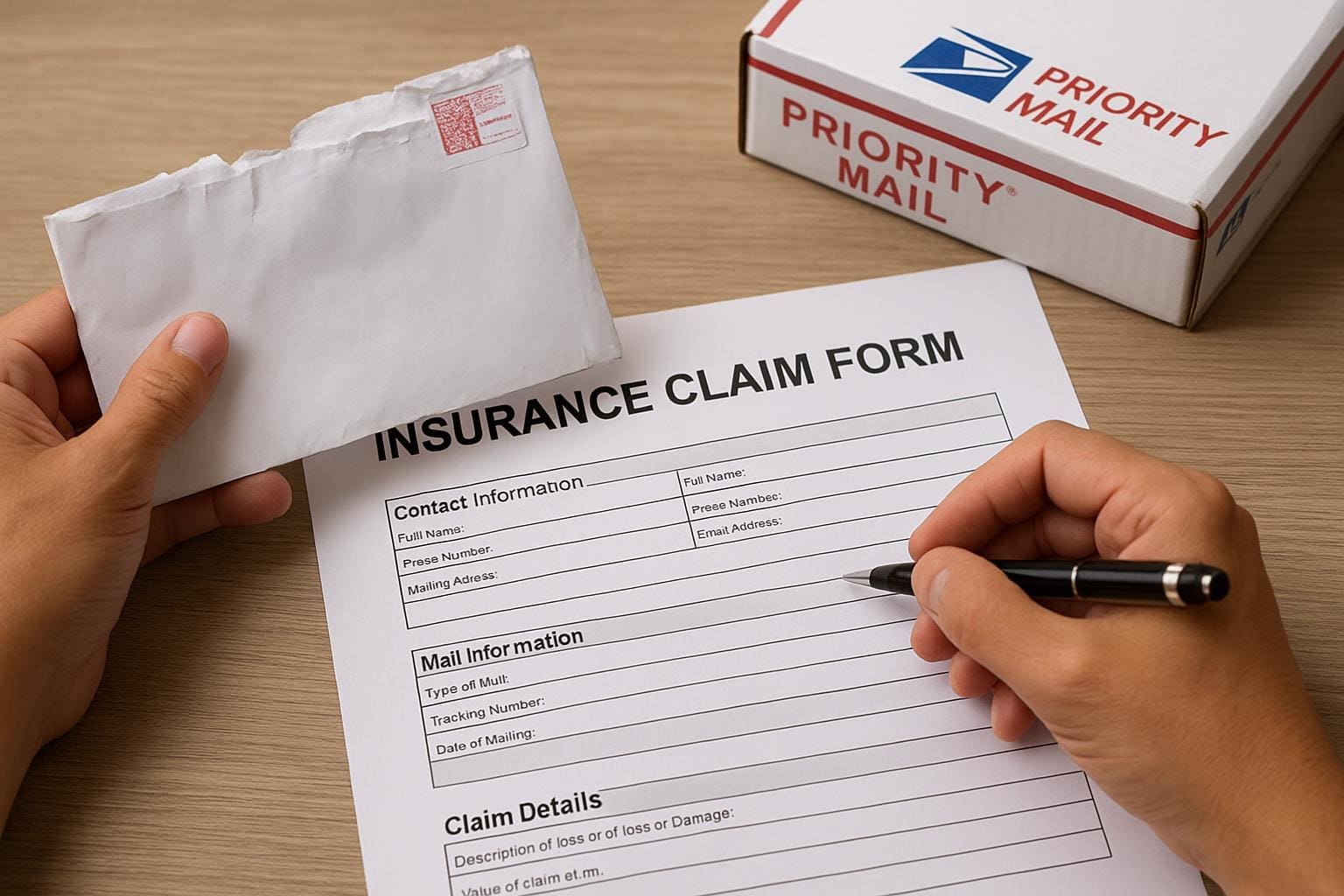
If your package never arrived or it showed up smashed, start documenting now. Quick, clear evidence is the difference between a smooth recovery and a long fight.
## Filing A USPS Insurance Claim: What To Do First
Before you start filing a usps insurance claim, stop and gather the basics. Keep the original box, any inner packing, and the shipping label. Take photos of everything: the outside box, the torn corners, the item itself, and the invoice or order confirmation. If the item is missing, take screenshots of the tracking history that shows the last scan. Don’t throw anything away. Hold on to the reciept for your purchase and the post office receipt if you bought the insurance in person.
### Who Can File And When To Start
Either the sender or the addressee can file a usps claim, but the person with the loss usually files first. Time matters. For domestic shipments you generally have a limited window to file; international claims have a much longer deadline. If you wait, you risk being denied for late filing. Start the process as soon as you notice the problem. That way you won’t be scrambling for documents later.
### What Counts As Proof
The USPS will ask for proof of value and proof of mailing or insurance purchase. Useful documents include:
– Sales invoices, receipts, or order confirmations that show price and date.
– The shipping label, tracking number, and any proof you bought insurance.
– Photos of the damaged item and the packaging.
– A written statement from the recipient describing the damage, if they’re filing.
If you opened the package and found damage, photograph the item inside the box before you dispose of anything. The USPS often inspects the original packaging. If you can’t produce a clear paper trail, your usps insurance claim may stall.
## How To File Online Or At The Post Office
Filing a usps insurance claim is usually easiest online. Go to USPS.com and find the “File a Claim” page, enter the tracking number, and follow the prompts. The system asks what happened, the value, and which documents you’re attaching. Upload photos and receipts directly. If you prefer to file in person, you can pick up a claim form at your local post office and submit it there.
### Documentation Checklist
When you prepare a claim, include:
– Tracking number or label ID.
– Proof of purchase (invoice, receipt, or order history).
– Proof of insurance purchase or mailing receipt.
– Photos of damage and packaging.
– Any communications with the carrier or buyer about the condition.
If your item was stolen and covered, a police report can help. For items with high value, a notarized statement sometimes speeds the process. The USPS will tell you if they need more.
#### Claims For Damage Versus Loss
Damaged items require photos and the retained packaging; lost items require proof that the package was mailed and that it never reached its destination. For partial damage—book pages ripped, for example—you’ll need to show the reduced value. Be honest and specific about the value you’re claiming; inflated values get investigated and can lead to denial.
## Common Mistakes People Make
People assume tracking equals insurance. It doesn’t. Buying postage with tracking doesn’t always include coverage. Check whether insurance was purchased and whether the service you used included any protection. Another frequent error is throwing away the packaging, then being surprised when the inspector asks for it.
Late filing is a killer. If you miss the deadline your usps claim will be denied even if you’ve got clear evidence. Also watch how you document proof of value. A screenshot of a product page might not be enough unless it shows date and price details.
### What To Expect After You File
After you submit your claim, the USPS will review the documents and may request more information. Sometimes they need the damaged item returned for inspection. Expect follow-up emails and a tracking number for the claim itself. If the documentation is complete, resolution can be fairly quick. If not, it can take longer.
Payments arrive as a check or electronic payment depending on your claim set-up. If the claim is approved, you’ll be paid up to the insured amount, minus any deductible if that applied. If they deny it, you’ll get an explanation and you can appeal with additional evidence.
## Tips To Make A Successful Claim
– Photograph everything immediately. Take close-up shots and one showing the label on the package.
– Keep chain-of-custody details: who accepted the package, when it was scanned, who signed. Those matter.
– Save emails and messages with the buyer or seller that show condition before shipping.
– Use plain, accurate descriptions in the claim. Don’t embellish.
– If you sell often, create a routine: photograph, print receipts, and make a small claims folder for each shipment.
### When To Consider Alternatives
If you shipped a collectible or expensive item, insurance through the USPS may cover only part of the value or have limits. For very high-value goods, consider third-party carriers with higher coverage options or specialized insurer policies next time. If the claim is denied and the payout isn’t worth the legal effort, sometimes mediation through the marketplace or a chargeback through the payment processor is faster.
## Appeal And Follow-Up Options
If your initial usps insurance claim is denied, read the denial carefully. Often denials are for missing paperwork that you can still provide. You can submit an appeal with new evidence. Keep copies of everything and track every correspondence. If you paid for shipping through a third-party vendor, contact them too; they sometimes help escalate.
Filing a usps insurance claim is more paperwork than drama. Be prompt, keep records, and treat the first 48 hours like a crime scene—document, photograph, and preserve. That’s how you make an insurer pay without a long fight.